Exploring the Molecular Switches Behind Emerging Infectious Diseases
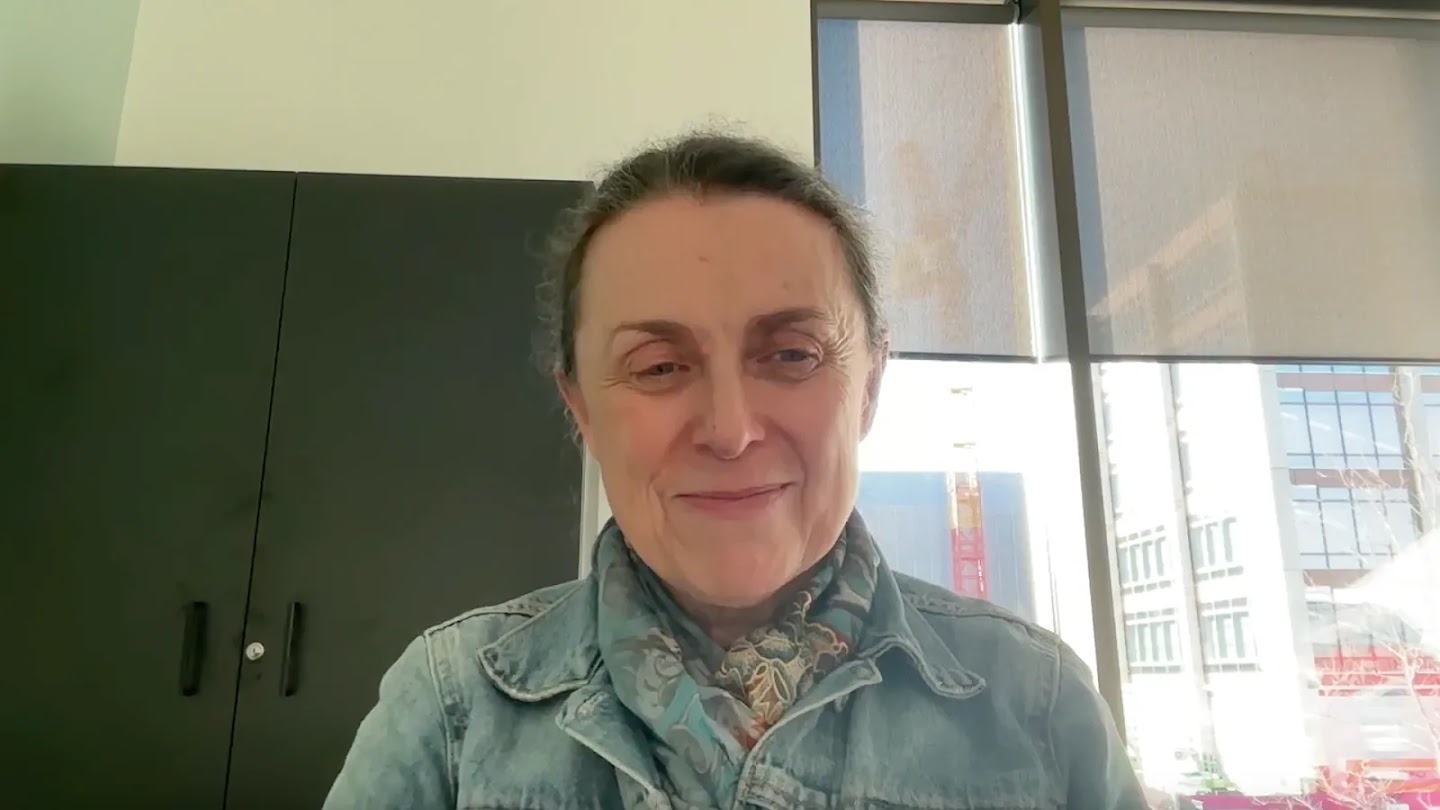
Most emerging infectious diseases are caused by pathogens jumping from animals to humans, as with Ebola, HIV, influenza, and COVID-19. Professor Clare Bryant of the University of Cambridge is using Co-Scientist to look for the molecular switches that cause pathogens to trigger severe diseases such as sepsis in the human body after crossing species barriers, and to explore new ways of preventing that from happening.
When Bryant first tried Co-Scientist, she entered a summary of a grant application for a project on influenza research in birds and humans, along with an overview of the problems her lab was working on. The tool then generated and prioritized a set of promising hypotheses. Some matched ideas she had already considered; others were completely unexpected. The less familiar the idea, the more insightful it turned out to be.
After the project was approved, Bryant entered a more detailed plan as well. Later, while reviewing the results on a train to Brussels, she exclaimed, “Aha!” Co-Scientist had prioritized a protein she had not been focusing on. That protein was linked to several signaling pathways she was already interested in. For the next week, she could hardly wait to get additional data.
Back in the lab, she added some unpublished material, which remained confidential within Co-Scientist. With each round of interaction, the hypotheses became more refined, narrowing from candidate proteins to specific amino acids that the lab should ultimately investigate in depth.
Bryant’s team is now creating cell lines with these amino acid mutations and testing the more refined hypotheses. According to her, reaching the point of identifying the exact amino acids would normally take two to three years of experimental work. But if the collaboration with Co-Scientist is truly guiding them to the right target, her lab may now get there within six months.
Co-Scientist brings together all the published literature and online resources and helps me ask better questions. It picks up on things that are easy to miss in data-rich fields and also helps with prioritization, so my team can focus on the questions we really need to answer in the lab.
Professor Clare Bryant,
University of Cambridge
Related Articles
Co-Scientist: A Multi-Agent AI Partner Accelerating Research
May 2026 Science
Discovering Reusable Drugs to Combat Liver Fibrosis
May 2026 Science
Opening New Paths for ALS with an Integrated Biological Toolkit
May 2026 Science
Accelerating Mechanistic Insights into Liver Disease
May 2026 Science
Opening New Paths in Aging Research
May 2026 Science
Rapidly Advancing Genetic Leads to Reverse Cellular Aging
May 2026 Science