May 19, 2026 Science
Accelerating the Elucidation of Liver Disease Mechanisms
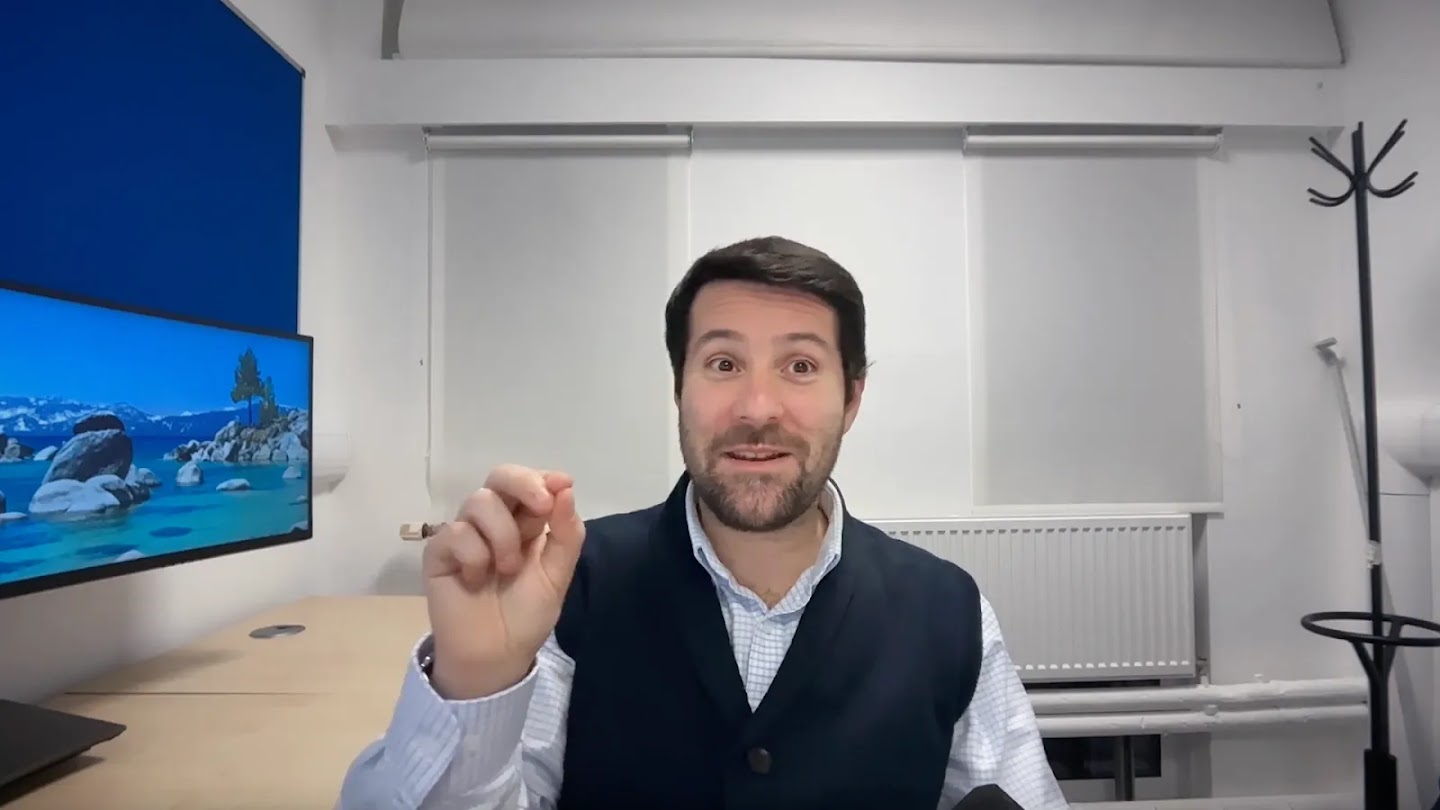
Biomedical research generates an enormous amount of information, and no scientist can truly absorb all of it. Filippo Menolascina, a bioengineer at the University of Edinburgh, uses Co-Scientist to organize the literature, uncover overlooked connections, and generate new hypotheses.
His team is focused on a common liver disease called metabolic dysfunction-associated steatohepatitis (MASH). Because MASH involves intertwined biological processes such as liver inflammation and metabolism, developing treatments is no easy task. In other words, single-target drugs often cannot address it adequately. Researchers have therefore turned to combination therapies, but the number of possible drug combinations is overwhelming.
To tackle this combinatorial explosion, Menolascina used Co-Scientist to narrow the search. In his hands, Co-Scientist synthesized evidence on liver biology and pharmacology, highlighted mechanisms worth investigating, and proposed combination therapy candidates that his team could test.
In a representative case, Co-Scientist solved a real-world practical problem: why resmetirom, a recently approved therapy for patients with a specific stage of MASH, helps only a small fraction of eligible patients. The system put forward a hypothesis pointing to the NLRP3 inflammasome as a specific molecular bridge linking inflammation and metabolism, something that had not previously been integrated into a single practical explanation. That hypothesis was then validated experimentally, opening the door to targeted two-drug combination therapies.
Co-Scientist is like a booster rocket for scientists, strengthening our ability to identify promising mechanisms. I think we are at the threshold of a scientific revolution that will dramatically shorten the trial-and-error cycles needed to achieve breakthrough results
Professor Filippo Menolascina
University of Edinburgh
Related Articles
Co-Scientist: A Multi-Agent AI Partner That Accelerates Research
May 2026 Science
Discovering Reusable Drugs to Combat Liver Fibrosis
May 2026 Science
Integrating the Biology Toolkit to Explore New Treatments for ALS
May 2026 Science
Pioneering New Paths in Aging Research
May 2026 Science
Probing the Molecular Switches Behind Emerging Infectious Diseases
May 2026 Science
Accelerating the Search for Genetic Clues to Reverse Cellular Senescence
May 2026 Science