
Well, MiniMax has officially cracked the code on multimodal AI 😭.
Following the widespread acclaim for their open-source flagship video model H3, their latest image model—H3-Image—is taking the internet by storm all over again.
The biggest viral trend right now is “CAD teardown”: just drop in a reference image, and H3-Image will literally unbox and disassemble your collectible figurine right before your eyes…
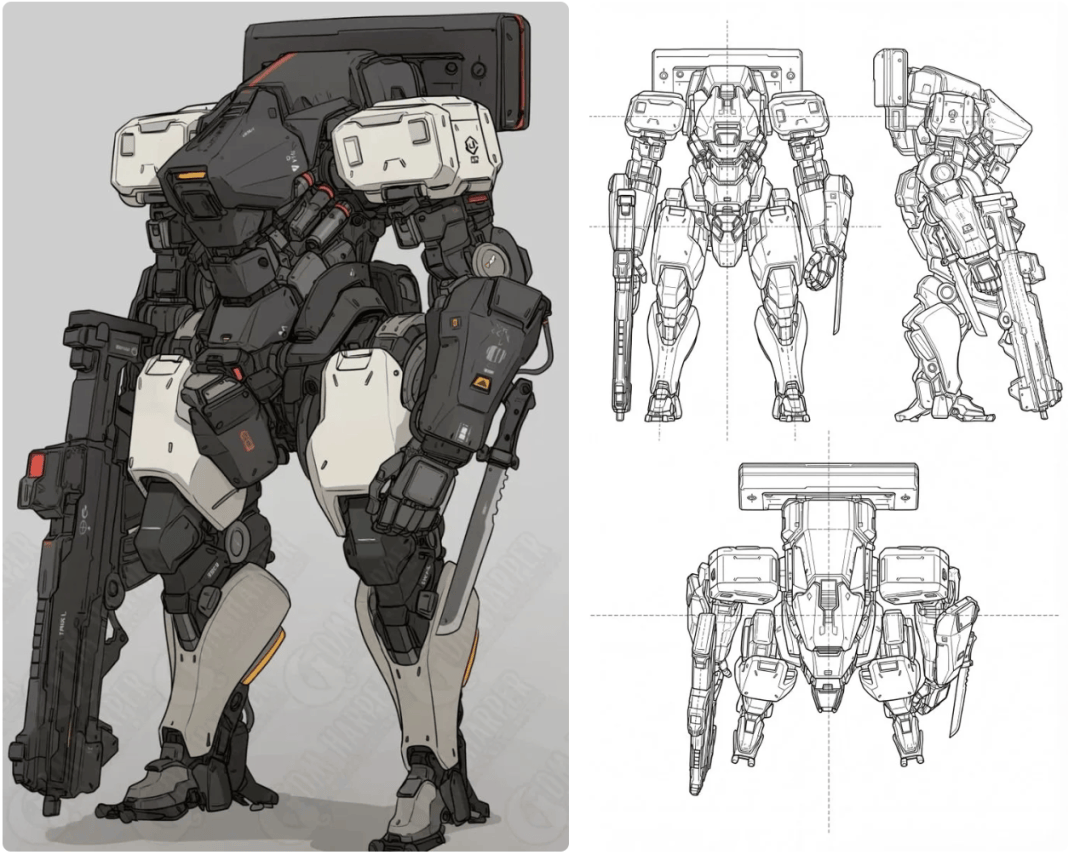
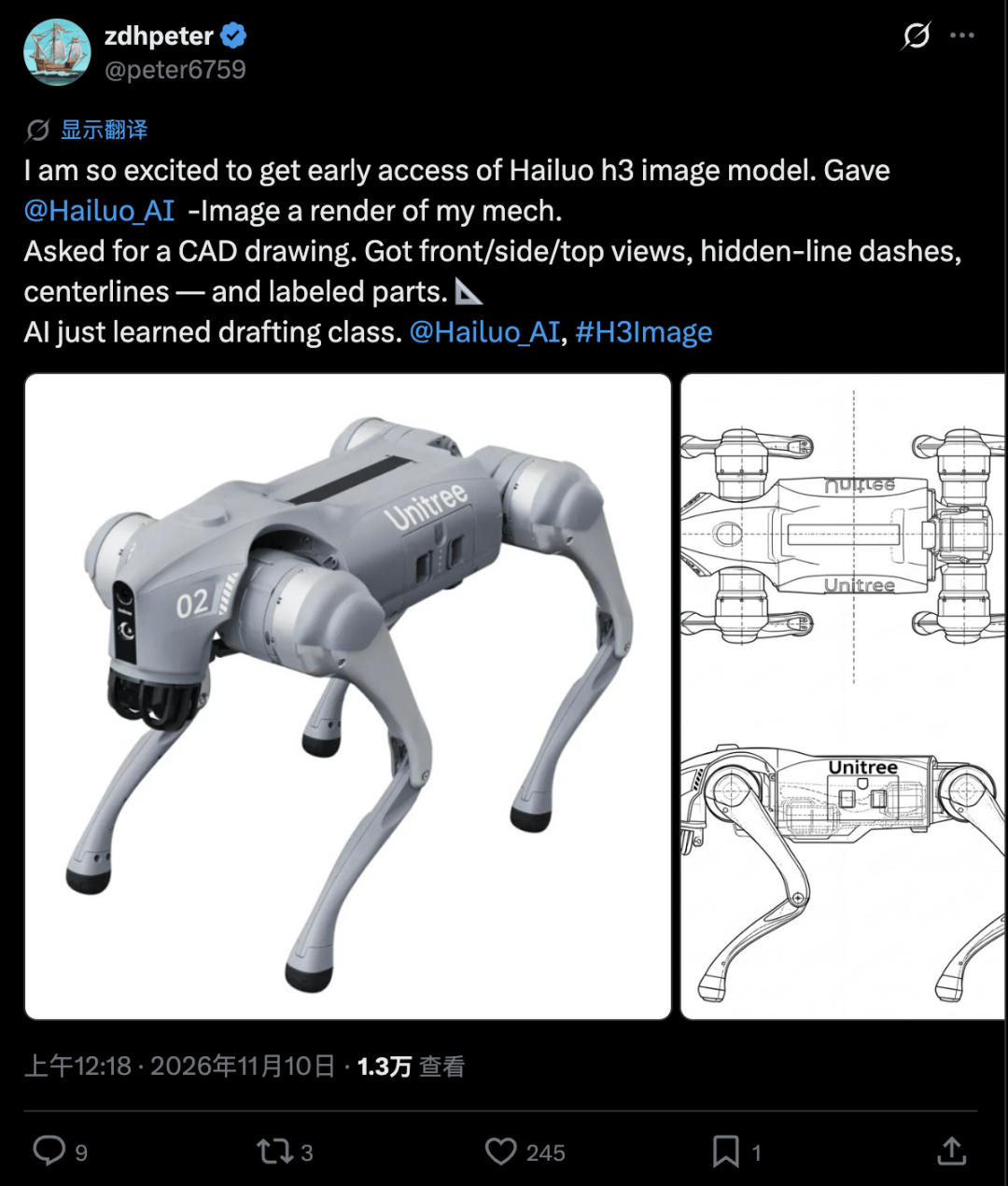
People are even doing CAD teardowns of the Unitree robot dog.
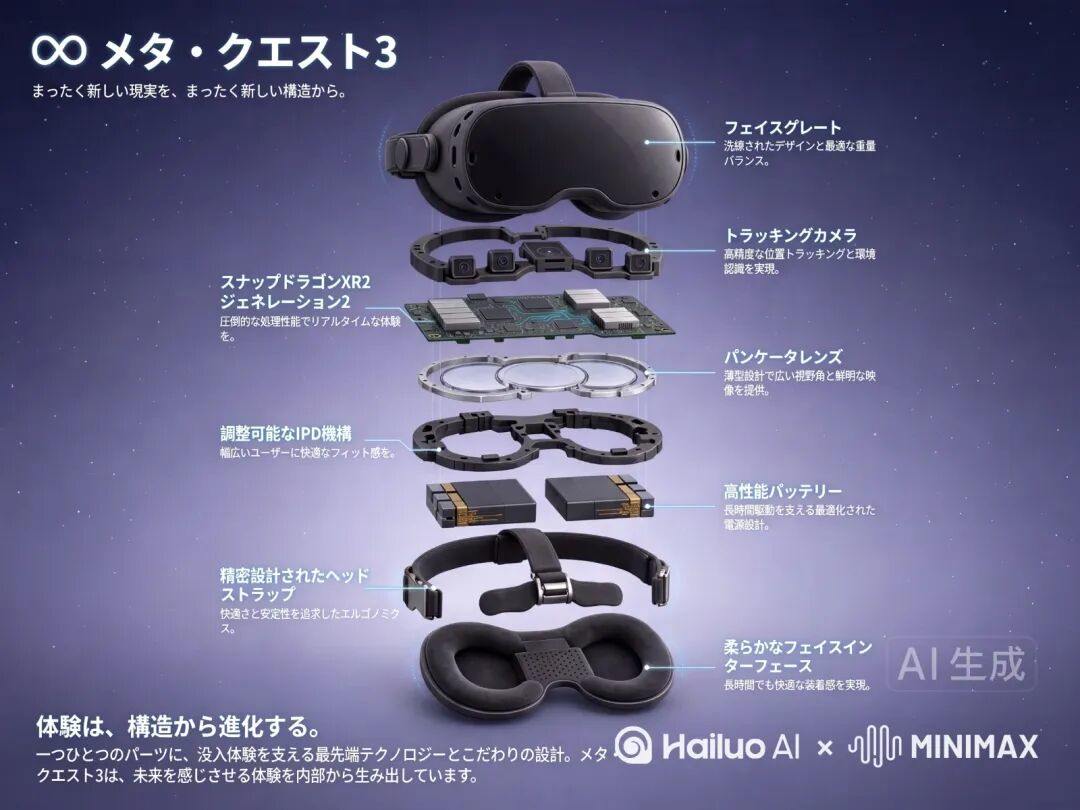
Basically, anything can be broken down into an exploded view, with every single part neatly labeled.
I took it for a spin myself, and I have to say, it really lives up to the hype…
Beyond that, judging from tests by international users, it effortlessly handles other complex image generation tasks too, such as—gaming.
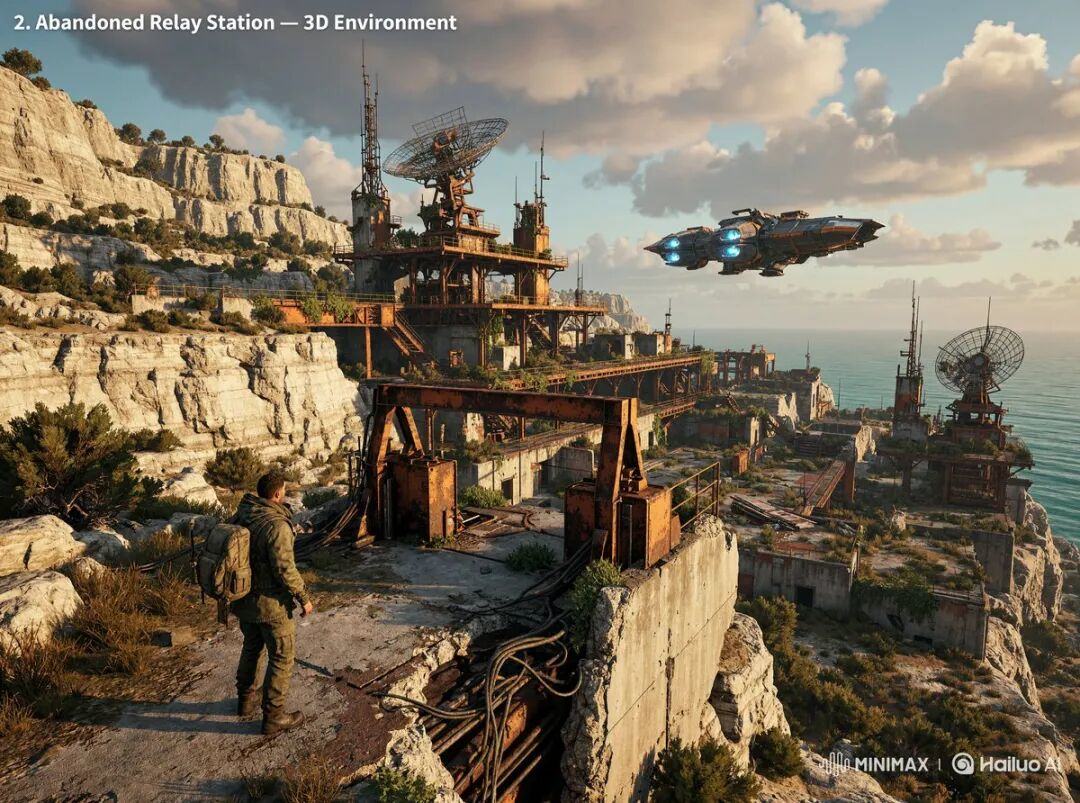
Wait a minute… if you hadn’t told me, I would have sworn this was coded using GPT 😭.
And if you just need simple assets for e-commerce, it’s an absolute breeze.
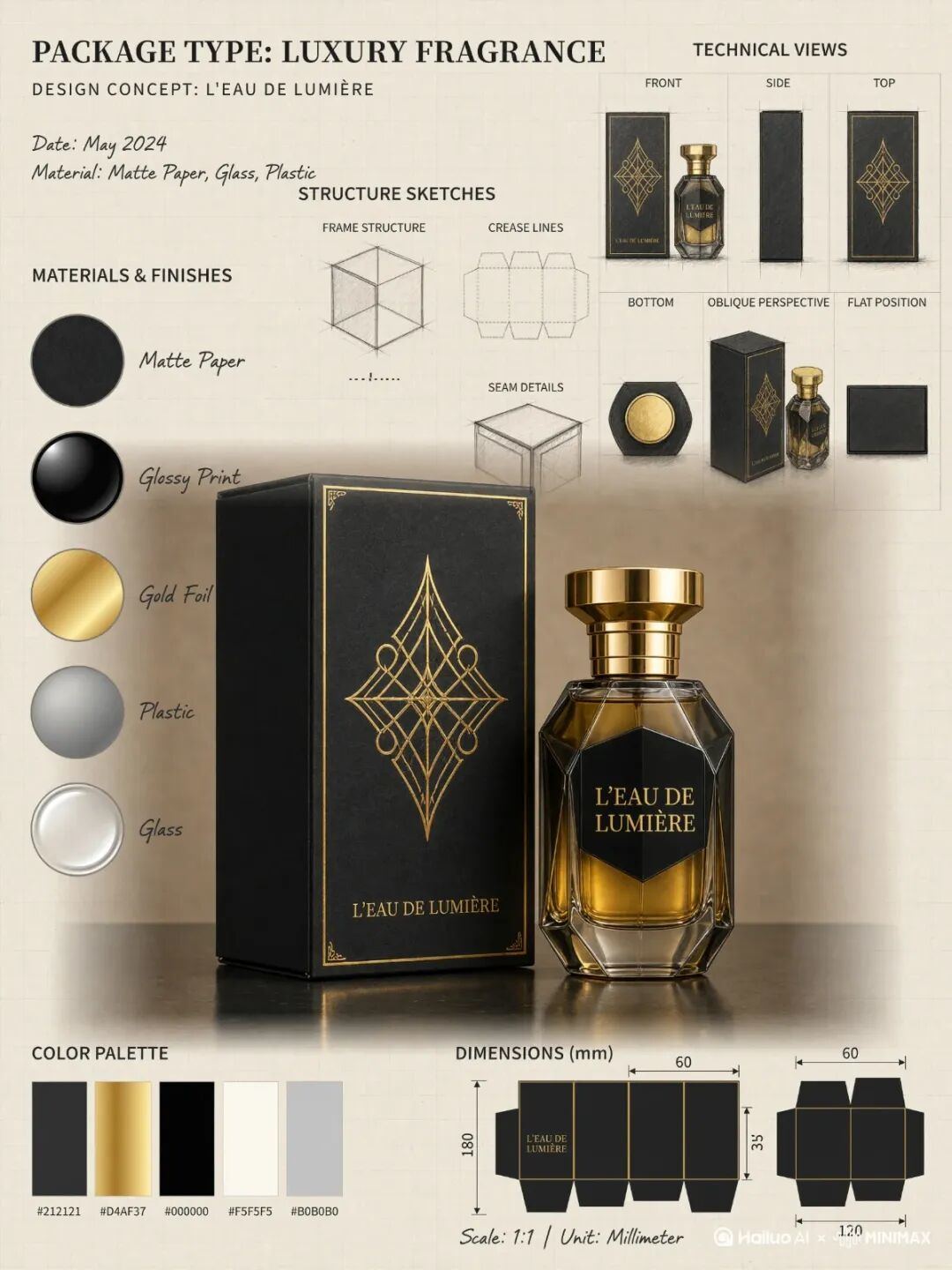
What I didn’t expect, though, is that this thing excels at both logic and art.
While keeping its intelligence sharp, H3-Image also has a seriously impressive aesthetic sense.
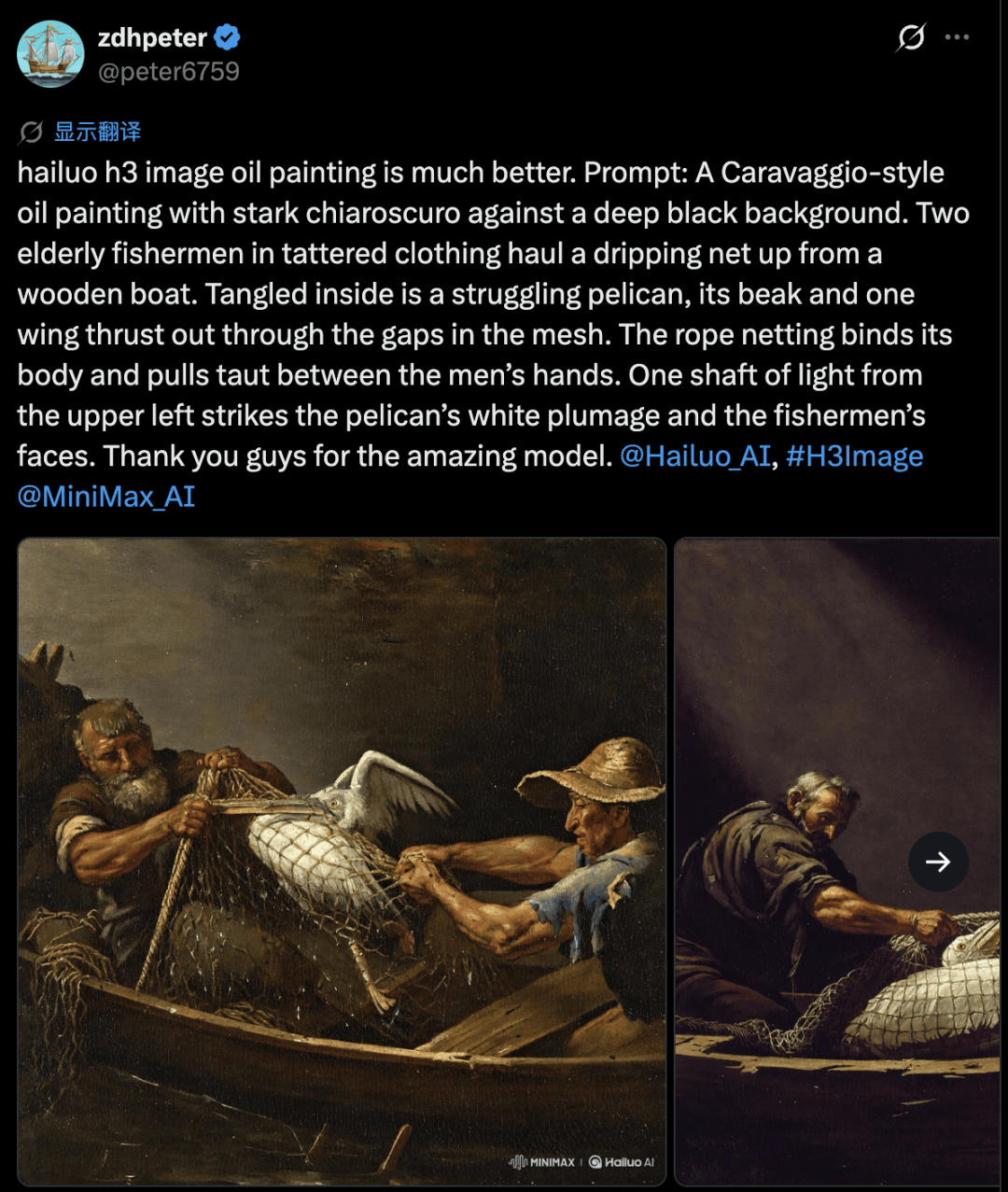
Oh, and one more thing.
An image generation model of this caliber, and you’re telling me it’s open-source???
What more is there to say?
I hereby declare MiniMax the “Open-Source God” of the multimodal world (just kidding… mostly).
Goodbye to “Plastic” Aesthetics
In the past, the first thing that came to mind when we thought of AI-generated images was: greasy faces, skin as smooth as a peeled hard-boiled egg, dead eyes, and a heavy uncanny valley vibe.
In short, it reeked of that unmistakable “AI look.”
GPT Image 2 made huge strides in this area, but after using it for a while, that uncanny valley feeling still creeps back in.
With H3-Image, however, I feel like this problem is pretty much solved.
I was stunned after generating my first batch: Bro, how is anyone supposed to tell this is AI??
The most impressive part is the human face—pores, freckles, and even peach fuzz are rendered in detail.
On top of that, details like water stains and dust on a mirror, or the lens flare from a camera flash, are handled so realistically that it looks just like a photo you’d scroll past on Instagram or Xiaohongshu.
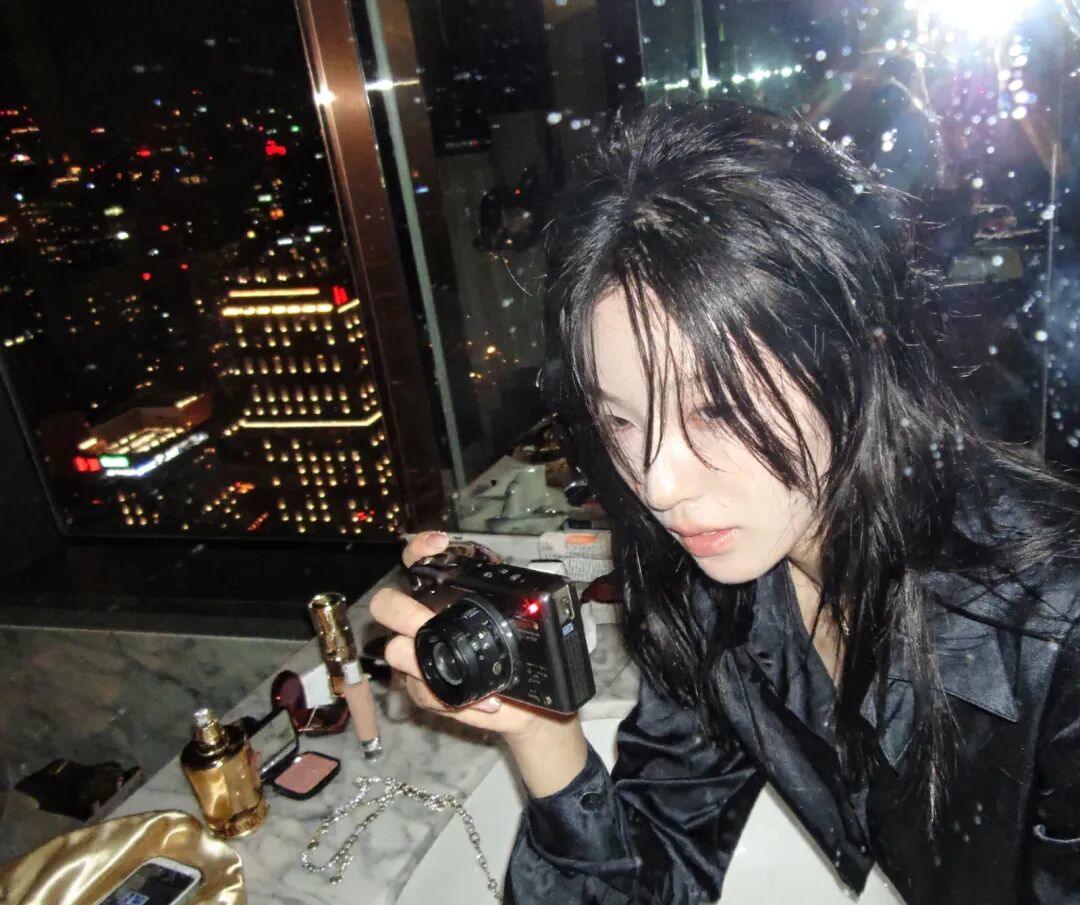
Even from a low-angle shot, it captures a ton of facial detail. Take this fashion magazine cover with a “desktop as an Instagram feed” concept below—if you look closely at the subject’s eyes and the subtle pull of their facial muscles, it aligns perfectly with real-world social cues.

This was my biggest takeaway while testing H3-Image: for many prompts I had previously run on older models, H3-Image delivered completely fresh interpretations.
Its world knowledge is genuinely rich.
As for subjects other than human faces, it nails them effortlessly.
For example, turning the city landmarks of Rio de Janeiro into a 3D papercraft-style travel journal.
The miniature landscape and the depth of light and shadow really give off Fable 5 trailer vibes.
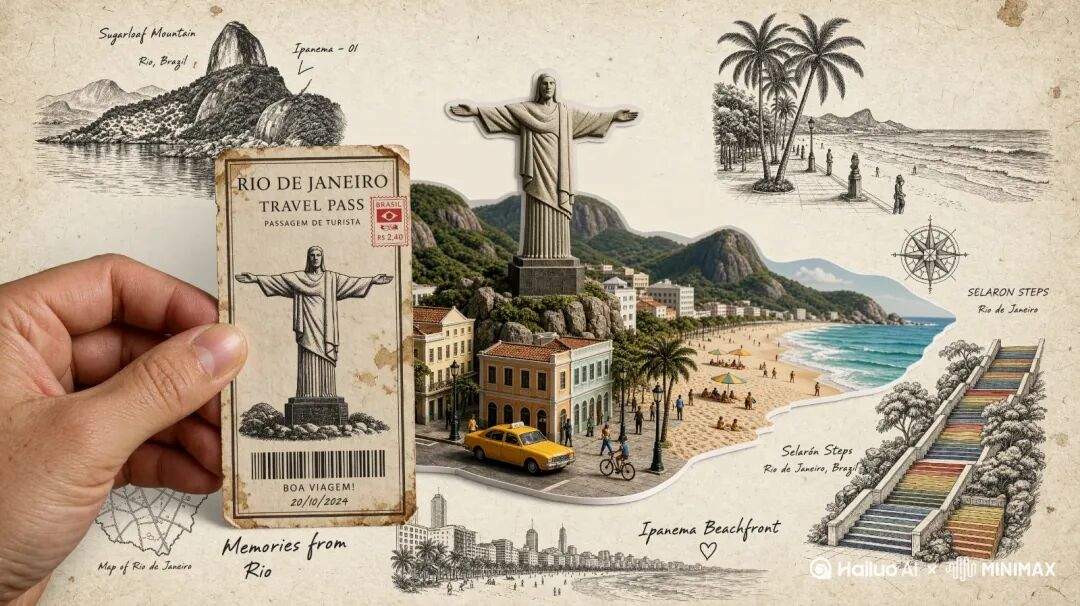
And the attention to detail is mind-blowing!
Look at the hand in the bottom left corner—see that? It actually added a few moles near the thumb joint!!
Even if you zoom in, it doesn’t give itself away. The skin texture on the fingers, the creases on the knuckles, and even the natural sheen and texture around the edges of the fingernails are reproduced with crystal clarity.

Fascinating.
I think the reason H3-Image has so little of that “AI look” comes down largely to these deliberate “imperfections.”
Any work created subjectively by humans is bound to be filled with randomness; striving for absolute perfection actually goes against how the human brain is wired to process information.
At the same time, though, this gives me the chills a little.
I used to stubbornly believe that aesthetics wasn’t something a machine could learn.
Looking at it now, it seems that once you figure out the underlying tricks, many of the traits humans pride themselves on might not be so mysterious after all…
Let me show you one more demo. I whipped up a French travel poster using H3-Image.
How do I put this… I barely feel qualified to critique it. My own artistic literacy is completely out of its depth here.
Sigh.

SOTA-Level Intelligence
Let’s move on to tasks I can actually wrap my head around.
When it comes to multimodal models, I’ve always had two criteria: aesthetic quotient (AQ) and intelligence quotient (IQ).
AQ is what we just tested above—it’s pretty abstract, so we can only really talk about subjective impressions.
IQ, on the other hand, is something we can really sink our teeth into.
For instance, H3-Image has a very special skill in its tech tree: world understanding.
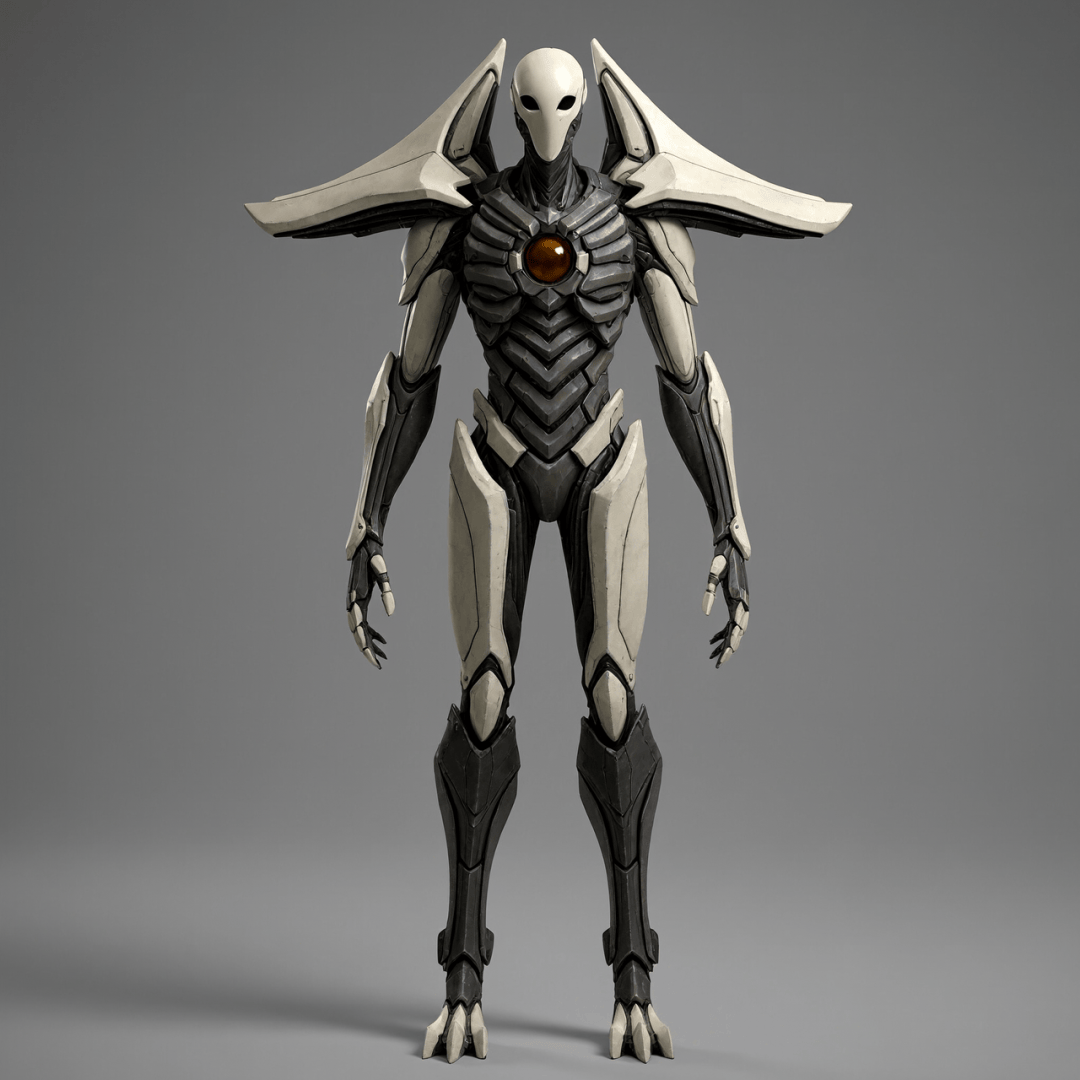
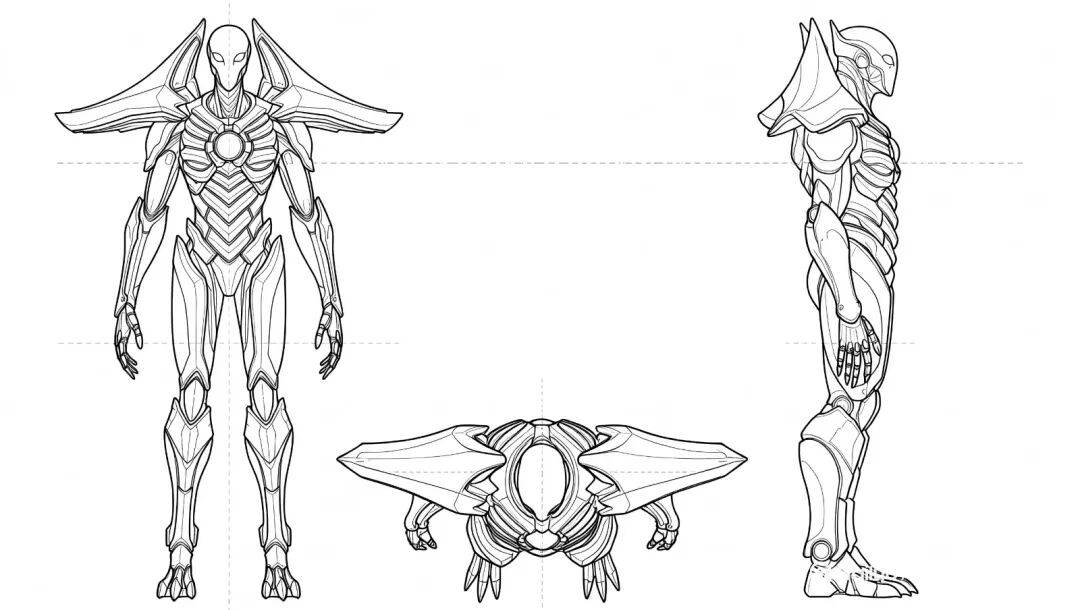
You can use it to directly generate CAD drawings.
Yes, just feed it an exterior photo of a product, and it can automatically deduce standard orthographic three-view drawings—
Front view, side view, top view—not a single one missing.
Folks, my jaw is on the floor 😭😭.
And it doesn’t stop there.
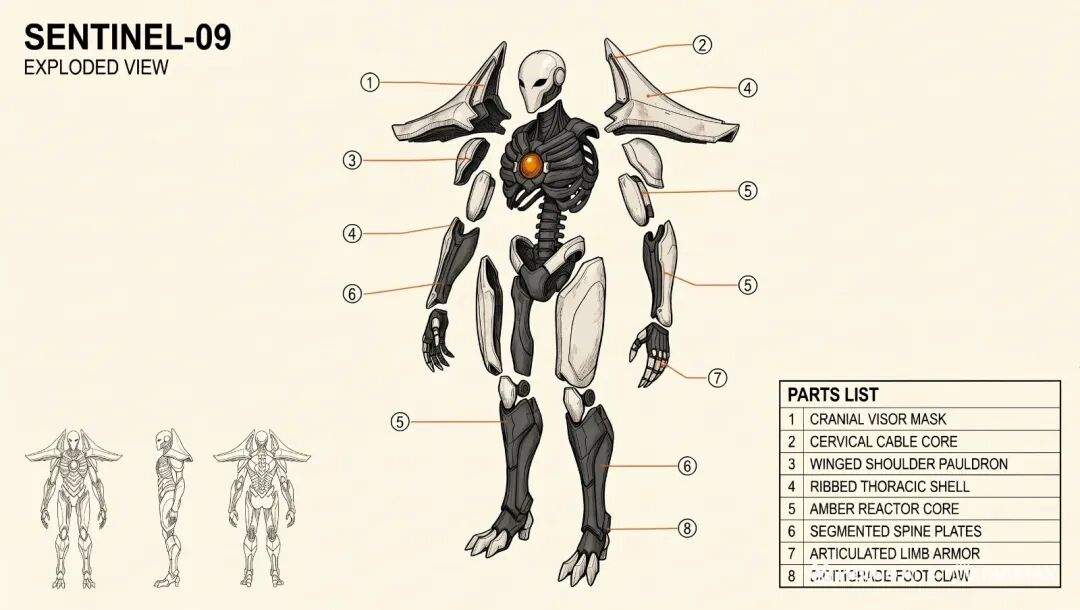
Beyond CAD drawings, you can also ask the model to “explode” the object.
Ask H3-Image to draw an exploded mechanical teardown view, and it will precisely follow mechanical assembly logic, laying out the parts in clear layers and even adding leader lines to label the components.
Behind the scenes, this undoubtedly requires a deep understanding of 3D geometry and spatial relationships.
Of course, for images with such distinct functional purposes, instruction-following ability is also crucial. Simply “drawing” it isn’t actually the hard part—what this really tests is the model’s planning and reasoning capabilities.
Otherwise, it wouldn’t have a clue what the user’s massive wall of prompt text is actually asking for.
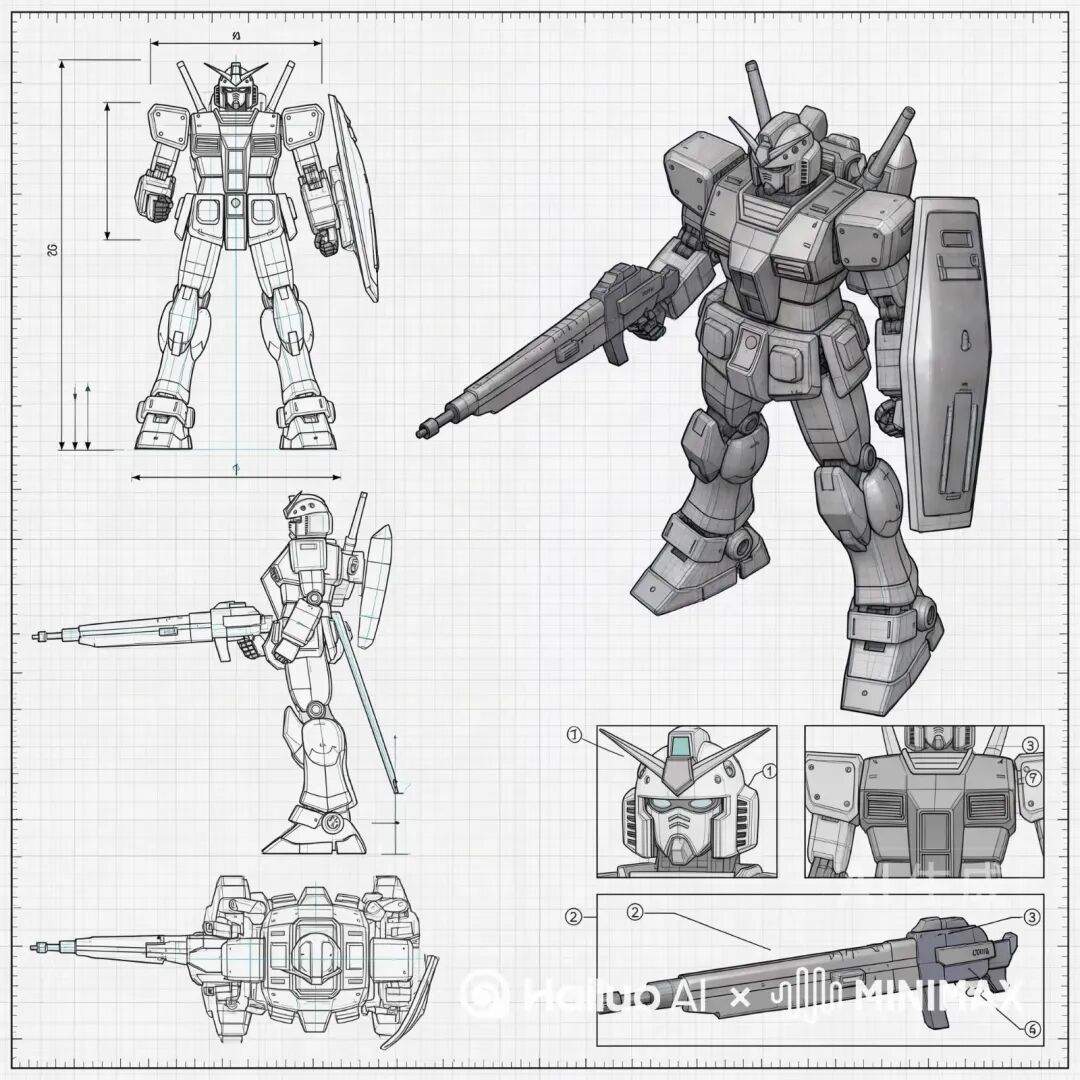
Naturally, if you want to break into serious productivity workflows, the bar has to be set very high, because commercial use cases demand accurate information delivery.
So alongside spatial understanding, text typography is another critical dimension.
With that in mind, I decided to try this—
I generated a Calculus final exam paper.
It popped out in just over ten seconds.
Limit symbols, complex integrals… Despite this high-density academic typesetting, not a single character was garbled.
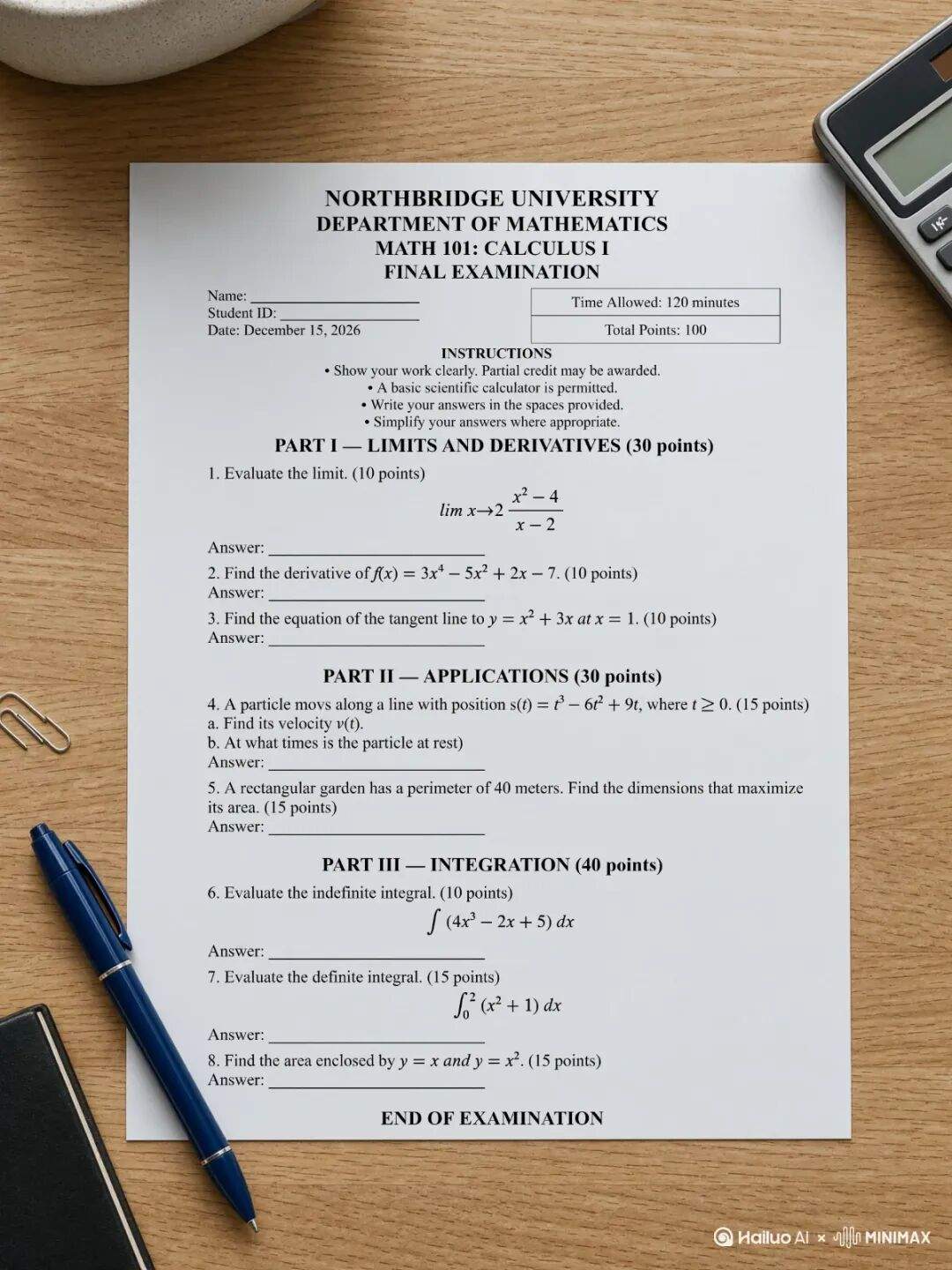
Thinking that was probably still too easy, I came up with a stroke-of-genius prompt:
Complete this exam paper.
When I opened the result, I was completely floored—
What do you mean an image generation model is better at calculus than I am???
Drawing upon my own barely-passing college calculus knowledge, I skimmed through it and realized the answers were actually correct—and it even showed the step-by-step solutions!??
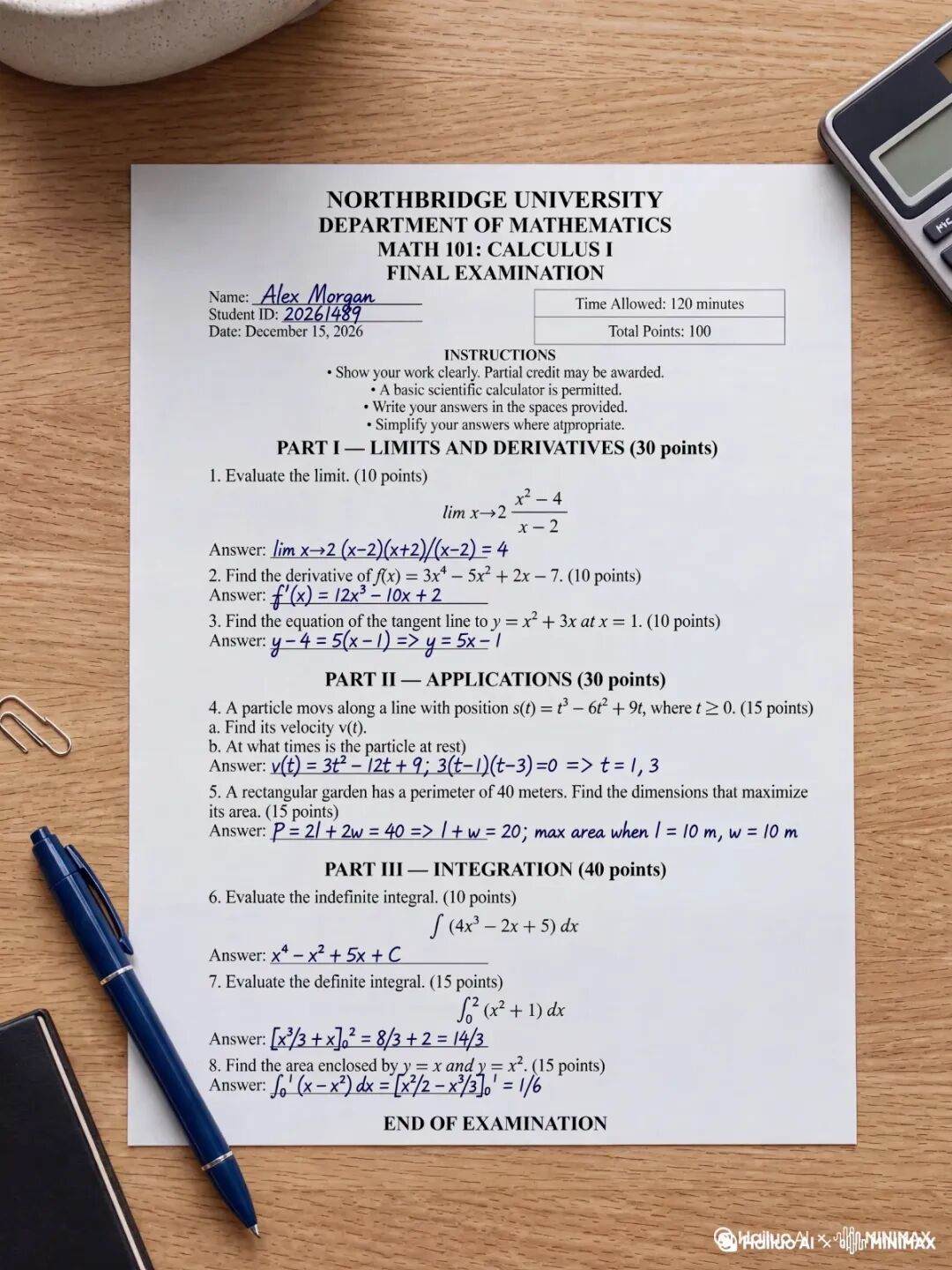
I was rendered completely speechless.
Of course, returning to its bread and butter, we can’t leave out asset generation.
Isn’t “Coding eats the world” the trendy narrative right now? Astra is disrupting 3D, Opus 5.5 is disrupting video.
But I’ve always felt that a lot of that is just marketing spin. For tasks that have nothing whatsoever to do with text, why should I force a text model to do them?
It’s just that the pure-text domain happens to have more resources and faster development right now.
Reasoning from first principles, I still have much more faith in the vertical model route. Training specialized models for each domain not only raises the ceiling higher, but keeps costs much more realistic.
Moreover, a vertical model like H3-Image is a born specialist. This doesn’t conflict with general-purpose models at all; in fact, it’s ideally suited to be plugged into a harness, allowing an Agent to invoke it directly via Tool Call.
This is a trend that has started to emerge recently: you don’t necessarily need a single model to brute-force everything. Using a general-purpose model to orchestrate various vertical models actually yields much higher overall utility.
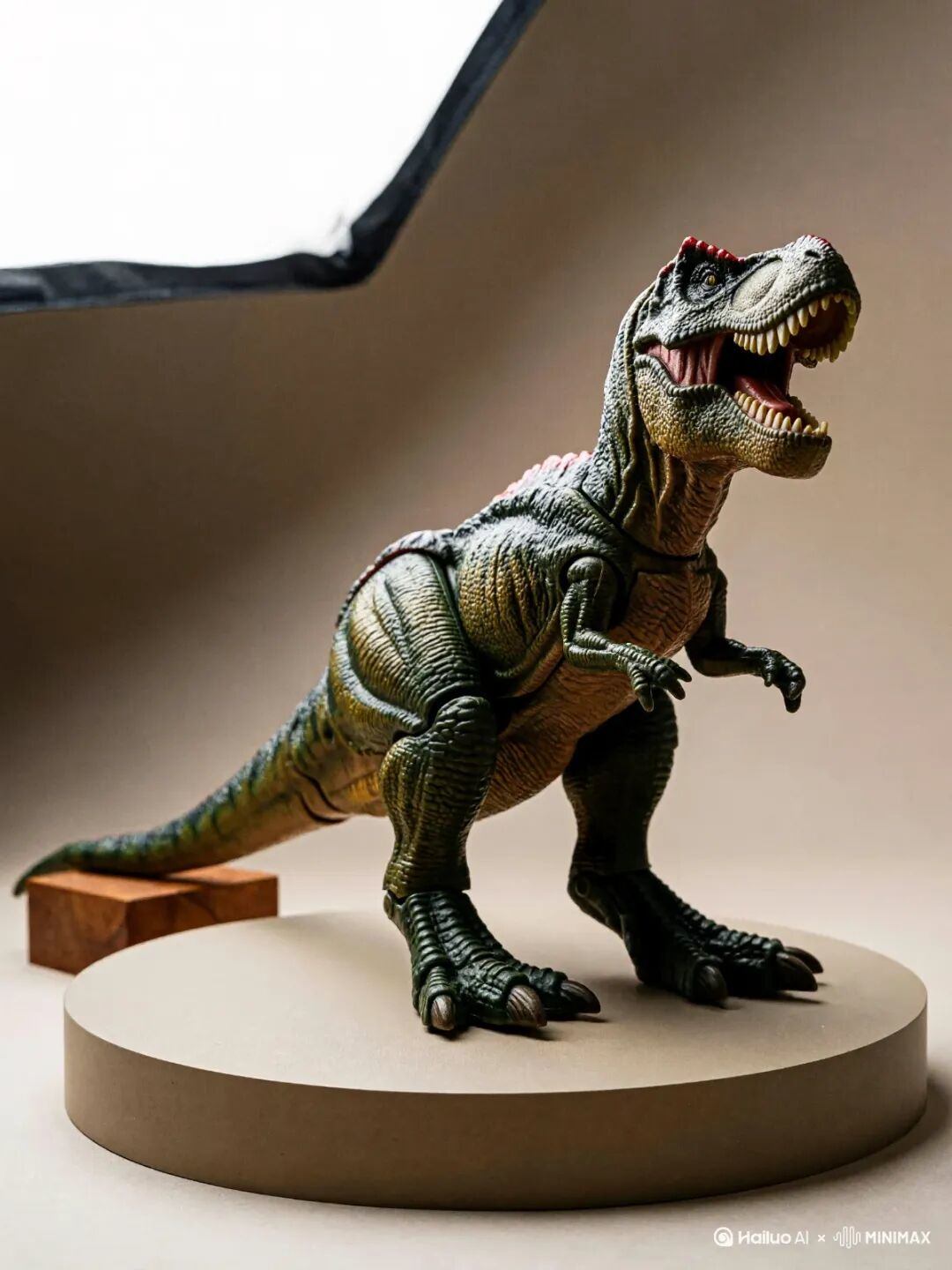
If you’re just generating display assets (like the dinosaur toy below), a vertical image model is clearly the superior solution—there’s no need to jump through hoops with Computer Use.
After all, for today’s image models, basic physical common sense like lighting, shadows, and geometry is no longer an issue.
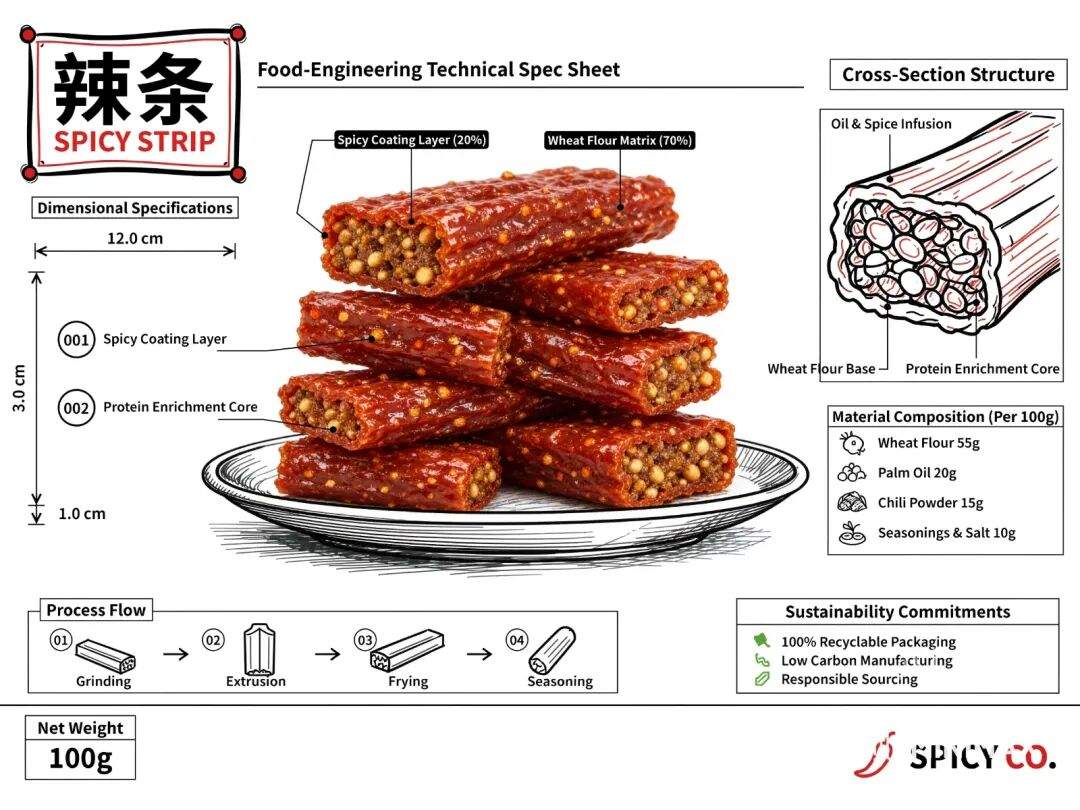
Generating things like snack packaging is a piece of cake too. Watch how I take Chinese spicy strips (Latiao) global.
It can even generate 3D gameplay screens—the tables have officially turned 😭.
Feed it a long text prompt of tactical instructions—cover, suppressive fire, flanking maneuvers—and it will immediately construct a 3D combat scene with realistic depth and logical occlusion.
It strictly adheres to gaming terminology, and the generated results are practically ready to be dropped straight into concept art pipelines.
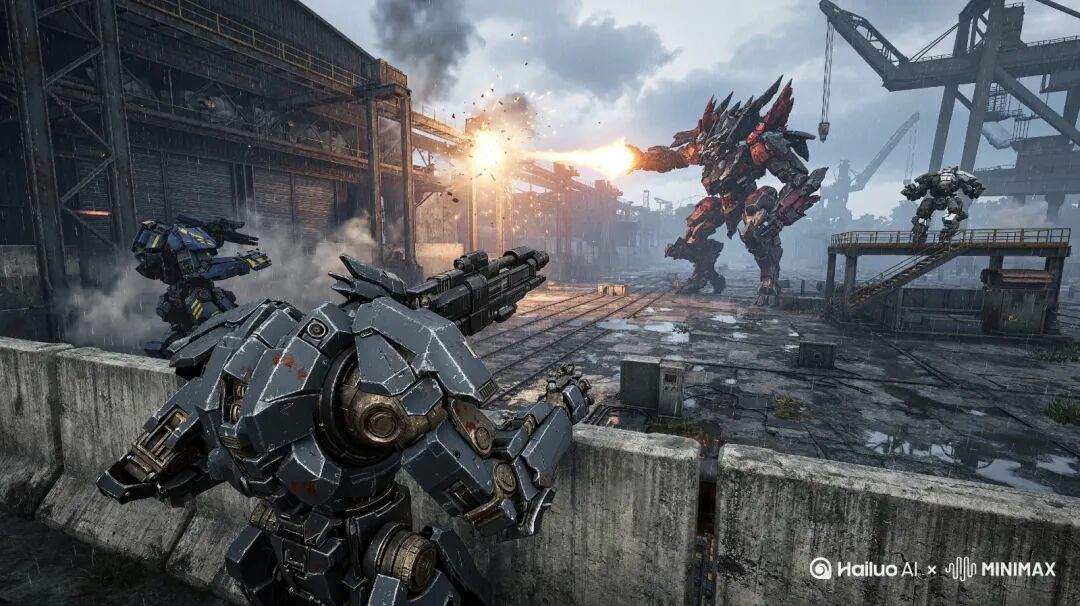
Why am I even waiting around for Astra Ultra? If we’re just looking at demos anyway, generating a few images gets the job done.
(Just kidding.)
The “Open-Source God” of Multimodal
That pretty much covers my testing. Beyond that, as a flagship image model, H3-Image also rolled out a few nice perks.
Most importantly, H3-Image cranked the resolution all the way up to 16MP (4096×4096 pixels)—which is native 4K.
I’m tearing up, folks. I finally don’t have to generate an image in GPT and then spend ages upscaling and tweaking it in Nano Banana 🥹.
Plus, the generation speed for 4K images is blazingly fast. For an image of this size, it felt like it took only 10–20 seconds on the web interface.
Though to be fair, who wouldn’t want to squeeze in a nice game of Snake while waiting for GPT to drag its feet? (Just kidding.)
Anyway, I digress.
Aside from that, H3-Image has another pretty special spec—
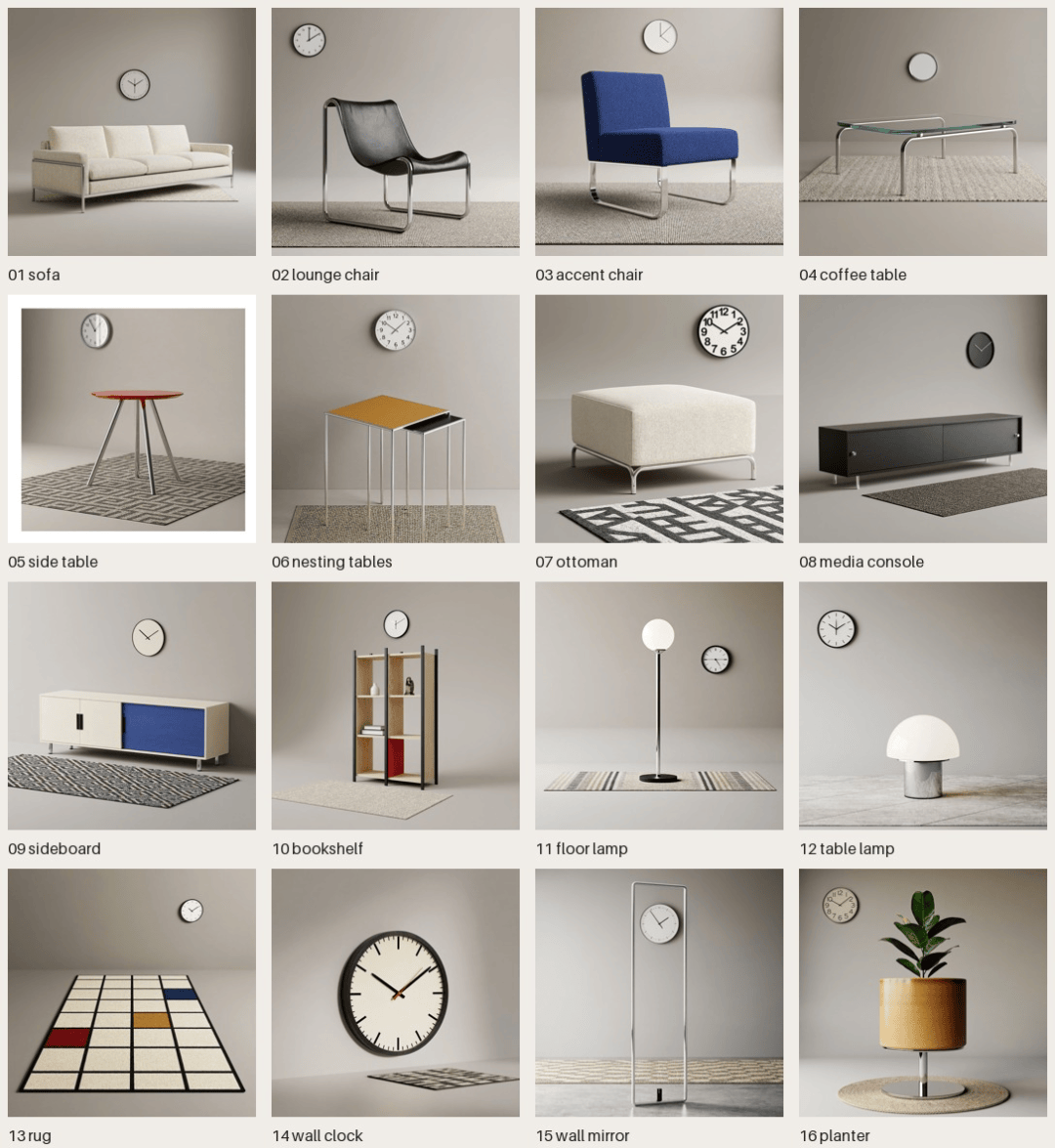
It supports an input of up to 16 reference images.
That’s maxed-out capacity, a true blessing for perfectionists, giving creators unprecedented freedom when it comes to character consistency and complex storyboard continuity.
Everyday创作 in 4K has truly arrived for the masses.
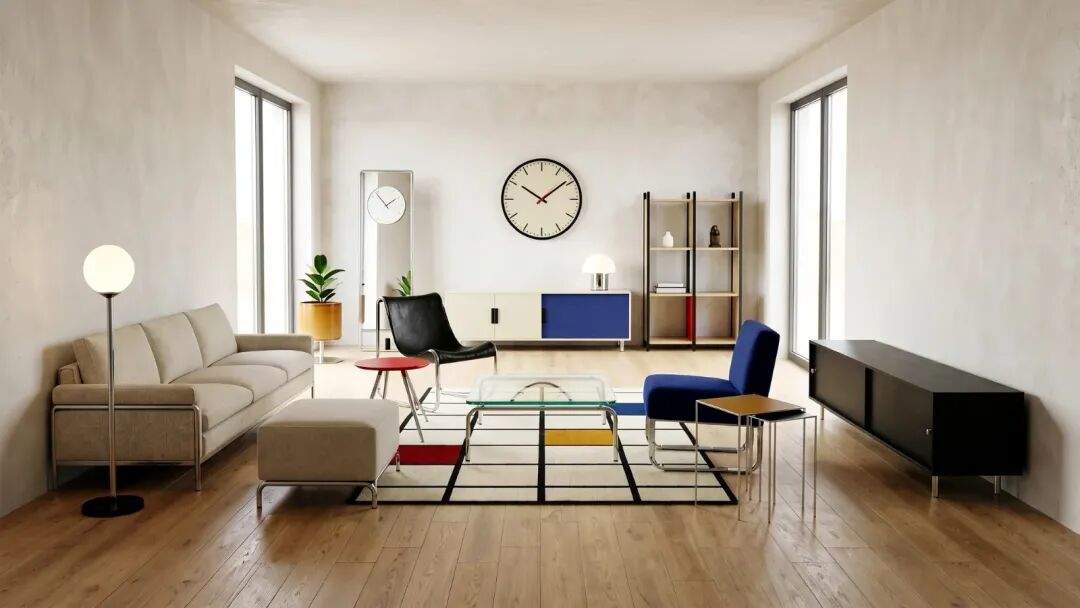
The result is that you can casually toss in a few reference images, take a sip of water…

And get interior design renders of this quality.
Who even needs Blender anymore 😭.
But what I never saw coming in a million years is—
H3-Image is actually open-source???
Following their previous open-sourcing of the SOTA video model H3, MiniMax has stepped up once again, gifting global developers another freely customizable SOTA foundation model.
The Open-Source God of multimodal, no further explanation needed.
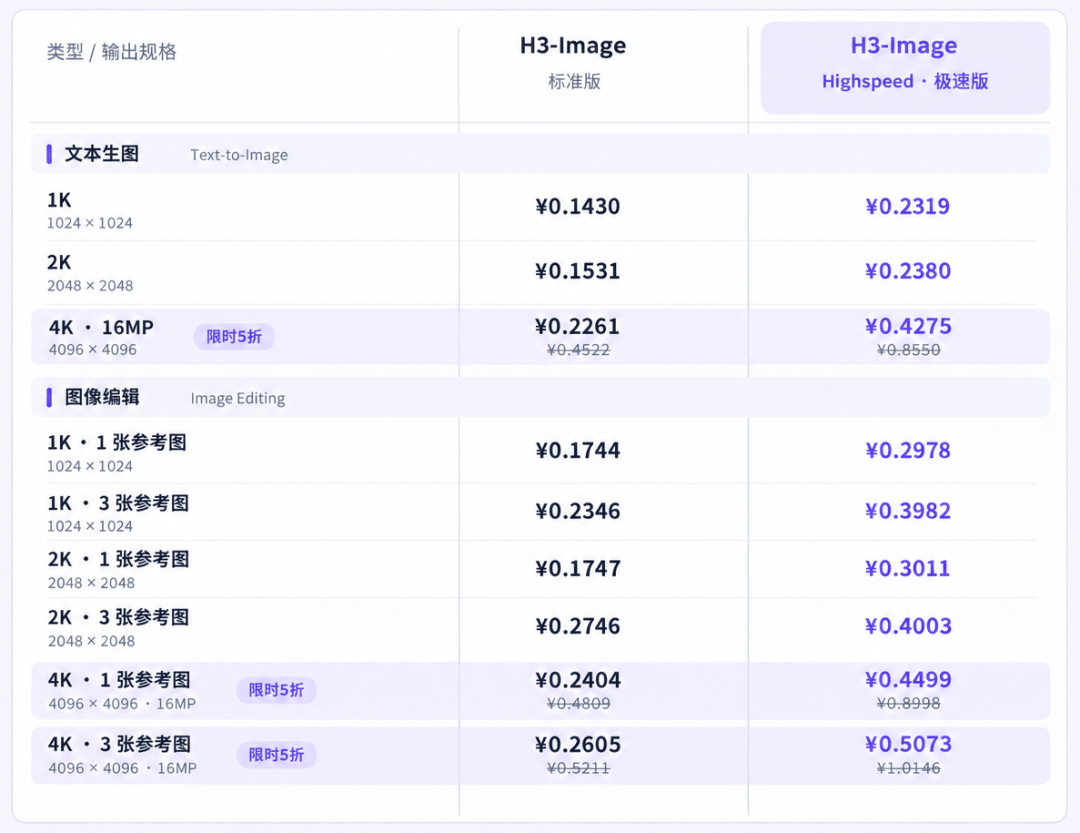
Of course, even if you don’t feel like messing with local deployment, its API pricing is dirt cheap.
It costs only 50% to 70% of mainstream competitors, and 16MP requests get an extra 50% off during the first week (let’s go, boys!!).
Testing up to this point, I suddenly got a hunch—
Multimodal generation might be approaching its own “Coding moment.”
In the past, AI image generation was often dismissed as a “toy” in commercial settings, mainly because the details couldn’t hold up to scrutiny and the plastic look was too strong—no client would ever sign off on it.
Today, however, H3-Image has achieved three things—
Eliminating the AI look, generalizable aesthetics, and rigorous logic.
When these conditions are met, the application market for multimodal AI will easily rival that of coding.
From high-precision industrial packaging design and commercial illustration to multilingual cross-border marketing collateral, the emergence of next-generation image models can drastically compress traditional workflow cycles.
Stack on the buffs we just mentioned: speed + open-source + low cost…
It’s almost unimaginable what kind of future this will usher in.
Finally, let’s bring our focus back to the current AI landscape.
While nearly all global AI companies have their eyes locked exclusively on pure text, MiniMax continues to dedicate a massive portion of its energy to the multimodal world.
This has been a defining trait of the company from the very beginning: betting on multimodal early on, and now finally witnessing the emergence of those capabilities.
Everyone says multimodal doesn’t matter for AGI, and that only Coding has a real business model…
But I’ve always felt that if our definition of AI only has room for text, that future would be way too boring.
From H3, which reshaped the video generation landscape, to H3-Image, which is now making across-the-board breakthroughs in logic, structure, and aesthetics.
The wildfire of Chinese open-source AI has officially begun to spread into the multimodal domain—
Unstoppable.