
The First to Commercialize Pours Cold Water on Its Own Tech
Jessica reporting from ROBO-Car
QbitAI ROBO | Official Account: AI4ROBO
Mercedes-Benz has poured cold water on Level 3 autonomous driving.
As the first automaker to bring Level 3 autonomous driving to public roads, Mercedes-Benz now has to admit: the technology arrived too early and is arguably less practical than many Level 2 driver-assist features.
Mercedes-Benz CTO Jörg Burzer recently reflected in public: “When you move too early, you end up having to chase after what customers actually want.”
Mercedes-Benz has backed up these words with concrete action.
The refreshed S-Class sedan launched this year completely dropped the once-vaunted Drive Pilot Level 3 autonomous driving system, pivoting instead to double down on Level 2 driver assistance.
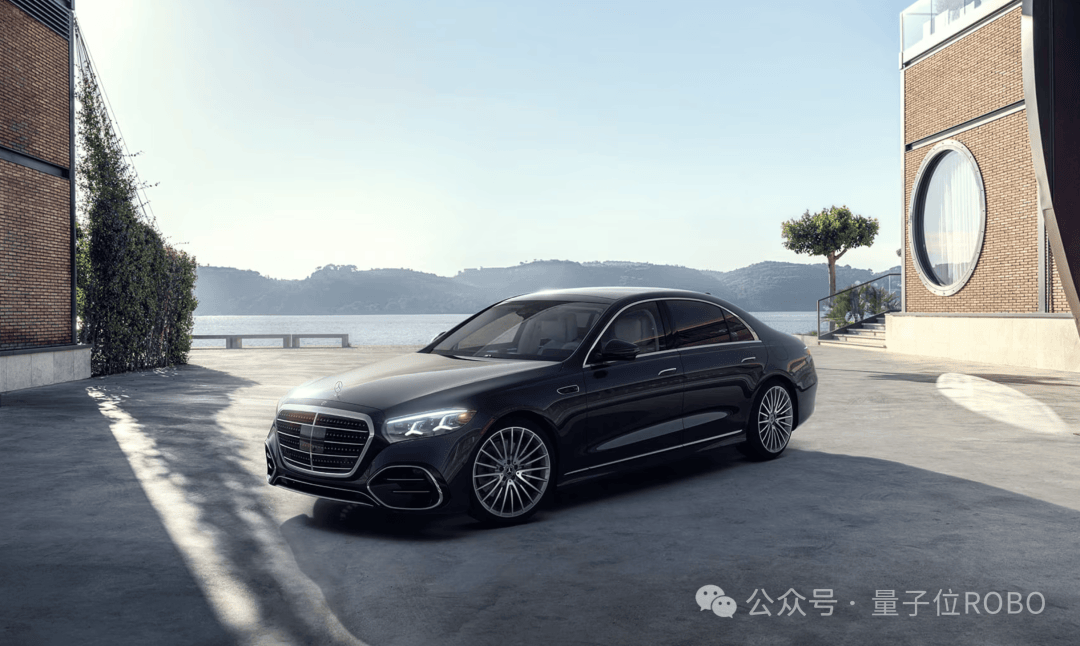
More than that, Mercedes even plans to bypass subsequent Level 3 iterations altogether, shifting its next-phase R&D focus entirely toward Level 4 autonomous driving.
Keep in mind that Mercedes-Benz was once the global pioneer in bringing Level 3 into production, heavily promoting the ability for “drivers to legally take their eyes off the road” as its core technological advantage.
Why are car owners turning their backs on a feature with an objectively higher technical rating?
A Global Level 3 Pioneer Beats a Retreat
In a recent interview with Road & Track, Mercedes-Benz CTO Jörg Burzer revealed the automaker’s shifting stance on its autonomous driving roadmap.
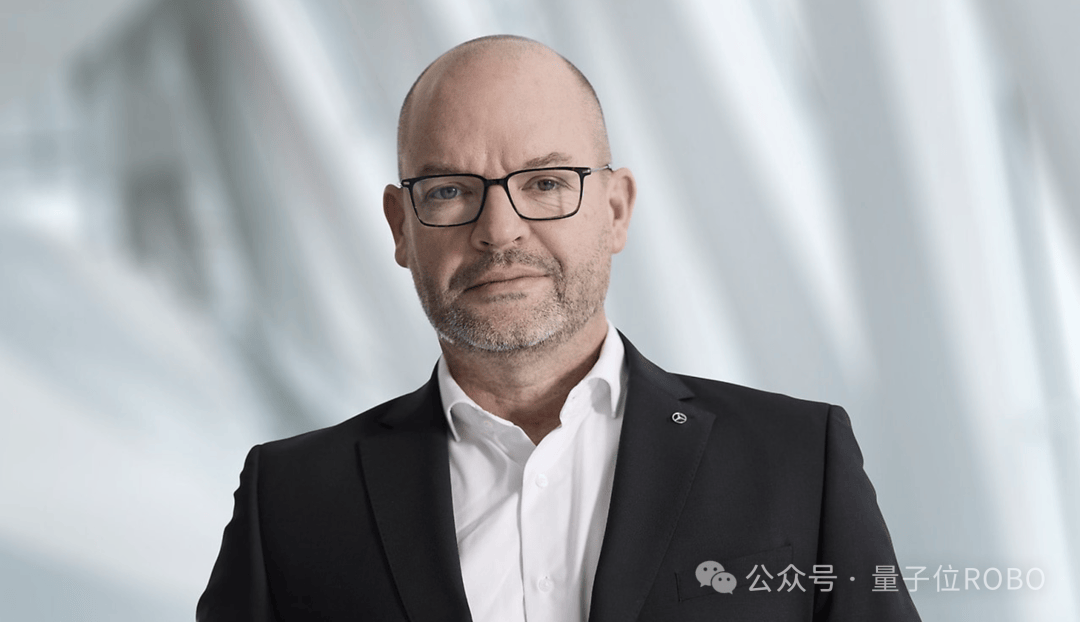
He noted that launching technology into the market prematurely often forces you to backtrack and re-evaluate what consumers actually need.
The biggest bottleneck lies in system availability.
Burzer explained that Mercedes later realized the Operational Design Domain (ODD) of the autonomous driving system had to be substantially expanded—not only supporting higher driving speeds, but also covering a far broader spectrum of real-world road scenarios.
What is the strategic path forward? The CTO laid out a clear direction:
Rather than pouring massive resources into refining the severely restricted operating scenarios of Level 3, the company will focus its efforts on perfecting Level 2 driver assistance while tackling Level 4 autonomous driving down the line.
Mercedes has decided to trickle down its accumulated engineering expertise—including sensor configurations and system redundancy designs—into Level 2 driver-assist systems.
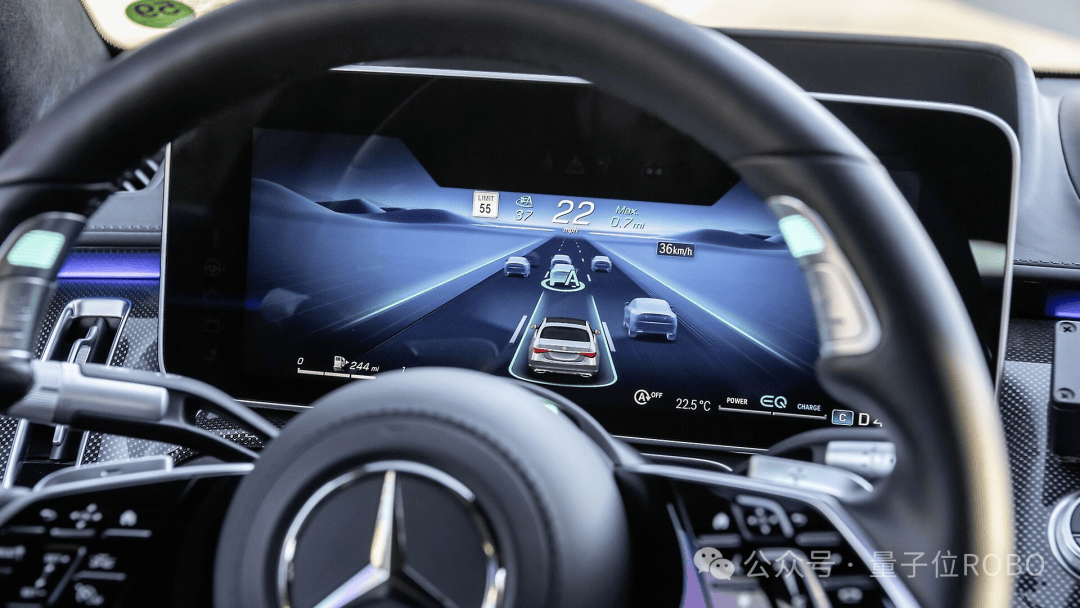
This sharp about-face is striking—after all, Mercedes-Benz had established a genuine first-mover advantage in the Level 3 arena.
Back in late 2021, Mercedes-Benz Drive Pilot received approval from the German Federal Motor Transport Authority (KBA), becoming one of the world’s first regulatory-certified production Level 3 systems.
By 2023, Mercedes became the first automaker approved to deploy Level 3 autonomous driving in the United States, rolling out Drive Pilot in limited quantities on flagship models like the S-Class and EQS.
Compared to traditional Level 2 systems, Drive Pilot’s primary breakthrough was that within strictly defined operational boundaries, drivers could legally take their eyes off the road without continuously monitoring the vehicle—achieving genuine “eyes-off” capability.
Watching videos or handling office work inside the cabin were key use cases featured prominently in Mercedes’ marketing campaigns.
Yet that was precisely where the problem lay: While legally permitted to take eyes off the road, the operational window where the system could actually be engaged was exceedingly narrow.
Taking the US-spec Drive Pilot as an example, regulatory constraints capped its top operating speed at 64 km/h (40 mph), and it could only be activated on designated highway corridors under clear weather and optimal lighting conditions.
In other words, this Level 3 system was effectively confined to low-speed highway traffic jams. The moment traffic cleared and speeds picked up, the system mandated that the driver take over immediately.
Even though Mercedes continued iterating on the technology—securing approval in Germany by late 2024 to raise the operational limit to 95 km/h—the system remained shackled by rigorous road and environmental constraints.
At the same time, this system carried a hefty price tag: Drive Pilot started at €5,950 in Germany, equivalent to over 40,000 RMB.
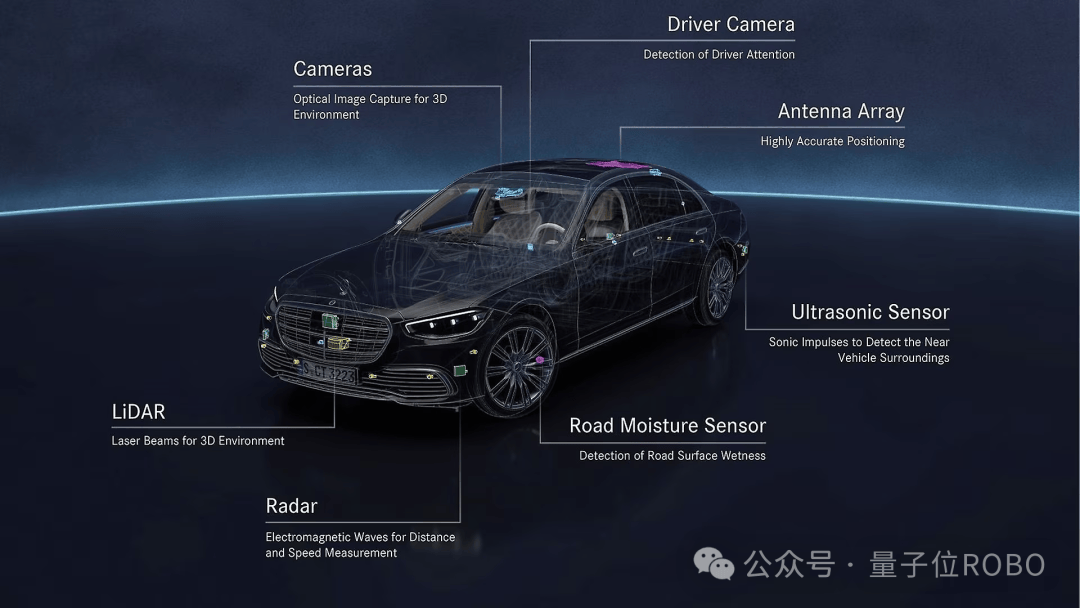
To enable autonomous driving in such narrow scenarios, the automaker had to pack the car with LiDAR, dual-redundant braking and steering, high-definition maps, and undergo grueling safety certifications. Yet the amount of time consumers actually got to use the feature on a daily basis was hopelessly disproportionate to its steep price.
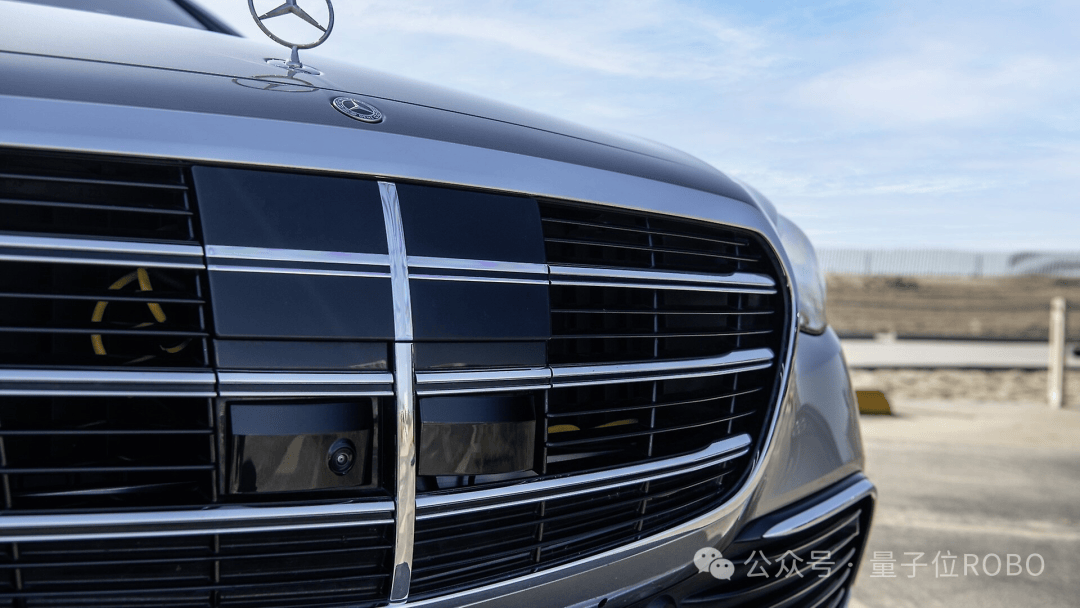
For Mercedes-Benz, continuing to sink capital into iterative Level 3 upgrades within a cramped operational envelope simply no longer made commercial sense.
Taking its place is an advanced Level 2 driver-assist system named MB.DRIVE ASSIST PRO.
According to Mercedes’ latest roadmap, the system delivers end-to-end driving assistance under constant driver supervision, seamlessly spanning highways and urban roads, handling complex maneuvers such as autonomous lane changes, intersection navigation, unprotected turns, and traffic light responses.
In the German domestic market, the option is scheduled to become available in the first half of 2027, with select compatible models potentially receiving it via OTA updates. Meanwhile, a localized version tailored to China’s complex road conditions was already rolled out to production vehicles by the end of 2025.
It is worth noting that under Mercedes’ “Level 2++” classification, drivers must continuously monitor the road and retain primary legal responsibility for driving safety—meaning true “eyes-off” driving is off the table.
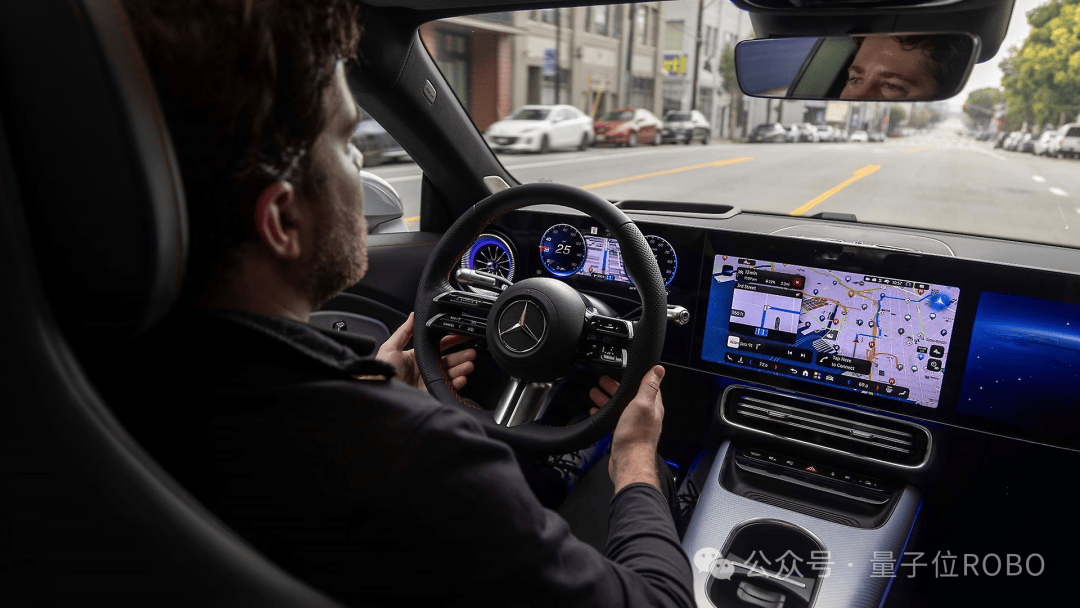
On balance, however, the new system delivers vastly broader operational scenarios and much higher daily utilization.
One system lets the driver temporarily look away, but can only be turned on occasionally during specific traffic jams; the other requires constant driver attention, but covers the vast majority of everyday trips.
Mercedes ultimately chose the latter.
As for fully autonomous Level 4 driving, Burzer believes large-scale commercialization may not arrive until after 2030, with capabilities being unlocked at a measured, progressive pace.
This means that for the next several years, Mercedes’ consumer-facing intelligent driving lineup will remain firmly anchored around advanced Level 2 systems.
The Level 3 Dilemma Caught BMW Too
Mercedes is far from the only automaker to hit the pause button on the Level 3 track.
This March, BMW made an almost identical move: dropping its previously touted Personal Pilot Level 3 autonomous driving system from the refreshed 7 Series.
As another major champion of Level 3, BMW had rolled out the feature on its flagship 7 Series in 2024, enabling eyes-off, hands-off operation under specific conditions at speeds up to 60 km/h.
At the time, the optional package cost €5,110 (around 40,000 RMB) and was hailed by BMW as a flagship technological asset to cement its leadership in intelligent driving.
Regarding the decision to abandon Level 3, BMW R&D chief Joachim Post was candid: “Market demand simply wasn’t sufficient to make the business profitable.”
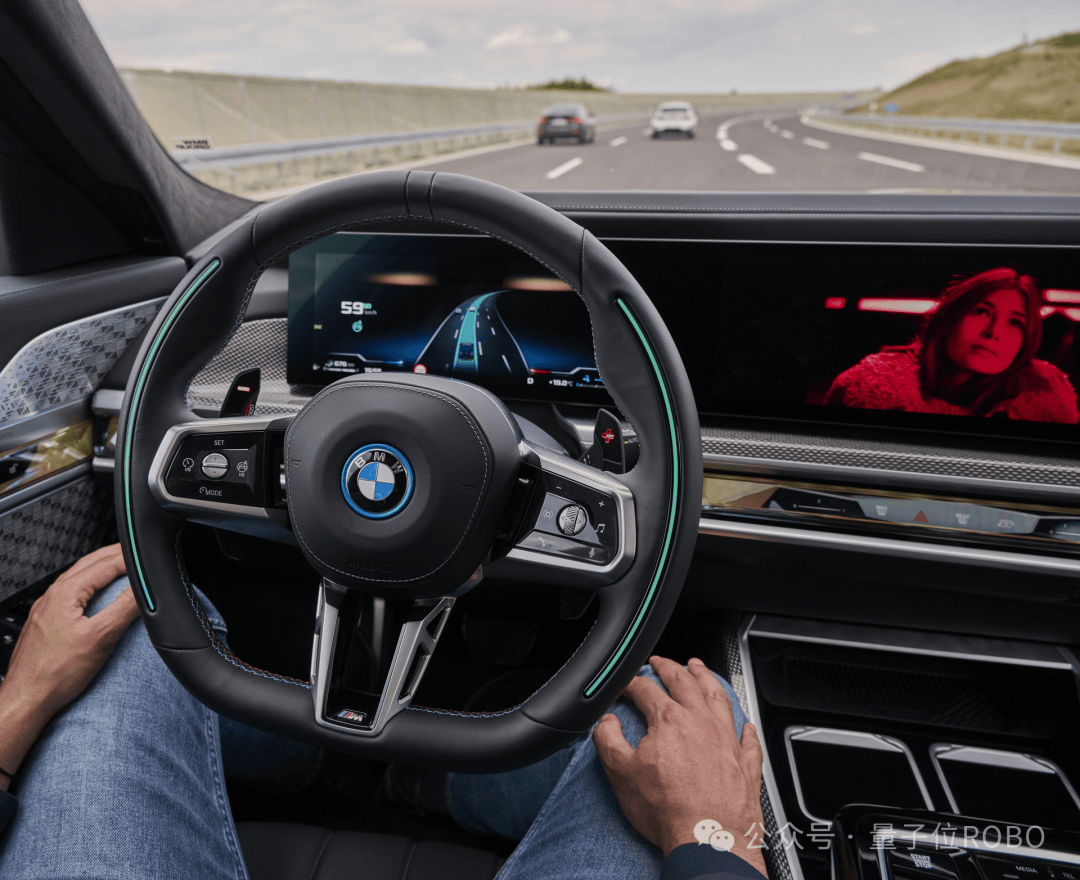
The strategic retreat of these two luxury pioneers highlights a fundamental contradiction currently plaguing Level 3 autonomous driving: the tension between conceptual ambition and real-world practicality.
According to the SAE autonomous driving taxonomy, the core dividing line between Level 2 and Level 3 is not what maneuvers the vehicle can execute, but rather how legal liability is apportioned between the system and the human driver.
At Level 2, the human driver remains the ultimate responsible party at all times and must maintain continuous supervision. At Level 3, the system assumes the dynamic driving task and takes on liability for accidents within a defined Operational Design Domain (ODD); the driver may look away, but must be ready to take over the moment the system issues an alert.
This forces automakers not only to shoulder the cost of expensive hardware redundancy, sensor redundancy, and validation testing, but also to absorb unprecedented legal and financial liability risks. Crucially, this immense engineering premium has failed to translate into a tangible, frequent experiential upgrade for consumers.
By contrast, with the rapid evolution of Urban Navigate on Autopilot (NOA) and Highway NOA, mature, high-end Level 2 systems can now handle the lion’s share of daily driving scenarios.
Spending tens of thousands of yuan for an early-stage Level 3 system that is only usable during brief stints of stop-and-go traffic offers virtually no noticeable leap in real-world user experience—yet multiplies development and manufacturing costs.
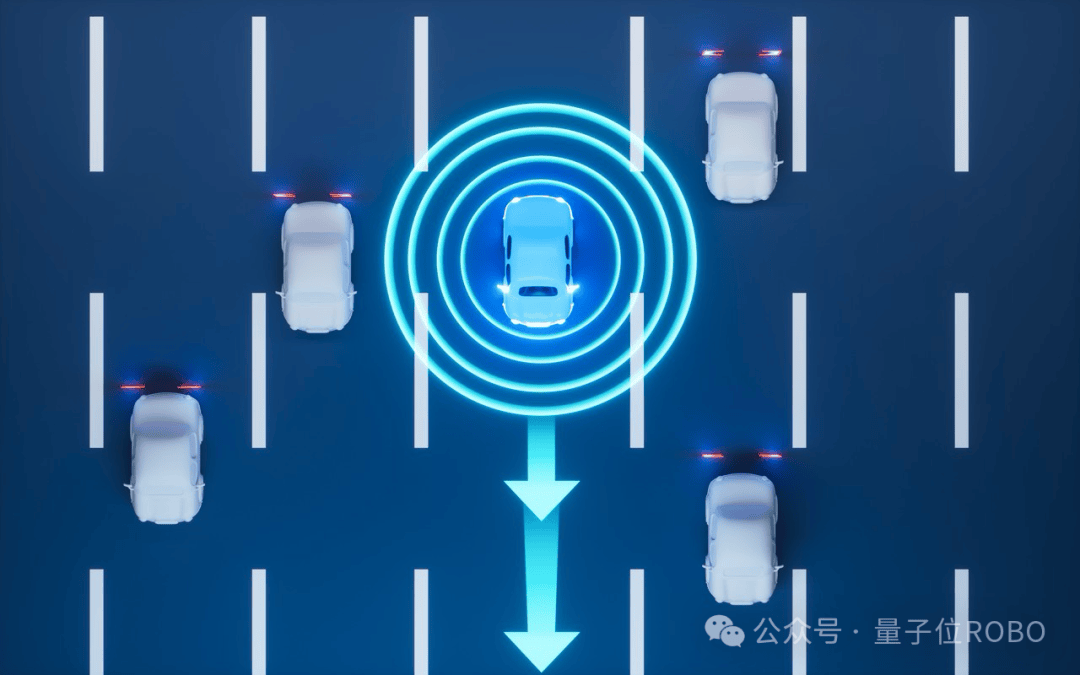
Worse still, even after clearing the Level 3 hurdle, a massive chasm remains before reaching true “unmanned driving.”
Level 4 autonomy operates entirely without relying on a human driver within defined boundaries; the system must run fully autonomously and execute Minimum Risk Maneuvers (MRC) during extreme anomalies. Level 3, on the other hand, still relies on “emergency human intervention” as the ultimate safety net.
More than a decade ago, autonomous driving pioneer Waymo ran into this exact human-machine interaction trap.
In 2012, back when the team was still known as the Google Self-Driving Car Project, they tested a Level 3 system by inviting employees to test-drive on public roads with instructions to remain ready to take over at all times.
The results were eye-opening: The moment humans built trust in the vehicle’s automated capabilities, their attention evaporated almost instantly. Testers spent extended periods scrolling on their phones, turned around to rummage through the backseat, and some even fell fast asleep.
The Waymo team concluded that asking a human to instantly snap from a relaxed, “eyes-off” state into a split-second “emergency takeover” was fundamentally counter to human nature and an engineering impossibility from a safety-loop perspective.
From a first-principles standpoint, true autonomous driving should allow machines to operate safely without relying on human intervention, rather than lulling users into a false sense of security only to drop them into far more perilous handover situations.
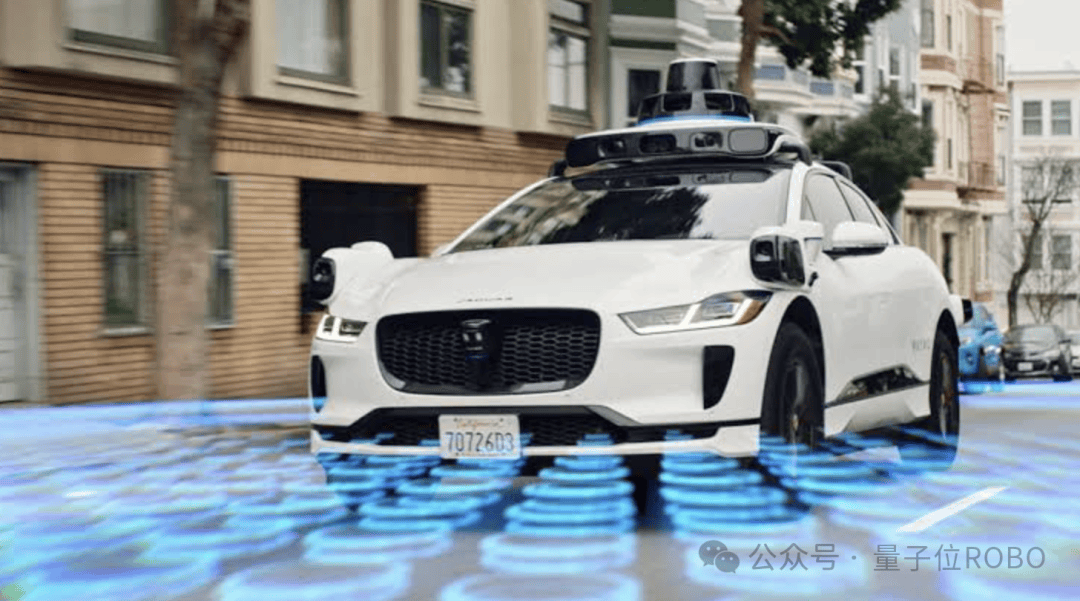
It was precisely for this reason that Waymo made the early call to abandon the Level 3 transitional path and leap straight into developing Level 4 driverless technology. In hindsight, the takeover paradox Waymo encountered years ago served as an exact preview of the production hurdles facing Level 3 today.
Another technological bellwether, Tesla, has followed a remarkably similar evolutionary logic.
Elon Musk never treated Level 3 as a necessary stepping stone on the mass-production roadmap, opting instead for a pragmatic “two-pronged” approach:
On one hand, continuously refining an advanced Level 2 system that operates under full human supervision—FSD (Supervised); on the other, going all-in on Robotaxis designed entirely without steering wheels or pedals, aiming straight for Level 4/Level 5 autonomy.
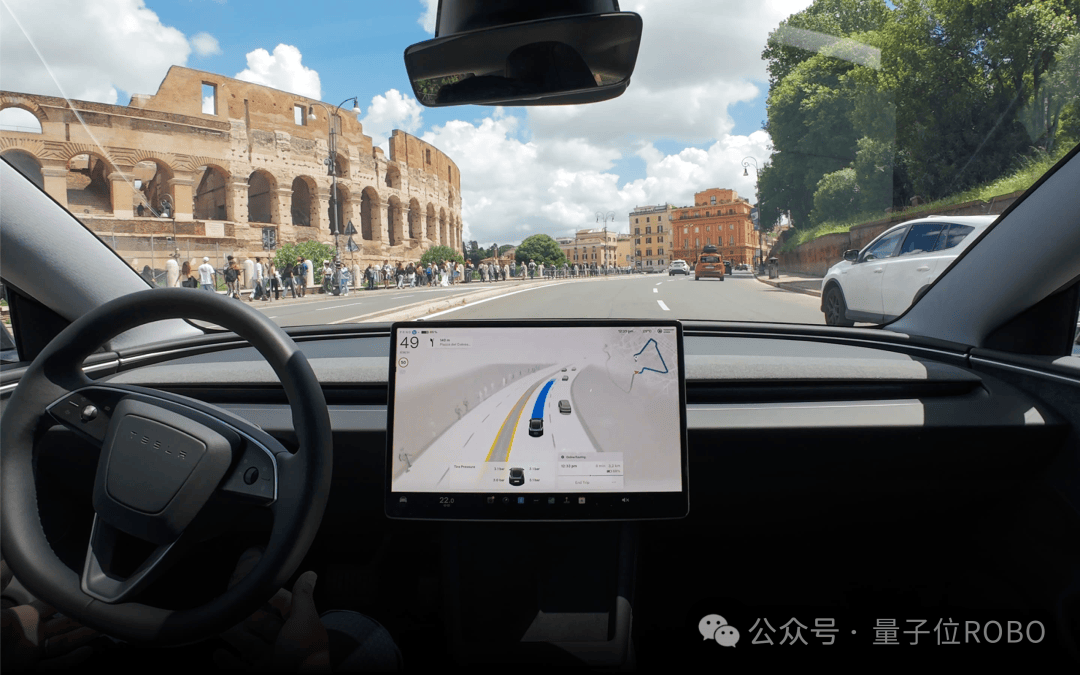
This architectural shift is clearing up a long-standing misconception:
While Level 2, Level 3, and Level 4 scale upward numerically, that does not mean technical evolution must progress through rigid, linear checkpoints.
Under SAE standards, each level simply defines how authority and liability are shared between human and machine—it is not an absolute yardstick for raw technical sophistication.
Level 3 was never an obligatory gateway to Level 4 driverless autonomy; it is merely an interim paradigm that emerged under specific software, hardware, and regulatory conditions.
Over the past few years, Level 3 was brandished by luxury automakers as a banner of technological dominance—being the first to gain regulatory approval and the first to achieve eyes-off driving were touted as ground-breaking achievements in press releases.
Yet the first-mover advantages of regulatory certification must ultimately confront the unforgiving realities of commercial logic and consumer willingness to pay. The automotive industry’s once-frenzied paper arms race over autonomous driving levels is being firmly recalibrated by practical market demand.
Admittedly, if a system can provide an expansive, reliable, and high-frequency operational envelope for eyes-off driving, Level 3 still holds distinct experiential value. But for now, positioning it as a standalone, premium-priced selling point has become commercially untenable.
The retreat of legacy luxury brands may not mark the absolute end of Level 3.
However, the bubble of “high-cost, low-utilization” pseudo-demand surrounding Level 3 is rapidly deflating.
And this wave of reassessment may soon wash over many more automakers.
References:
https://www.roadandtrack.com/news/a74337420/mercedes-cto-level-3-autonomy-ambitions-were-early-focus-turns-to-level-2/
https://www.ithome.com/1/023/737.htm