
AI Writes Code Too Fast, and Infrastructure Can’t Keep Up
GitHub, why are you down again…?
On November 3, GitHub’s official status page logged two incidents in a single day, one of which directly impacted core Git operations.
By November 4, Pull Request services encountered issues once more, causing requests to fail or face significant latency.
You’ve just finished the code changes and are waiting for a colleague’s review to merge into main—only to get blocked right at this final step.
One user joked: “Perfect time to grab a coffee.”
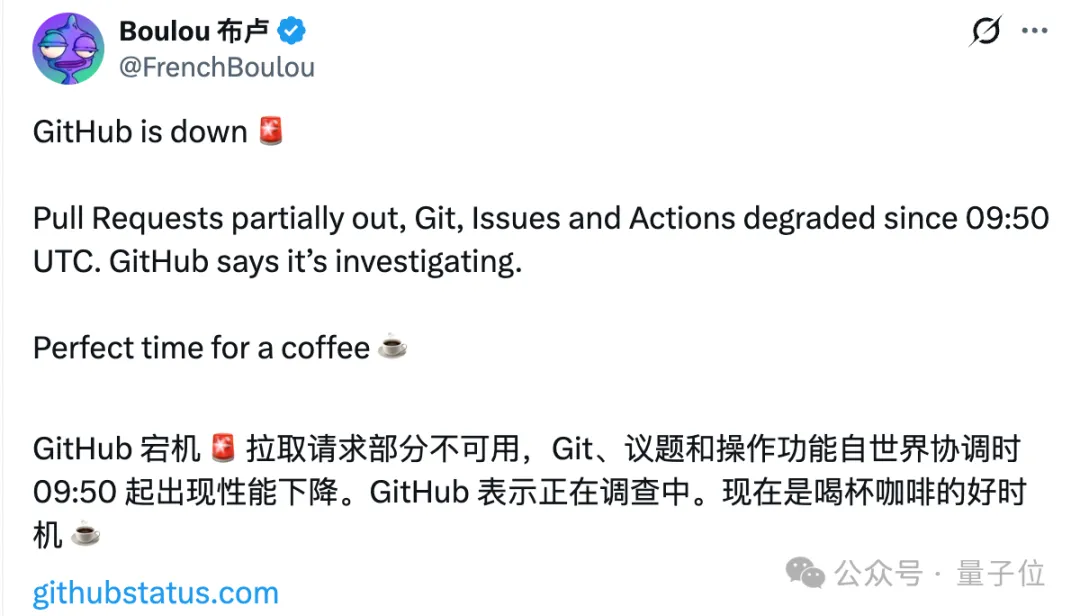
While GitHub was busy scrambling for fixes, Axios dropped an exclusive:
OpenAI plans to acquire code-hosting tool developer Pierre, with the deal still pending closing.

The timing of these two stories colliding is remarkably subtle.
Truth be told, among the companies developing AI programming tools, several have already taken code management into their own hands.
Musk’s Cursor now lets developers host entire projects directly within Cursor.
Anthropic went even further, migrating the main codebase heavily used by its engineers daily into an in-house system.
Why are these leading players all setting their sights on this layer?
The root cause: AI writes code at an unprecedented pace, and existing code-hosting infrastructure is falling behind…

OpenAI Built One In-House—and Plans to Buy Another
OpenAI has intimately felt the growing pains of lagging low-level code infrastructure.
Back in March, The Information reported that OpenAI engineers repeatedly suffered from GitHub outages, prompting internal development of an alternative toolset.
On November 2—just a few days ago—OpenAI officially unveiled its custom Git backend, Pando, purpose-built to handle internal code storage, access, and management.
According to the engineering team, a developer previously worked on one change at a time; with Codex, a single engineer can juggle multiple changes concurrently.
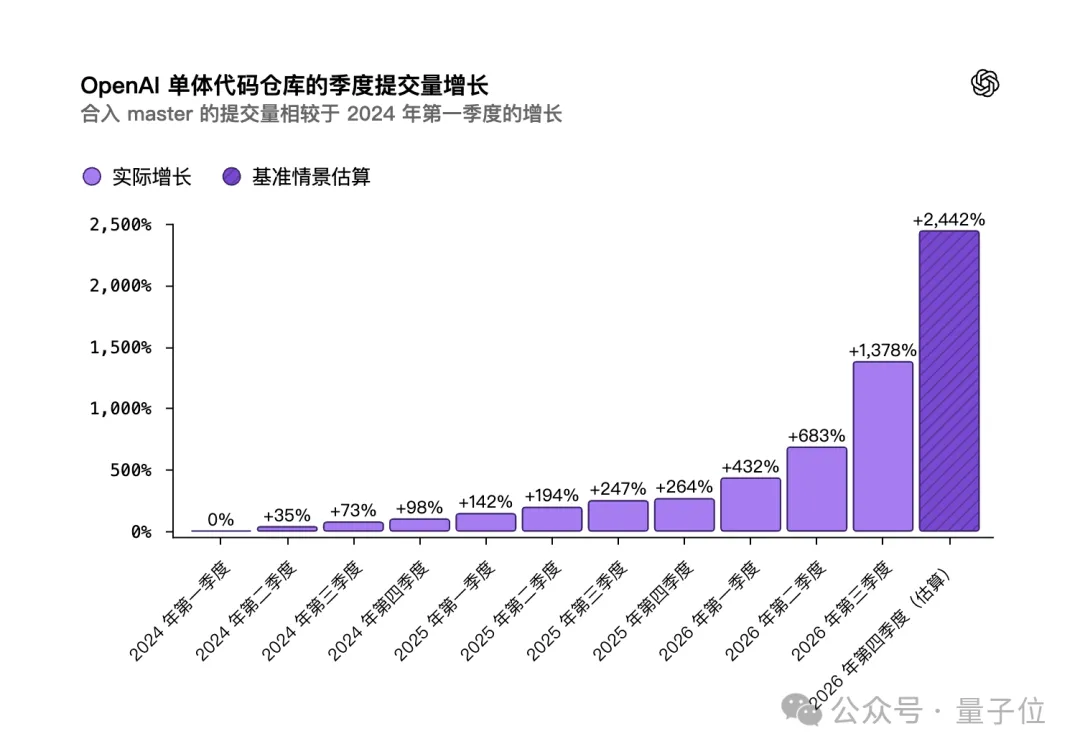
Every push triggers an array of automated CI jobs to pull code and run static analysis.
The headcount of engineers writing code didn’t suddenly double, but the throughput the system had to process skyrocketed exponentially.
The legacy system buckled under the load. Pulls and pushes crawled to a halt, and merge failure rates surged.
Pando has been handling real internal development traffic since April. According to OpenAI, switching systems slashed the median push latency by nearly 80%.
Having resolved its internal engineering bottlenecks, OpenAI now plans to bring core capabilities like code storage directly to Codex users through the acquisition of Pierre.

In fact, many developers may have already interacted with Pierre’s tech without realizing it.
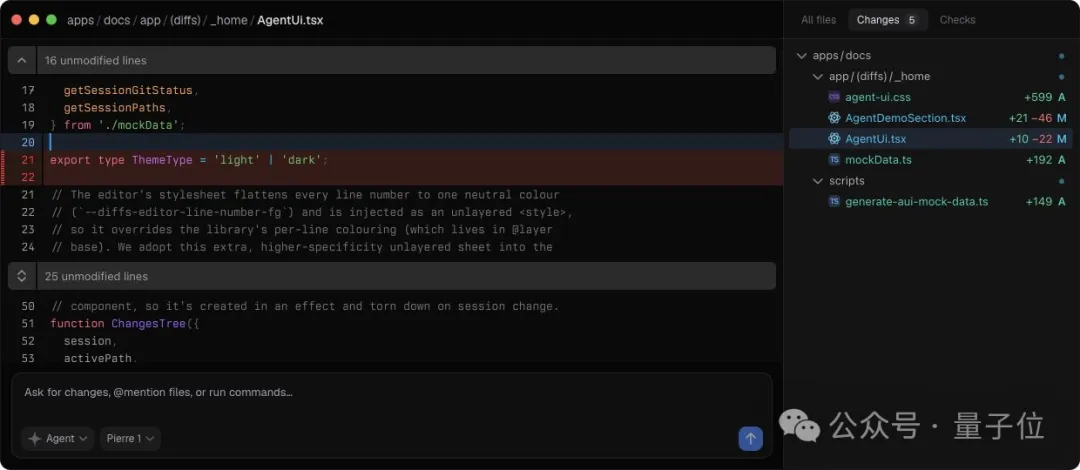
Say you ask Codex to fix a bug, and it modifies five files in one go.
You open the file tree, pick one, and review the added and removed lines—
The file tree UI is powered by Pierre’s Trees component, while the visual code diffing runs on Pierre’s Diffs. Both tools were already integrated into Codex.
Additionally, Pierre operates a flagship business called Code Storage, serving clients like the AI full-stack development platform Lovable.
Users type a few natural-language prompts into Lovable to spin up a complete website. Under the hood, every project relies on one or more Git repositories to store source code and commit history.
According to figures shared by Pierre in August, Lovable was provisioning over 8 million new repos per week, peaking at 250 repos per second.
Once the acquisition closes, OpenAI intends to deeply weave Code Storage’s capabilities into Codex.
Going forward, having AI generate code, reviewing diffs, saving versions, and managing repositories could all happen seamlessly within the Codex platform.
The transaction remains subject to regulatory approvals and customary closing conditions.
The Day Cursor Launched Code Hosting, GitHub Went Down Too
You might recall that on August 14, Musk’s SpaceX finalized its acquisition of Cursor.
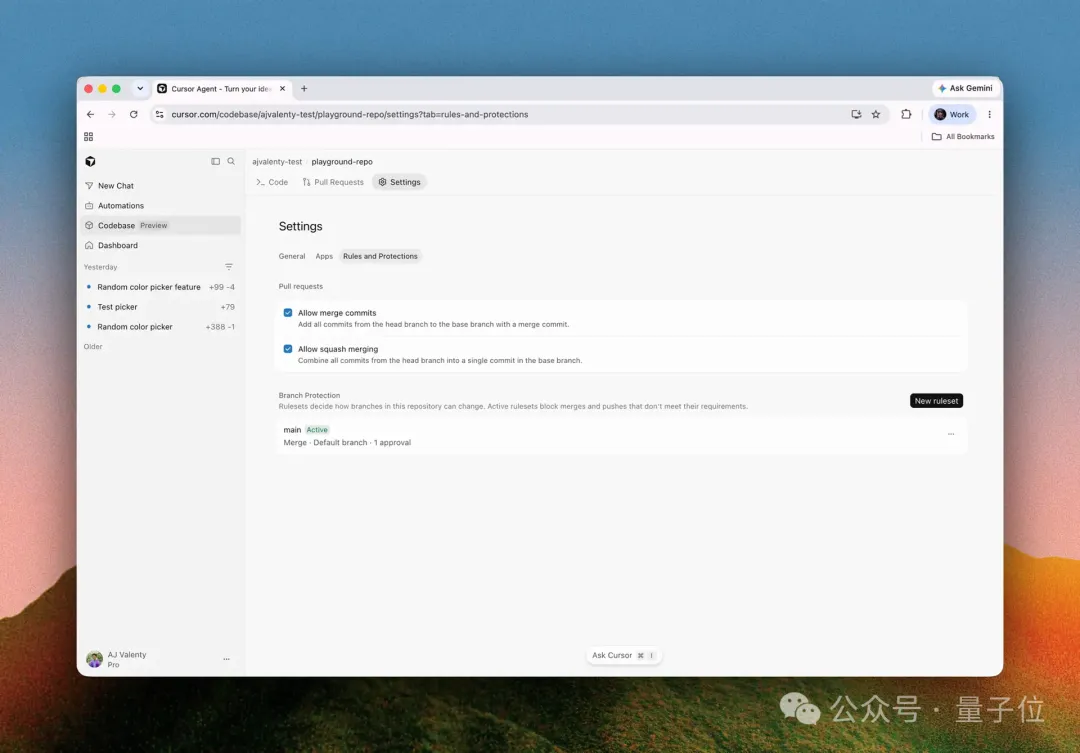
Just three days later, Cursor opened early access for Origin, its custom code-hosting service.
Dramatically enough, on August 17, GitHub suffered a massive outage lasting 7 hours and 47 minutes.
Cursor team member Matt Palmer joked on social media that they intended to launch Origin even sooner, but GitHub was “down, again.”
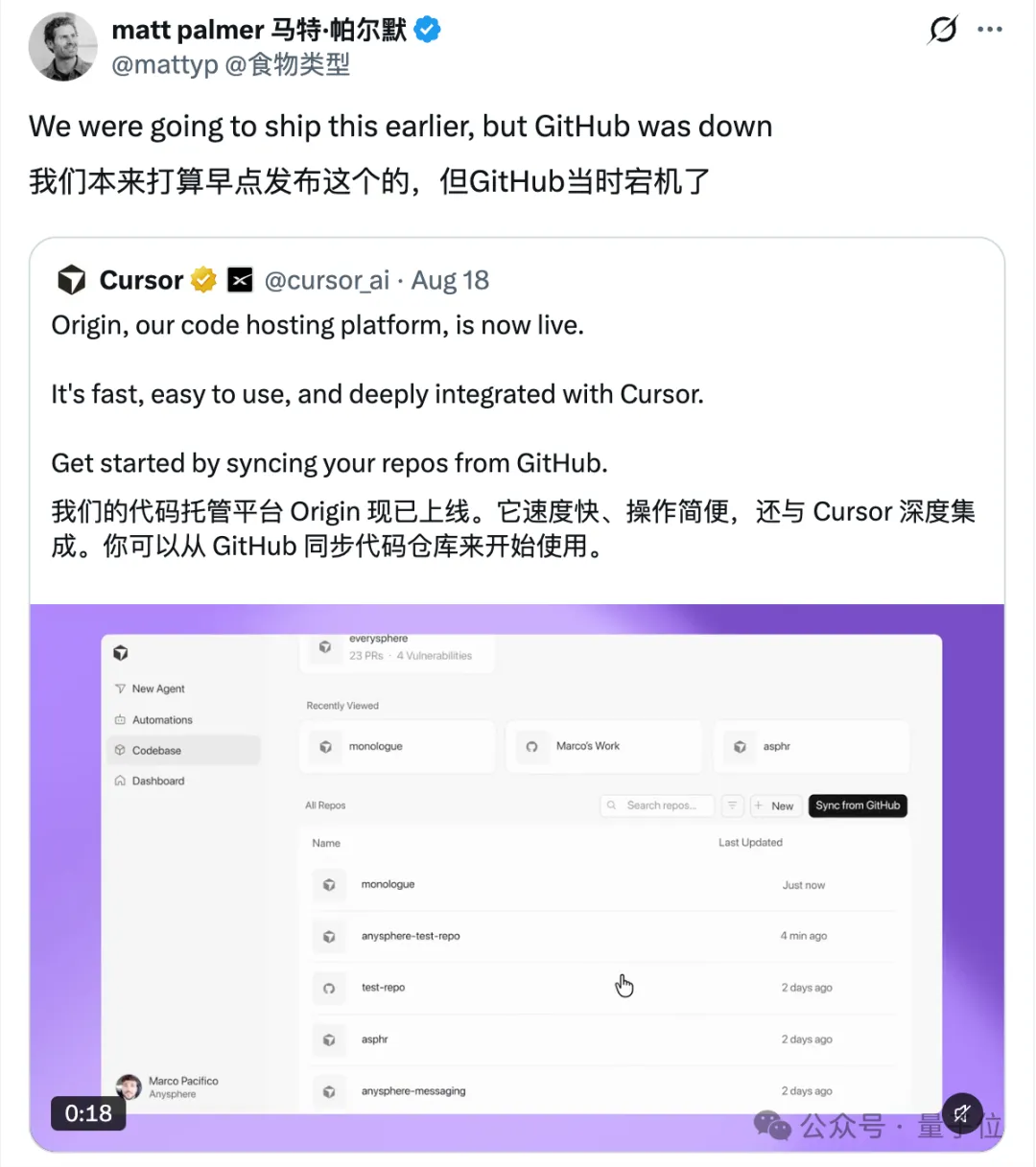
Origin offers developers two routes: For brand-new projects, you can create repositories directly inside Origin and push code straight to Cursor—completely bypassing GitHub for code reviews, inline comments, and branch merges.
For existing projects hosted on GitHub, you can simply sync a mirror to Cursor.
Comments left in Cursor remain visible to collaborators when returning to GitHub, keeping GitHub as the single source of truth.
This raises a practical question:
If writing, reviewing, and merging code can all be handled smoothly within Cursor, how much reason is left to open GitHub?
Even if legacy repos stay rooted in GitHub, reviewers’ daily focus is already migrating into the editor.
Claude Writes Too Fast: Anthropic Built Its Own System
While OpenAI and Cursor have largely integrated workflows into clients and tooling layers, surging throughput inside Anthropic forced the team to completely rewrite their underlying code management system.
The culprit, once again, is how quickly Claude writes code.
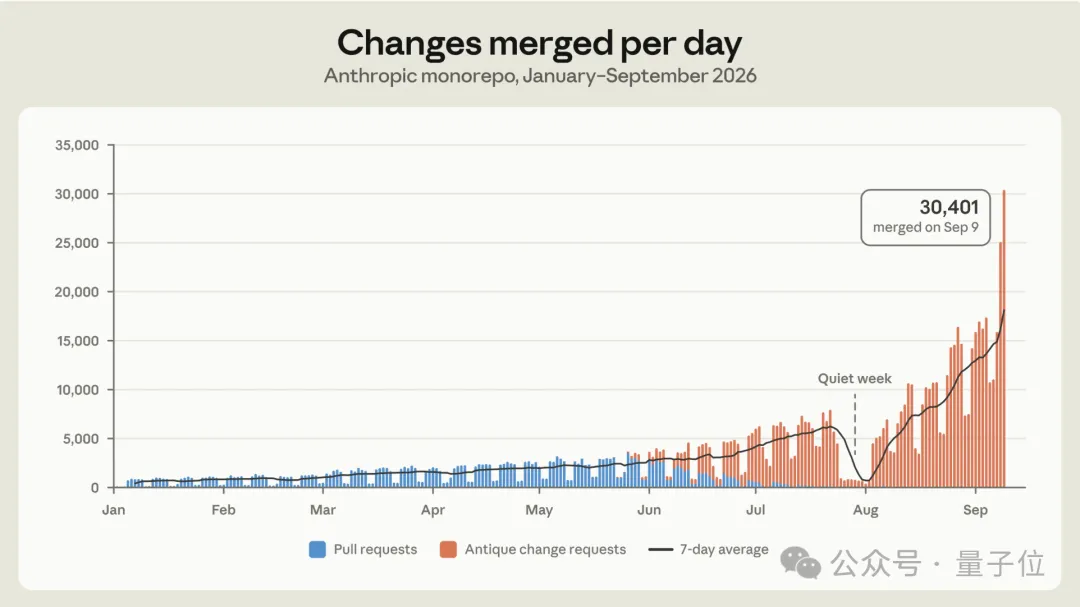
According to Anthropic, the company merged around 2,500 code changes per day in May. By September, that figure had skyrocketed past 30,000 per day.
That means the main branch maintained by the team absorbs over 30,000 merges every single day.
Automated testing and CI jobs alone query and pull code roughly 25 million times a day.
At peak hours, the company maintained hundreds of Git mirrors to distribute concurrent loads. But as the main repository evolved at an exponential rate, keeping data synchronized and consistent across mirrors became increasingly untenable.
Deep analysis by engineers revealed that the vast majority of high-frequency callers were 24/7 autonomous agents and automation workflows.
Many jobs only needed to inspect a few modified lines in a specific file; there was no need to clone the entire repository locally. All that was required was for the server to compute the diff and return the result.
With this in mind, Anthropic built its own version control system: Scion.
The architecture shifts to on-demand fetching: clients pull only the files required for the current change, offloading expensive calculations like revision traversal, commit creation, and branch merges entirely to the server.
Ultimately, seven engineers, aided by Claude, spent five months building this internal VCS along with its companion code review platform, Antique, and migrated the company’s entire primary codebase onto it.
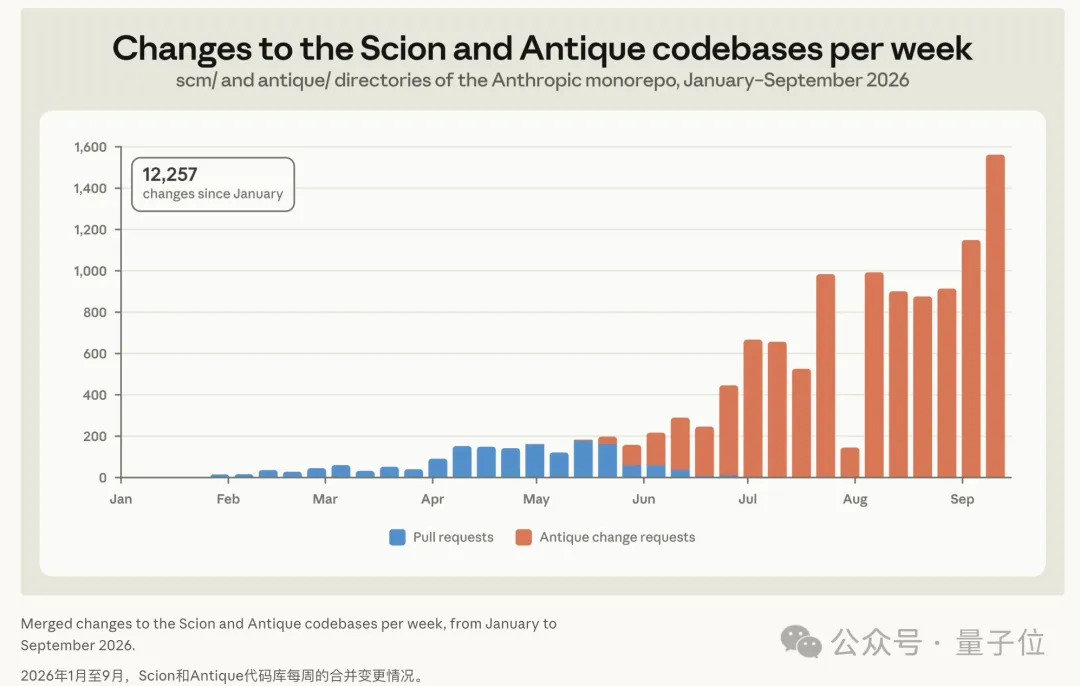
For now, Scion primarily serves Anthropic’s massive, high-concurrency internal repos.
Open-source projects like Claude Code and public community resources remain hosted on GitHub.
30,000 Changes a Day: Who Reviews Them?
Once code reading becomes efficient and storage pipelines are unblocked, an even harder challenge surfaces:
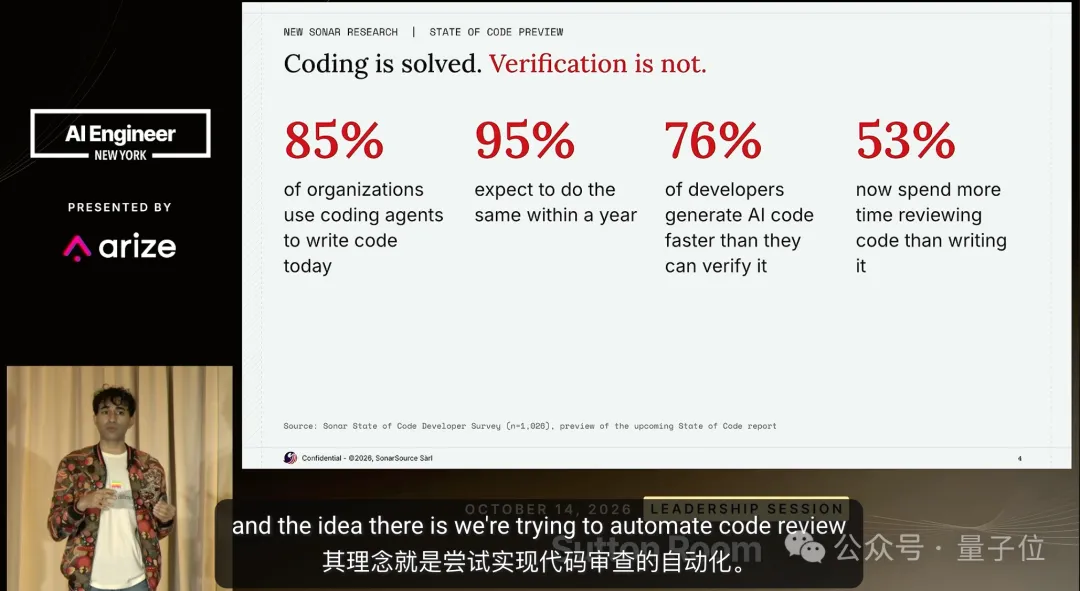
With such an astronomical volume of changes produced daily, how do you verify quality and reliability?
In a recent discussion, Anthropic’s Addy Osmani shared their engineering practices:
The first line of defense falls to Claude for an automated initial review, equipped with an environment that lets it validate functionality just like a real user.
For web-facing changes, the AI spins up a browser, inspects layout and interactions, and runs the appropriate test suites.
Afterward, engineers only need to inspect the chain of evidence compiled by the AI—including screen recordings, screenshots, and automated test results. Every change still maps strictly to an accountable engineer who takes responsibility if issues crop up post-deploy.
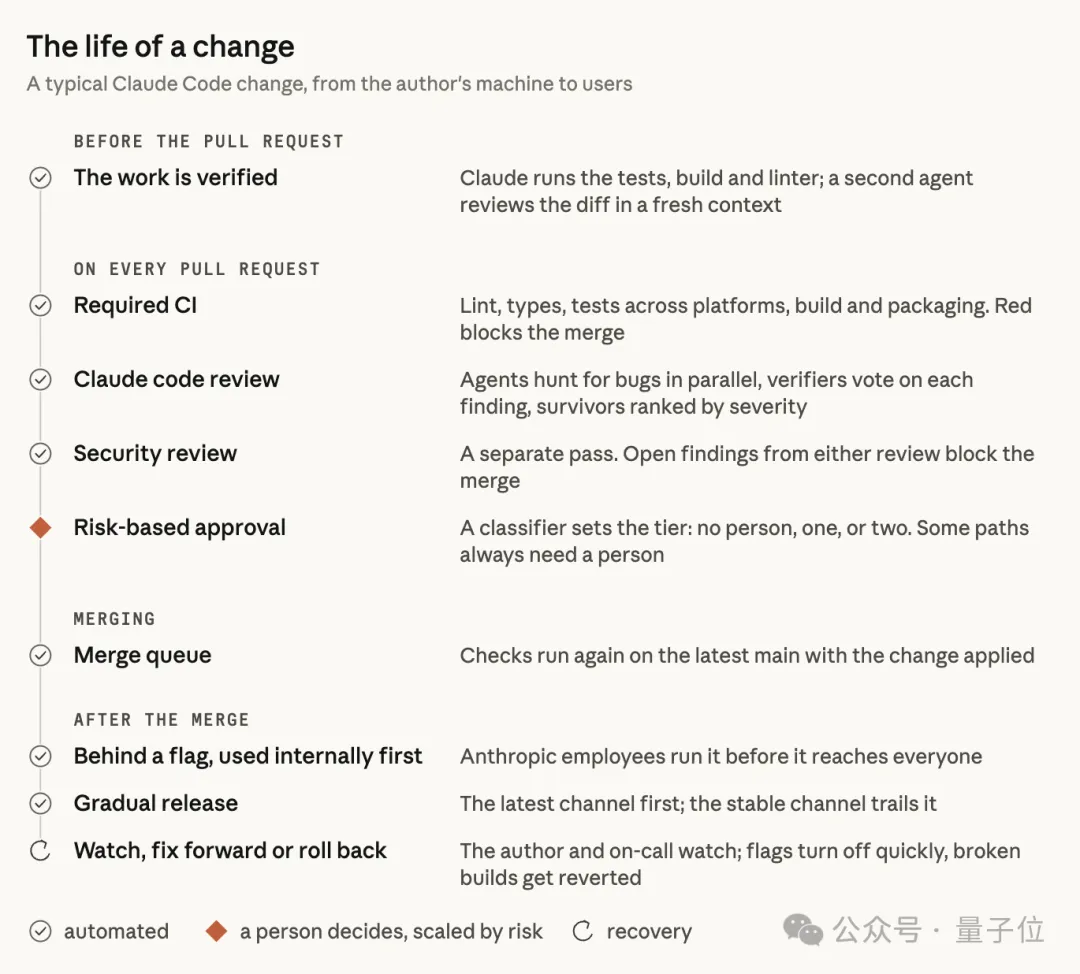 △ The code review and release pipeline published by the Claude Code team
Anthropic’s engineering blog also highlighted a thornier concurrency scenario:
During a single test run, hundreds or even thousands of new changes may be merged into main in parallel.
Under this level of throughput, traditional repo-level locks and queued merges break down entirely. The team shifted focus to high-frequency automated regression testing post-merge and pre-deploy.
Anthropic also concedes that merge conflicts in high-concurrency environments are inevitable.
They noted that Claude typically detects and resolves merge conflicts faster than human engineers, though quantified metrics have yet to be publicly shared.
One More Thing
At this point, you might wonder: How is the incumbent code-hosting giant, GitHub, responding to this surging AI wave?
GitHub hasn’t been sitting idle; it is thoroughly re-architecting its foundational infrastructure.
On October 28, GitHub revealed that it added 4 million CPU cores and 160 PB of high-speed storage this year, while actively migrating to Azure-native cloud infrastructure.
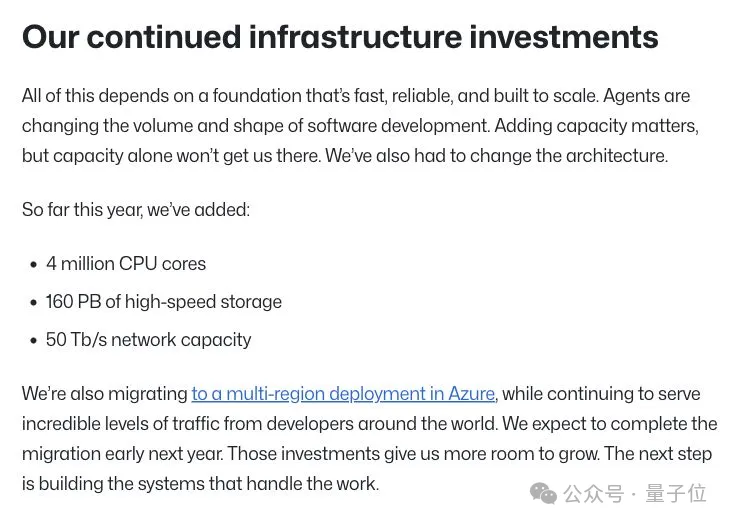
Beyond raw hardware scaling, concurrency scheduling has seen substantial overhaul.
Previously, even if multiple agents pushed changes to different branches, write operations could still end up serialized in a queue due to repository-level boundaries. GitHub is now rolling out hierarchical concurrency optimizations to decouple ref updates across branches, drastically cutting wait times.
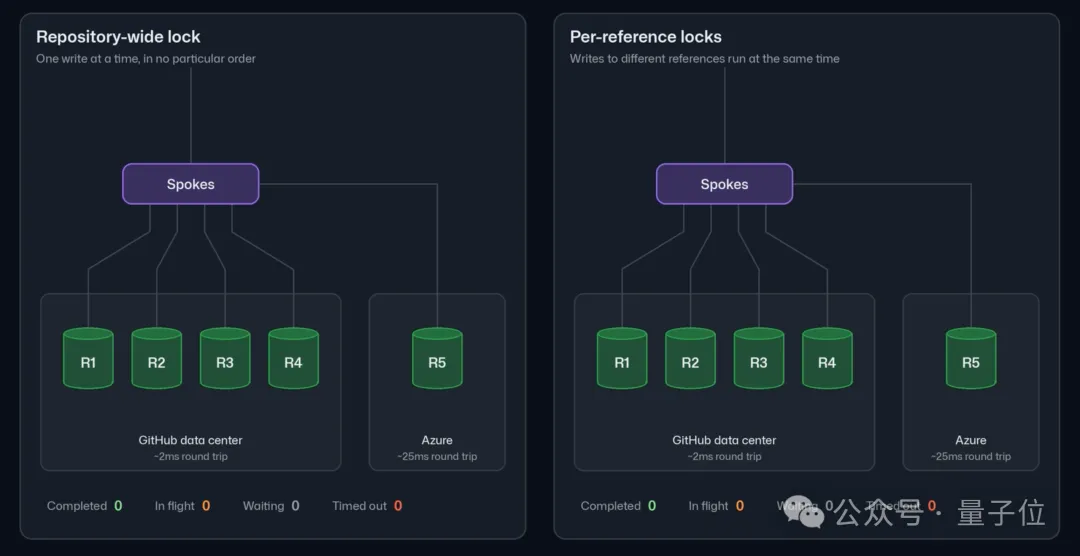 △ Left: Queuing per entire repo; Right: Allowing updates to different branch refs to proceed in parallel
Furthermore, to handle the flood of automated test reads after commits, GitHub is adopting a CQRS-style read/write separation architecture. When read traffic spikes, dedicated read-only clusters scale dynamically, eliminating latency spikes caused by read-write resource contention.
These deep infrastructure updates are currently rolling out through phased canaries.
From OpenAI and Cursor taking code hosting into their own hands, to Anthropic rewriting foundational version control systems, to GitHub pouring resources into overhauling its infrastructure—
The tidal wave of AI-generated code is thoroughly reshaping the foundational infrastructure of software engineering.
And for front-line developers, the wish remains simple:
The code is written, the tests are green, and I’m ready to merge—just please, don’t crash again…

References:
[1]https://x.com/FrenchBoulou/status/2117919227147640978
[2]https://x.com/pierrecomputer/status/2117999036175188183
[3]https://www.axios.com/2026/11/04/openai-pierre-computer-github
[4]https://www.anthropic.com/research/redesigning-source-control
[5]https://www.youtube.com/watch?v=AnsXWH2_EBU