
Pinduoduo Takes Its Agritech Competition Beyond the Slides
Just past midnight, Lyu Zhaochen once again pulled up the live monitoring feed on his phone.
On screen was a 50-square-meter strawberry factory.
Light, temperature, humidity, fertigation, carbon dioxide… every environmental parameter essential for strawberry growth had a corresponding slider or toggle on the control dashboard.
Yet after staring at the screen for ten straight minutes, he didn’t adjust a single setting.
On the day the strawberry plant was completed, he had walked in brimming with technical confidence.
“As long as you have enough sensors and your algorithms are precise enough, growing strawberries is essentially just a parameter optimization problem.”
Reality, however, soon proved that it was far from that simple.
Strawberries Aren’t Standardized Parts
Lyu Zhaochen is a master’s student in horticulture at Shanghai Jiao Tong University. This time, he entered a formidable agricultural innovation challenge.
According to the rules, every finalist team had to design and build a 50-square-meter plant factory from scratch (measuring 10m × 5m × 4m).
The competition rules were exceptionally demanding:
- Only domestic Chinese strawberry cultivars could be grown, over a full six-month cycle;
- Domestic technical solutions had to be used throughout;
- As an intelligent plant factory, the facility required a high degree of automation, capable of unmanned, remote, autonomous operation.
In the end, the judging criteria boiled down to just two questions: Who grew the higher-quality strawberries? And whose factory model proved more sustainable?
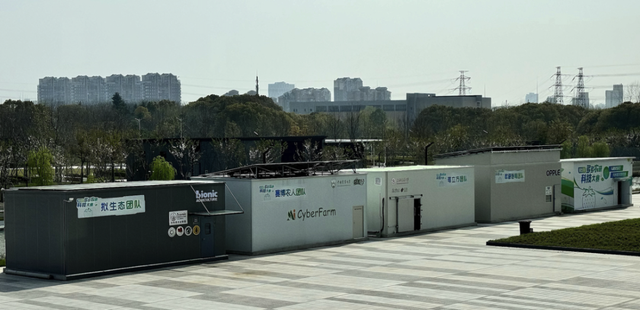
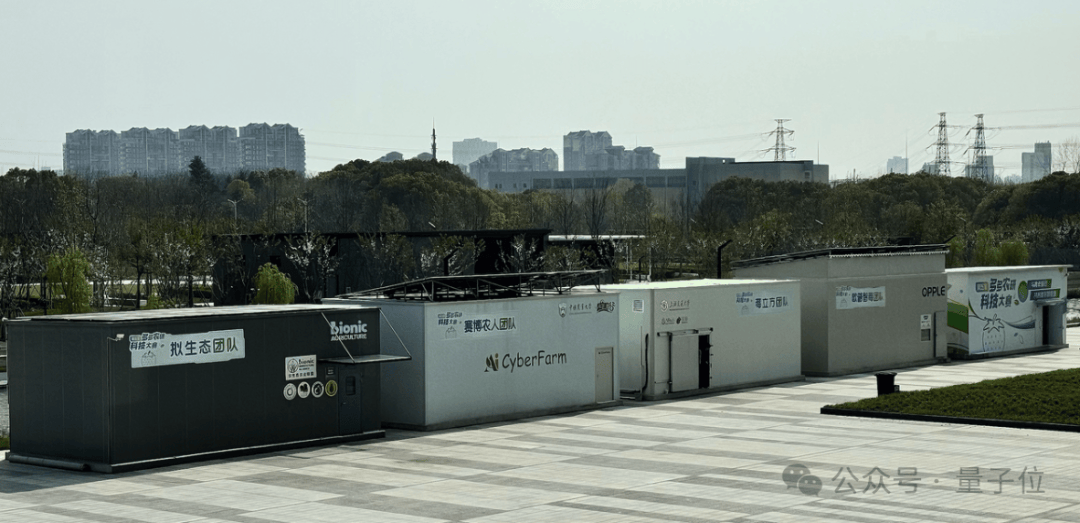 △ Strawberry factories built by the four finalist teams
Lyu’s team, “Berry Cube,” was one of the four finalists.
On paper, they appeared to have no weaknesses: faculty and students from Shanghai Jiao Tong University handled structural design and environmental control systems; Jiqing Technology oversaw engineering implementation; and Jiaxing Jiamei, with over a decade of strawberry-growing experience, provided cultivation support.
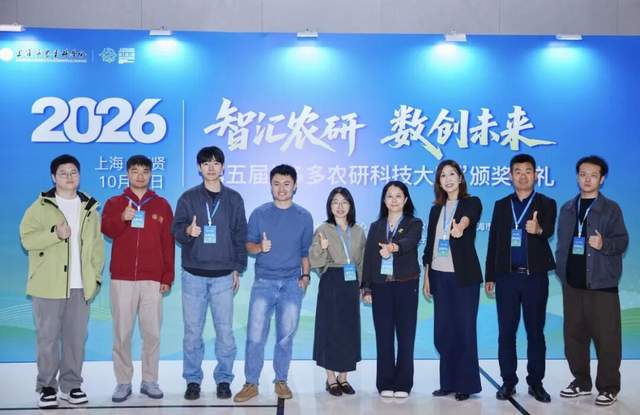
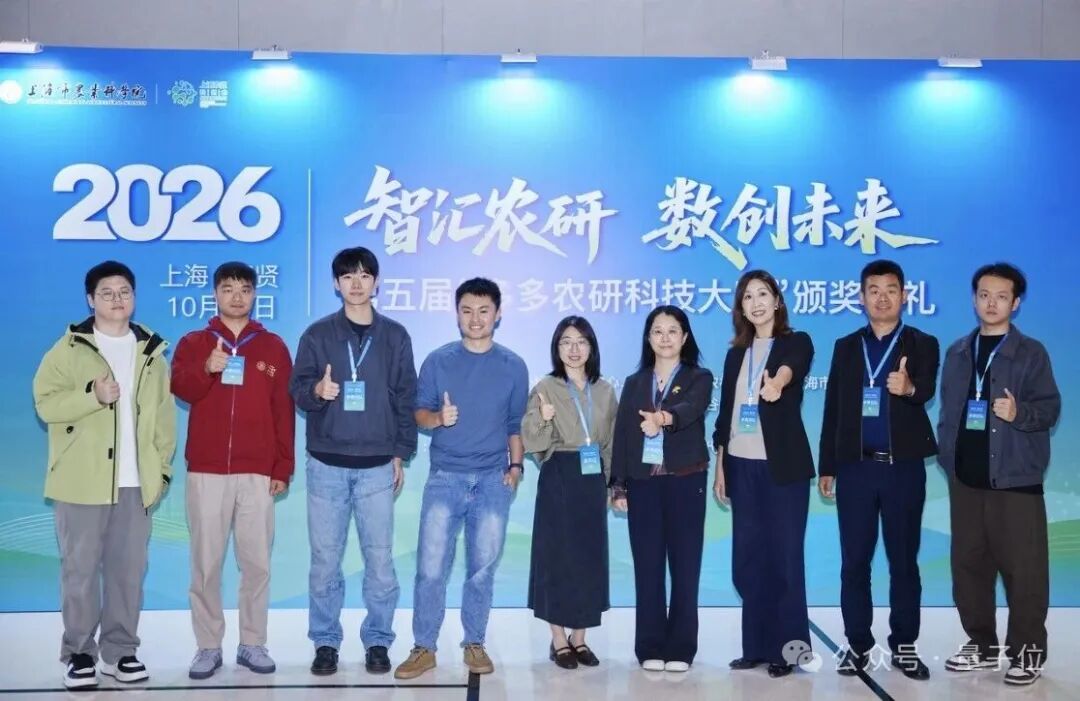 △ Berry Cube team group photo
Lyu brought an interdisciplinary background to the table. As an undergraduate in smart agriculture, alongside traditional agronomy, he systematically studied neural networks, deep learning, and intelligent farm machinery. At Shanghai Jiao Tong University, he went on to specialize in horticulture.
Versed in both algorithms and plants, the team arrived full of confidence.
To them, since a fully enclosed plant factory completely shuts out harsh and erratic weather, why shouldn’t strawberries thrive as long as light, temperature, water, air, and nutrients were tuned to theoretically optimal levels?
Strawberries quickly taught them a lesson. During the trial phase, the plants suffered severe excessive vegetative growth.
An environmental imbalance caused the plants to channel nearly all their nutrients into stems and leaves, yielding luxuriant foliage while flower buds and fruits failed to develop.
Lyu and his teammates realized that strawberries cannot stay indefinitely in their “comfort zone”—every now and then, they need to be “stressed.”
In agronomy, this controlled stress is known as flower bud differentiation induction. By applying low temperatures and short photoperiods, the plant’s flowering inhibition signals are suppressed, nudging its shoot apical meristem from vegetative to reproductive growth and prompting inflorescences to emerge. Conversely, when conditions are too mild and nutrients too abundant, strawberries indulge in leaf growth and delay flowering indefinitely.
Once they uncovered this mechanism, the team began intentionally widening the day-night temperature swing to simulate natural seasonal rhythms, finally guiding the crop through flower bud differentiation and into successful blooming.
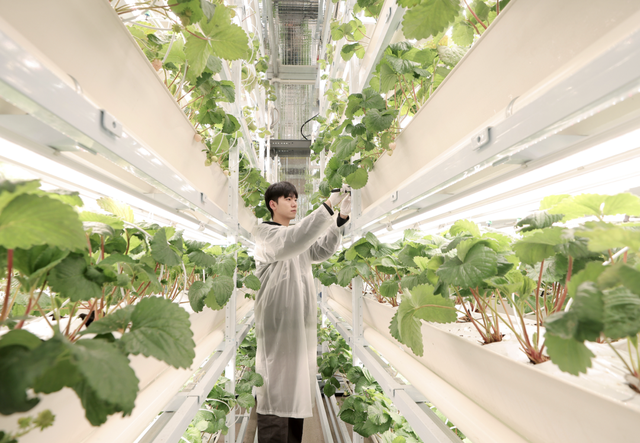
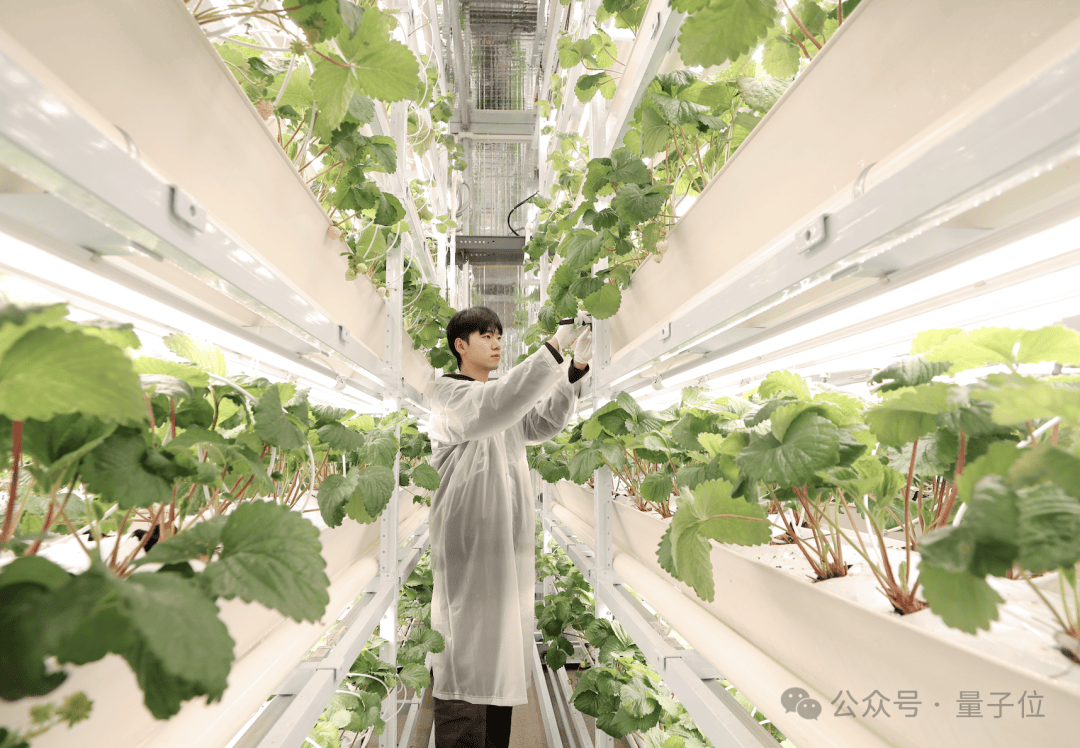 △ Team leader He Shiwei logging trial planting data inside Berry Cube’s plant factory
Just as blooming got underway, another crisis struck: the nearly one hundred bumblebees brought in for pollination went on a collective “strike.” Once introduced, the bees huddled in their hives refusing to forage or pollinate; some even chewed on blossoms or attacked technicians inspecting the facility.
After troubleshooting, the team discovered that the hive had inadvertently been placed in an area with the heaviest noise and airflow turbulence in the entire facility. The continuous vibration had induced severe stress in the bumblebees. They hastily relocated the hives and allowed the colony adequate time to acclimatize.
Wind speed affects the bees, bees determine pollination, and pollination governs fruit set—tweaking any single parameter sets off a chain reaction across this intricate living system.
To ensure a uniform microclimate throughout the facility, the team installed 110 micro-air ducts, routing climate-controlled air directly along each planting trough to smooth out temperature and humidity gradients across vertical rack tiers and edges.
At the same time, the team trained two dedicated computer vision models: one inferred nitrogen and potassium levels from leaf imagery to guide dynamic fertigation recipes, while the other relied on fruit phenotypic images to predict Brix (sugar content), acidity, and sugar-acid ratio, reaching an accuracy rate of around 90% on selected benchmarks.
Once, the margins of some strawberry leaves began scorching yellow. The younger team members immediately pulled up images and sensor logs to run models; the veteran grower accompanying them took one glance and pinpointed the root cause in under three seconds.
The master grower couldn’t explain it with complex model terminology, but decades of observing millions of leaves—their hue, curl, and overall vigor—had formed an ingrained intuition. As Lyu admitted: “What we want most is to encode that experiential ‘feel’ directly into our AI models.”
In early August, Berry Cube harvested its first batch of summer strawberries. The team picked a total of 295 fruits, averaging over 20 grams per berry with a maximum single fruit weight exceeding 40 grams, securing second place in a blind taste test conducted with everyday consumers.
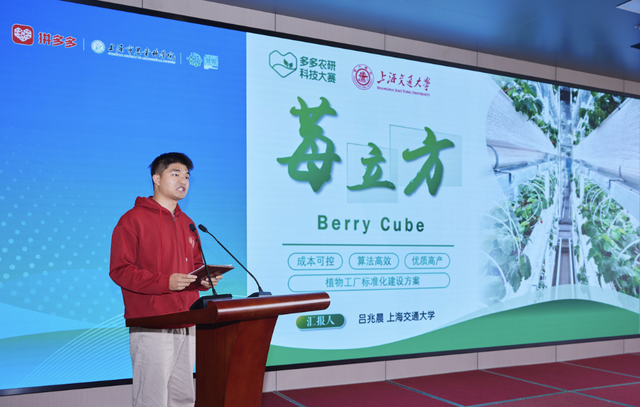
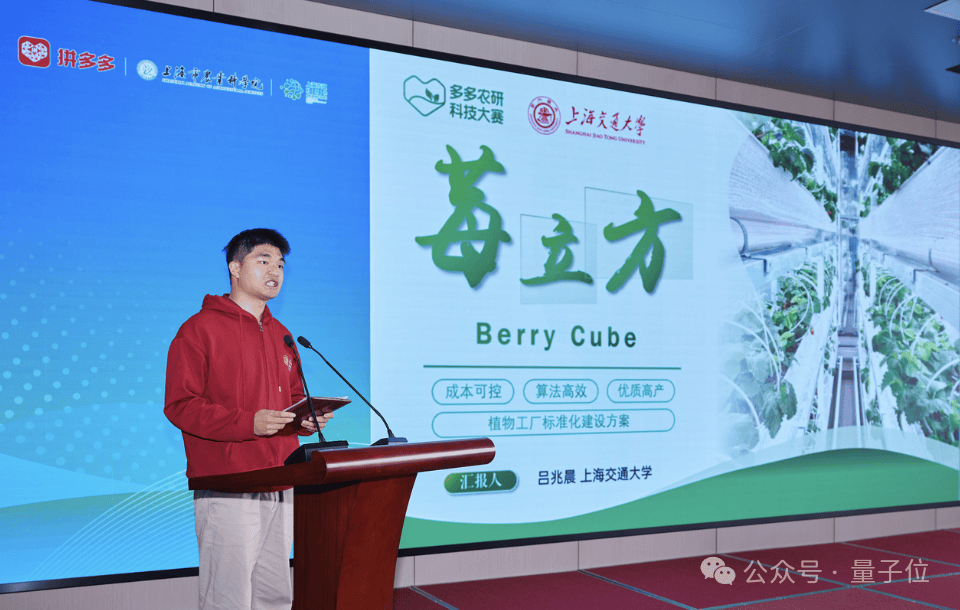 △ Lyu Zhaochen presenting the team’s cultivation results at the final review
However, the extended operational cycle brought new hurdles. Later in the season, a breakdown in communication between on-site operations staff and agronomy experts meant several critical crop management tasks fell behind schedule. “Strawberries are delicate; if a single plant falls ill and isn’t treated immediately, it can easily sweep across the entire facility.” In the end, Berry Cube took third place overall.
“In academic research, if an experiment fails, you simply reset and start over. But here, living plants pay the price for our decisions. That sense of reverence and responsibility is something you just can’t learn in an ivory-tower laboratory,” reflected Lyu.
Growing Vegetables on the Qinghai-Tibet Plateau
This marked the fifth edition of the Duo Duo Smart Agriculture Competition.
Initiated by Pinduoduo, this high-profile agritech competition tackles a different challenge each year: the inaugural event tested strawberry cultivation on the Yunnan plateau; the second tackled tomatoes; the third explored containerized lettuce factories; and the fourth required competitors to build a full-stack, containerized plant factory completely from the ground up.
Two years ago, returned overseas IT engineer Qin Chuhan stood before the judges at the 4th competition finals, ultimately taking home only an “Excellence Award.”
Walking off the stage, he clutched a dense post-mortem sheet detailing ten to twenty flaws—pointed feedback from the judging panel on his end-to-end environmental control strategy for lettuce.
Looking back, Qin admitted his team had been overly obsessed with stacking cutting-edge buzzwords, resulting in coupling inefficiencies where “1 + 1 < 2.” For instance, their prized high-power multispectral LED modules produced light intensity far beyond the plants’ light saturation point. The surplus energy never translated into biomass; it merely drove up electricity bills.
Disappointment was inevitable. Qin had moved to Canada to study at age 16, later switching from economics to computer science with a focus on AI and automation control. As early as 2016, he had built plant factories abroad using algorithms to govern crop growth, accumulating extensive theoretical and engineering experience.
Yet the end of that competition only ignited his determination to bring plant factories into real-world operation.
In January 2025, a magnitude 6.8 earthquake struck Tingri County in Shigatse, Tibet.
Seeing donation appeals for the disaster zone, Qin discussed an idea with his team: Why not deploy a complete suite of plant factory hardware and software directly to the high-altitude disaster area, allowing residents in frigid border regions to enjoy locally grown fresh vegetables year-round?
Driving a regular passenger car into Tibet is difficult enough; hauling multi-ton containerized plant factories proved far more arduous. Large flatbed trucks traveling from Shanghai to Yadong County took over ten days one-way when delayed by landslides, rain, and snow. Mid-transit, two transport trucks broke down—one with an engine completely blown—requiring backup wreckers to tow them back.
After months of struggle, the container equipment safely arrived in Yadong County, Shigatse, an area paired with Shanghai’s Putuo District for aid assistance.
On his second day on the plateau, the intense UV radiation burned Qin’s skin until it peeled. The sheer hostility of the plateau environment tested the engineering team at every step.
His deepest takeaway was learning to respect nature and slow down. With Yadong sitting at an average altitude of 3,500 meters, quickening one’s pace brought sudden shortness of breath. Qin even suffered high-altitude pulmonary edema (HAPE) midway through, forcing an emergency transfer back to Shanghai for treatment; as soon as he recovered, he headed straight back to Tibet.
From then on, he adopted “layering” to withstand steep temperature drops and wrote a lightweight app to track altitude, heart rate, and blood oxygen saturation.
Facing a shortage of accommodations upon arrival, Qin slept for an entire month inside an unheated, plumbing-free empty shipping container. Yet harsh living conditions were merely the first hurdle; the greater test was operational sustainability—without professional maintenance and operating procedures, these smart facilities would quickly rust into useless “iron boxes.”
Team members shuttled back and forth between Shanghai and Tibet, recruiting local Tibetan youths and training a new generation of growers from the ground up.
Compounding the talent shortage, the unique physics of high altitude threw their algorithmic models into disarray.
Standard protocols proven on the plains devolved into unverified experimental variables the moment they met the frigid temperatures and low atmospheric pressure of the plateau.
Lower air pressure diminished heat exchange efficiency, while relentless UV radiation accelerated wear on core hardware like industrial HVAC units. Unpredictable blackouts caused by landslides threatened to sever automated control loops at any moment.
Yet the plateau also offered distinctive advantages. Clean energy was abundant, with curtailed solar and hydro power costing as little as 0.2 RMB per kilowatt-hour. Furthermore, the valleys along the southern foothills of the Himalayas suffered from excessive rain, scarce sunshine, and limited arable land—pain points directly solved by the compact footprint and sealed, climate-controlled design of container farming.
Historically, residents in Yadong rarely had access to affordable, locally grown leafy greens, relying instead on long-distance cold chains from Sichuan and Yunnan thousands of miles away—a process marred by high spoilage, steep prices, and compromised freshness.
Qin still remembers the day the first test module arrived in Yadong: local villagers gathered around, craning their necks to peer inside, their faces filled with curiosity and anticipation.
To date, the team has commissioned 13 container plant factories in Tibet, successfully cultivating over a dozen varieties including microgreens, butterhead lettuce, bok choy, and various edible mushrooms. Monthly output has stabilized at over 3,000 kilograms, with retail prices noticeably lower than transported produce.
Fresh microgreens now appear on the tables of Tibetan households, even stuffed into everyday Tibetan pastries. Cutting-edge technology has genuinely transformed everyday life for farmers and herders on the border.
The defense sheet from two years ago, once covered in critique, has now been replaced by solid, verifiable field data.
Talking to Plants Through Technology
In the 5th Duo Duo Smart Agriculture Competition, “CyberFarmers”—a team of master’s and doctoral students from China Agricultural University—defended their first-place title, marking their fifth appearance in the tournament.
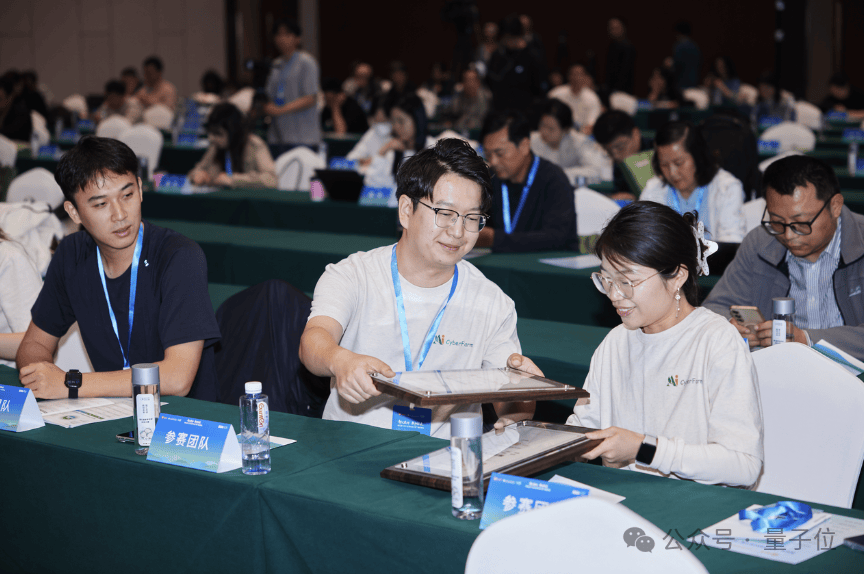
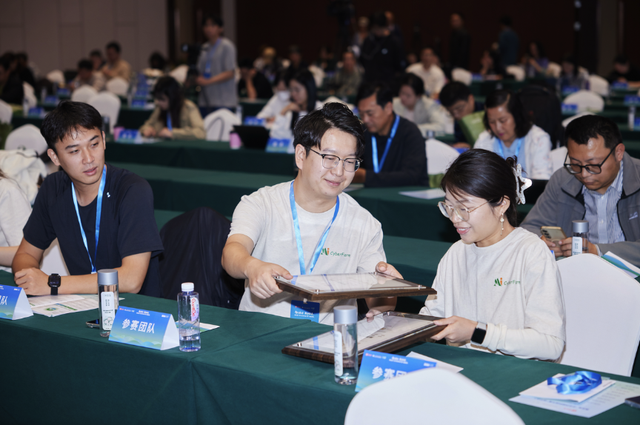 △ CyberFarmers team members sharing the joy of victory
The competition introduced a dual evaluation framework: consumer judges evaluated fruit texture, sweetness, and aroma, while industry and academic experts assessed commercial replicability and energy efficiency.
Despite entering the competition with little continuous hands-on experience in strawberry cultivation, CyberFarmers began their first bumper harvest on day 113 post-transplant.
Over the subsequent 50-day window, across 126 square meters of vertical growing area, the team harvested a total of 284.45 kg of premium “Fenyu No. 2” white strawberries, with individual fruits reaching up to 73.7 grams, sweeping first place in both expert scoring and consumer tasting.

 △ Strawberry desserts made with harvest produce during the consumer judging session
Their winning formula lay in an adaptive, “plant-centric” environmental control system.
Under their architecture, the entire plant factory was treated as a macro-assimilation chamber. By measuring net carbon dioxide exchange rates and metering condensed water return from dehumidification heat exchangers, the system dynamically inverted and inferred real-time crop canopy photosynthetic and transpiration rates, corroborated by canopy multispectral vision sensors tracking foliage development.
Feeding these phenotypic and physiological data streams into decision models allowed algorithms to iterate through strategy libraries, performing closed-loop micro-adjustments on lighting recipes, temperature/humidity gradients, and nutrient solution concentrations.
“No matter how high-end your hardware or software, if you can’t keep pests and diseases in check, it amounts to nothing. Plants are the ultimate judges that never lie; only crop physiological performance can validate system engineering,” emphasized Professor He Dongxian from the College of Water Resources and Civil Engineering at China Agricultural University, who served as a competition judge.
In recent years, the vertical farming industry across Europe and North America has faced a severe chill, with bankruptcy and debt restructuring rates reaching 80% to 90%. Why has heavy capital combined with top-tier industrial components struggled to birth a viable business model?
He Zhaohui, a core member of the second-place team “BioMimic,” pointed out: “The core issue is an excessive ‘tech-first’ mindset—getting intoxicated by sleek, high-tech industrial enclosures while overlooking the plant’s inherent biological boundaries.”
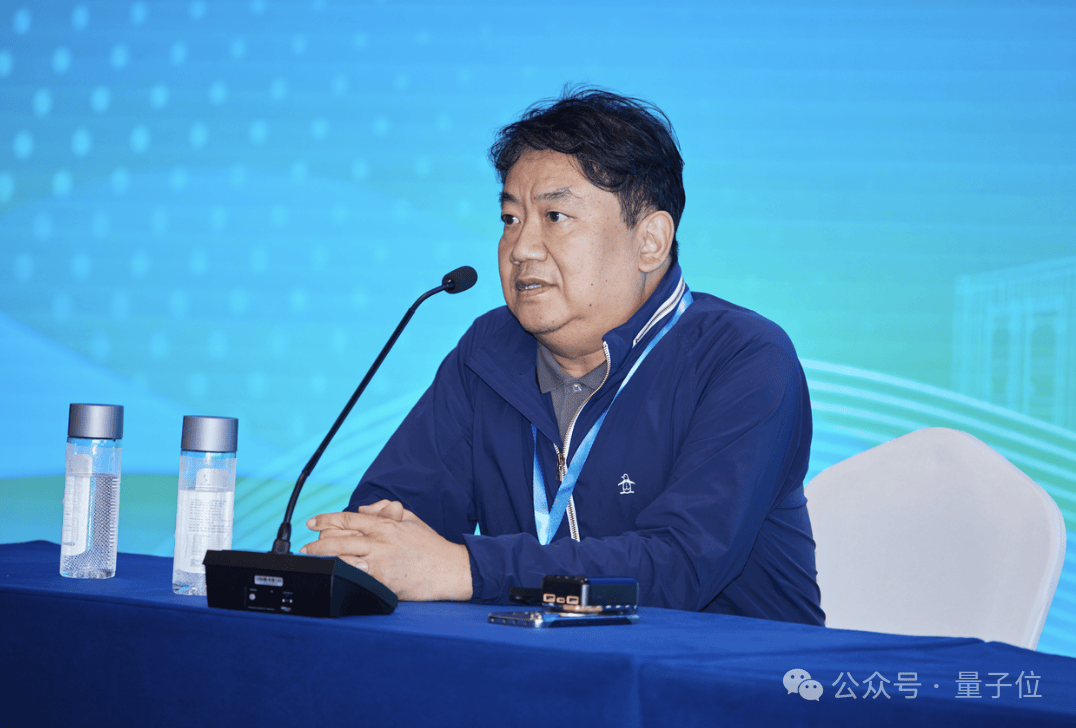 △ “BioMimic” team member He Zhaohui
“Agriculture is fundamentally about life, and strawberries have their own natural rhythm. Whether it’s automation equipment or deep learning algorithms, their purpose should be to empower and refine agronomic knowledge, not overshadow it. If you’re merely showing off technology while ignoring crop phenology, you’ve missed the mark from day one.”
This aligns directly with the competition’s ethos: let results speak, and use crop outcomes to reverse-calibrate engineering logic. As the initiator, Pinduoduo leverages its tech enablement resources to turn the competition into a testbed for technology transfer, granting young research teams end-to-end freedom to build their own systems.
“From design and construction to day-to-day operations, everything was entirely up to us; the organizers imposed no technical restrictions. That freedom allowed us to take models derived in the lab and test them unreservedly in actual production environments,” Lyu said.
“Before entering, I felt like almost no young people were working in smart agriculture.”
On university campuses, smart horticultural engineering remains a niche discipline. But competing alongside teams like CyberFarmers in the finals showed Lyu the vibrant energy of this interdisciplinary youth cohort.
“We might not be the mainstream yet, but finding fellow travelers on this path filled with the unknown and the scent of soil means everything.”
A single strawberry offered these young researchers a hands-on masterclass uniting algorithms, engineering know-how, and reverence for living organisms.
Inside the plant pods of the Duo Duo Smart Agriculture Competition, a new generation of growers is stripping away the hype, putting forward hard metrics on fruit quality and lifecycle energy balance sheets:
“How can malformed fruit rates be systematically driven down?”
“What is the break-even threshold per unit of cultivation area?”
“What concrete remediation protocols are deployed during sudden disease outbreaks?”
“Can the sugar-acid balance and volatile aromatic profile command a market premium?”
As industry inquiries and benchmark criteria grow more rigorous and grounded, agritech is finally stepping out of theoretical presentations and sinking its roots into the real soil.