
In just 24 days, its funding skyrocketed nearly 22x, and its valuation surged 37.5x.
The tech storm ignited by Jev has translated into cold, hard cash.

Just today, TypeSafe AI, the parent company of Jev, announced the closing of an $870 million (approx. ¥6.308 billion) Series A funding round at a post-money valuation of $7.5 billion (approx. ¥54.375 billion).
At the center of this explosive surge is an AI model that “can’t chat, but only makes decisions”—Jev.
Its path to virality was distinctly disruptive: it doesn’t chit-chat, it doesn’t write code, and when faced with a “yes or no” question, it might stubbornly choose “or.”
Put simply, it completely strips away the generative capabilities of traditional large language models (LLMs) to focus exclusively on one thing: making decisions.
What’s more, because its novel architecture slashed costs so dramatically that standard metrics barely applied, the company simply declared output tokens free forever, while input pricing was set at just $0.042 per million tokens (approx. ¥0.3).
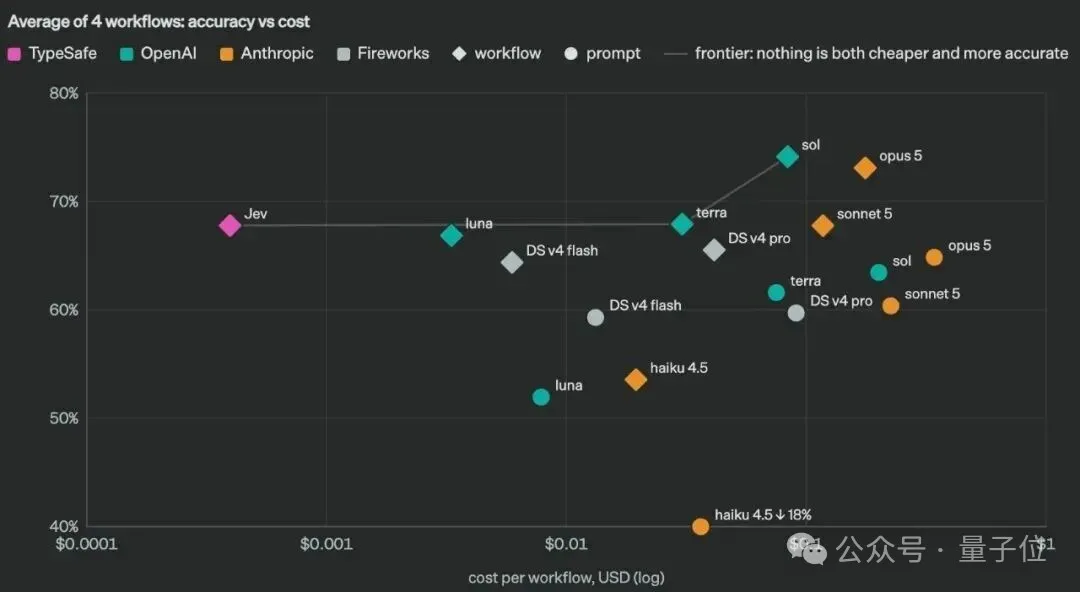 △ Safe to say, everyone’s “Flash” lightweight models pale in comparison.
Even more intriguingly, developers have already scrambled overnight to open-source a “Jev Chat Assistant.” Not only can it anticipate your boss’s underlying motives, but it can also pinpoint the real reason your partner is upset and generate a few perfectly measured responses for you to choose from:
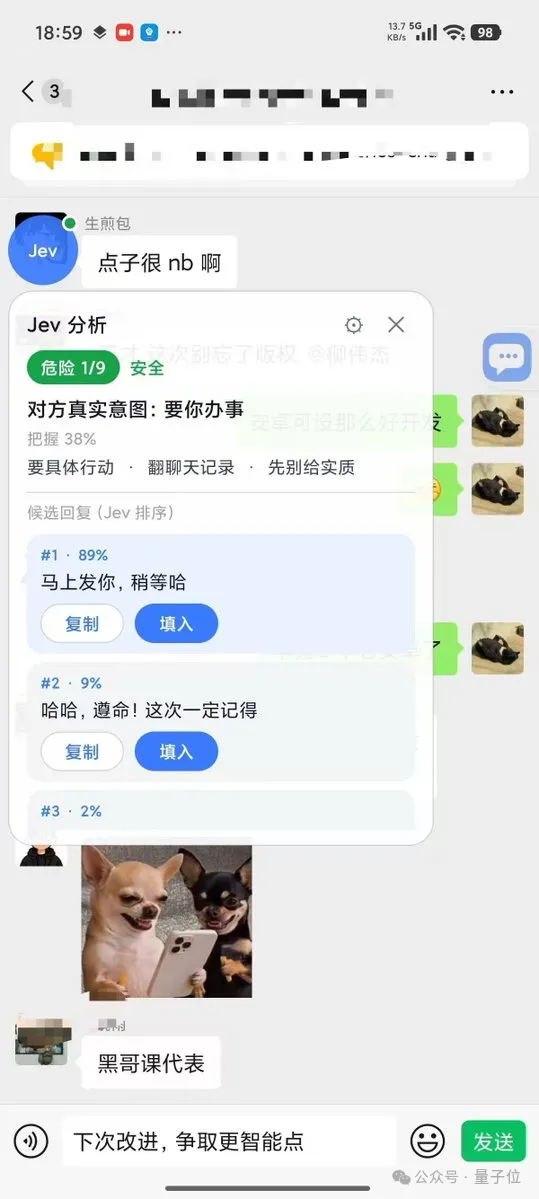 △ Source: X @Ian
This app genuinely showcases its immense real-world utility.
So, what is the story behind TypeSafe AI, the company that suddenly thrust itself into the Silicon Valley spotlight? And can this new category of “decision models” really succeed?
Here are the answers below. 
Two Years in Stealth, Overnight Sensation: Jev Wins Big Backing from Capital
Founded in 2024, TypeSafe AI is headquartered in San Francisco.
Before Jev’s breakout moment, the company operated largely in “stealth mode” within Silicon Valley’s AI circles.
Beyond having minimal industry buzz, even tweets posted by founder and CEO Diogo Almeida regularly hovered between single-digit likes and zero.
It wasn’t until September 15 this year that TypeSafe AI officially stepped into the limelight with Jev, its debut System One model, announcing a $40 million seed round at a post-money valuation of $200 million (approx. ¥1.45 billion).
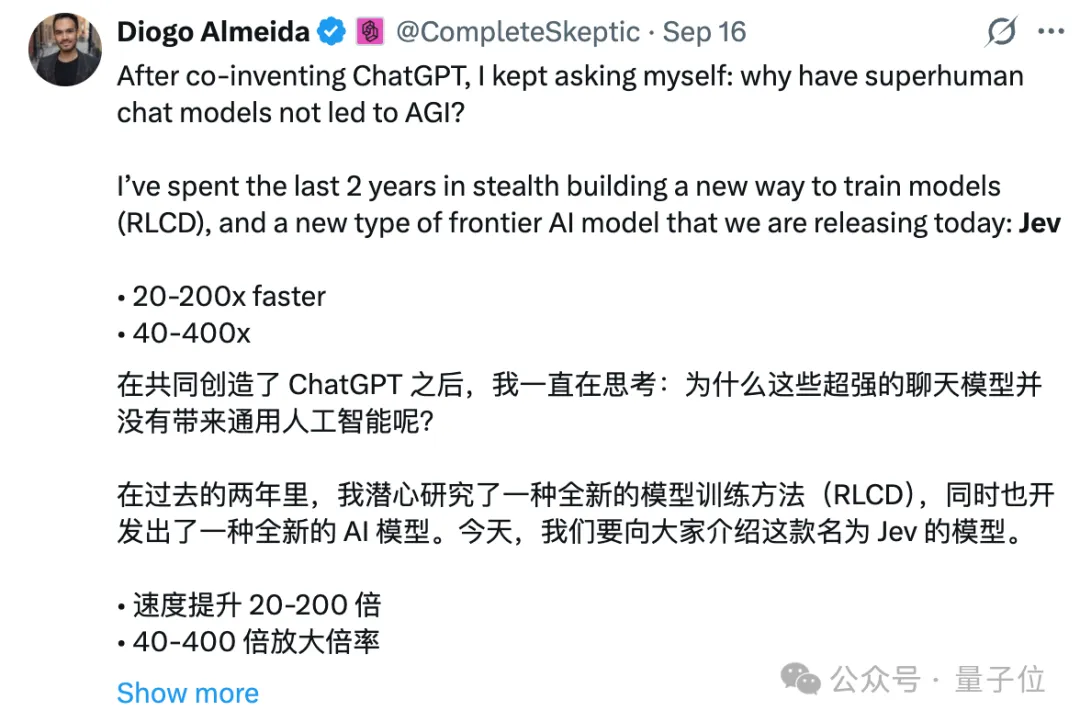
Now, with Jev rapidly going viral across the web, TypeSafe AI’s valuation has surged exponentially.
Top-tier venture capital firms including a16z, Sequoia Capital, and DCVC rushed to place heavy bets, propelling TypeSafe AI’s valuation to $7.5 billion (approx. ¥54.375 billion) in one fell swoop.


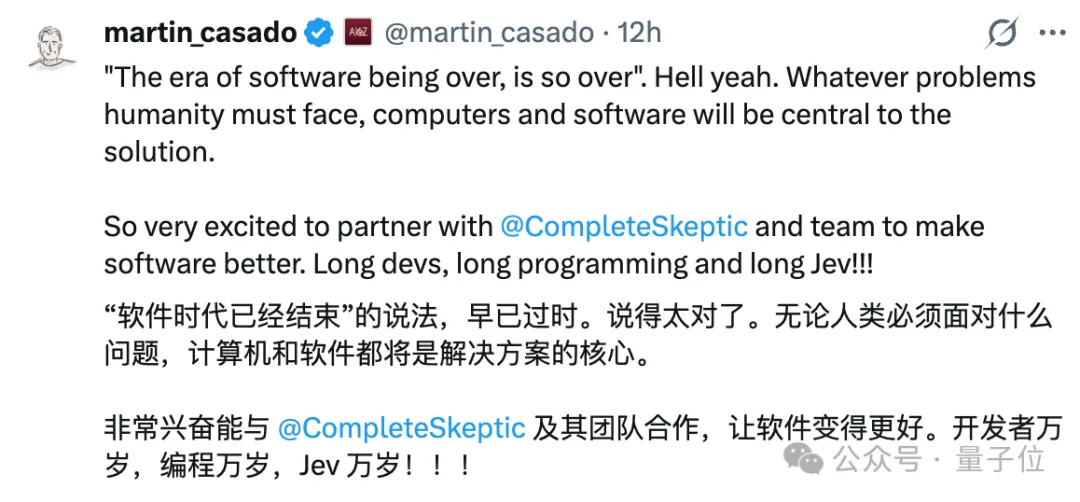
At the same time, a16z partner Martin Casado, widely regarded as the “godfather of infrastructure investing,” announced he is personally joining TypeSafe AI’s board of directors to help guide the company’s next strategic phase.
The sudden influx of capital wasn’t just fueled by the buzz surrounding Jev on social media; it was driven by the staggering growth in API calls across backend production systems.
Daily Throughput Tops 1 Trillion Tokens Just 3 Days After Launch
Data released by Vercel showed that within just 24 hours of Jev’s integration into AI Gateway, nearly 13% of paid teams adopted it. This adoption rate was more than double that of any previous model launch, setting the record as the fastest-adopted model in AI Gateway history.
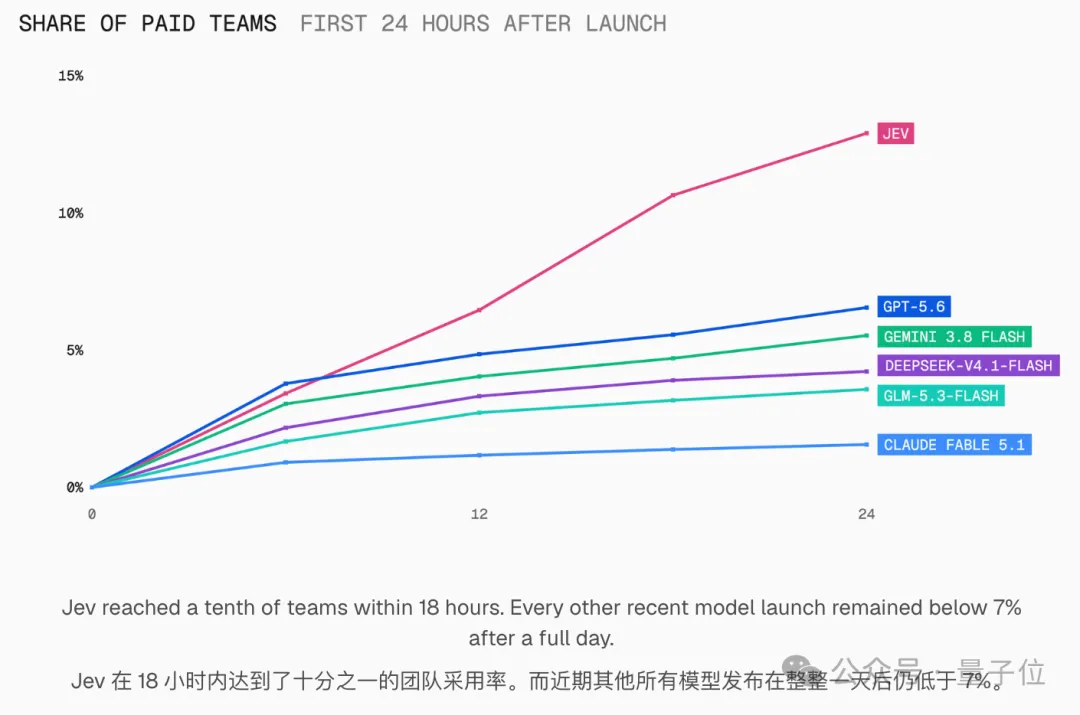 △ Source: Vercel Blog
Data disclosed by a16z echoed this explosive momentum: within just three days of launch, Jev’s token volume crossed the 1 trillion mark.
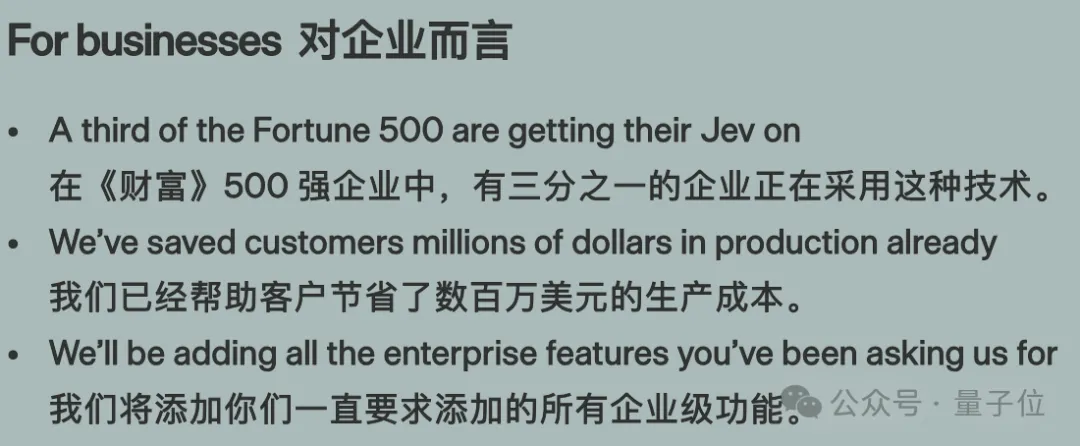
Alongside the Series A announcement, TypeSafe AI stated that approximately one-third of Fortune 500 companies have already begun using or integrating Jev, saving enterprise customers millions of dollars in production costs.
This dynamic differs fundamentally from the hype cycle of consumer-facing chatbots.
Traffic for chat tools largely relies on consumers’ novelty-seeking; after a few tries, enthusiasm often wanes. Jev’s primary workload, however, resides deep within infrastructure systems: once integrated into enterprise software, it runs continuously in the background 24/7, executing classification, scoring, and decision-making.
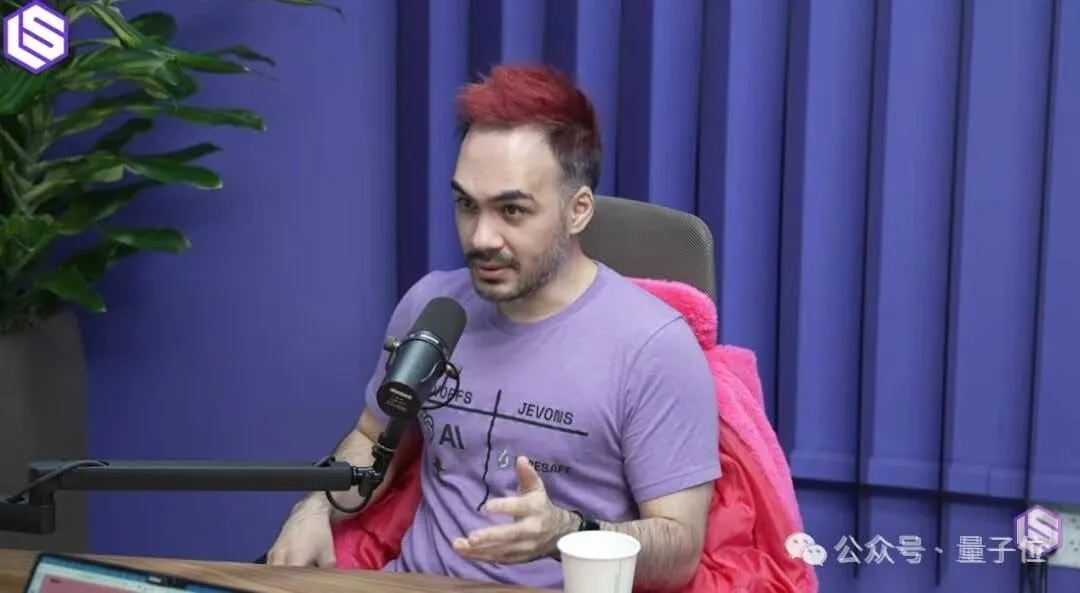
TypeSafe AI co-founder and CEO Diogo Almeida put it plainly in an interview on the Latent Space podcast:
Our daily throughput has already surpassed one trillion tokens, and this is by no means a fleeting peak—nighttime traffic continues to climb as well.
This proves conclusively that the vast majority of calls stem from automated systems running around the clock, not individual retail users kicking the tires.
Humans need rest, but automated code never sleeps.
This is precisely why investors are so thrilled.
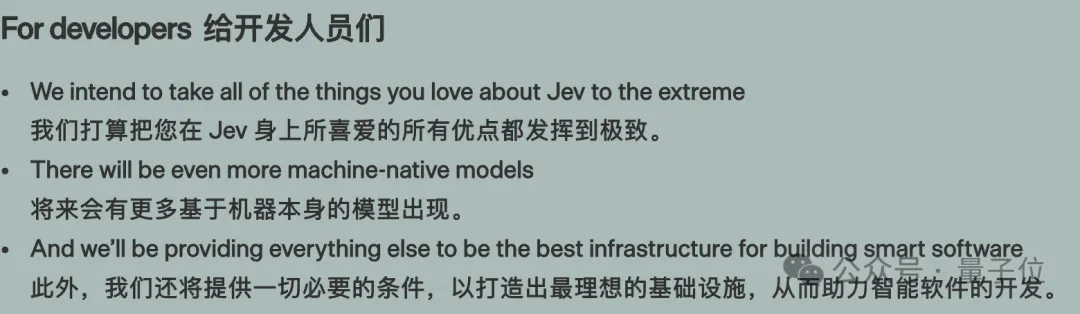
In its funding announcement, TypeSafe AI maintained its characteristically pragmatic, tongue-in-cheek tone. Steering clear of overblown grand narratives, the company stated clearly that its next step is to obsessively refine what developers actually need:
- Build more machine-to-machine native models;
- Refine the infrastructure required to build intelligent software;
- Ship the features enterprise customers are eagerly awaiting as soon as possible.
In response, many developers chimed in with high hopes:
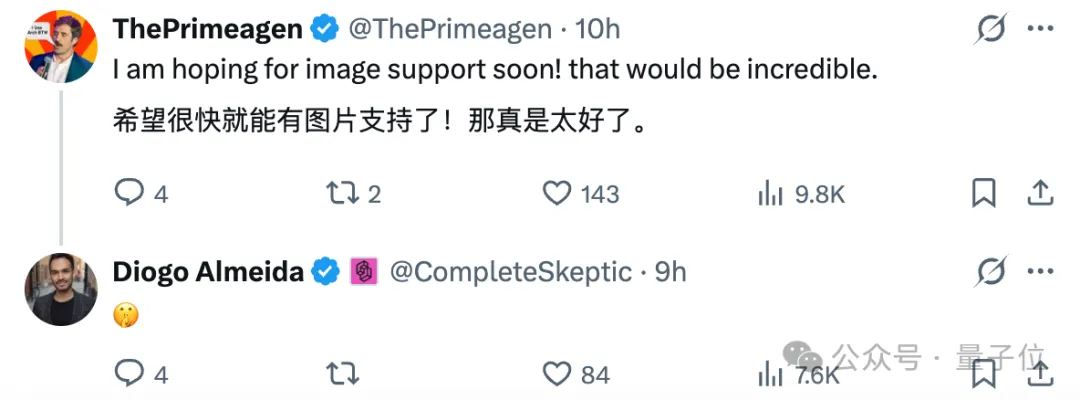
Could multimodal image support launch soon?
Diogo gave a telling response with a “shh  ” emoji, hinting that the team is already actively working on it.
Yet the most compelling character behind Jev is undoubtedly its founder, Diogo Almeida.
The Man Who Taught AI to Chat Now Forbids It from Speaking
TypeSafe AI co-founder and CEO Diogo Almeida previously worked at Google Brain and OpenAI. He was a core author of the seminal InstructGPT paper and deeply involved in the R&D behind RLHF, ChatGPT, and GPT-4.
In other words, he was among the key researchers who originally taught LLMs how to converse properly with humans.
Yet after leaving OpenAI to strike out on his own, he increasingly realized that the entire industry might have spent far too much energy on “teaching AI how to express itself.”
During the two years building TypeSafe AI, Diogo pondered one question repeatedly:
If models are already smart enough to draft long-form essays, write code, tackle complex reasoning, and potentially even solve Millennium Prize Problems;
Why is it that when deployed in real-world business workflows, most critical steps still require human review and remain far from full automation?
His ultimate conclusion was:
Current AI was trained primarily to be a “people-pleasing human assistant” rather than an engineering component that software systems can reliably invoke.
It excels at giving answers that sound good to humans, but it isn’t built to be buried deep in system backends, handling millions of automated requests every day.
This is also the origin of TypeSafe AI’s iconic slogan:
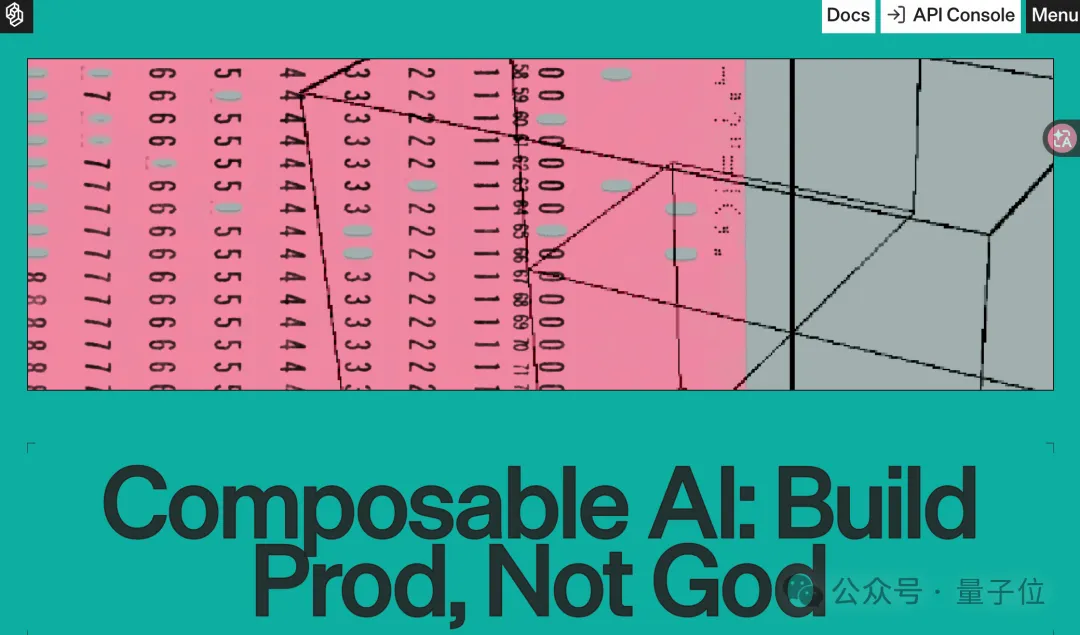
Build Prod, Not God.
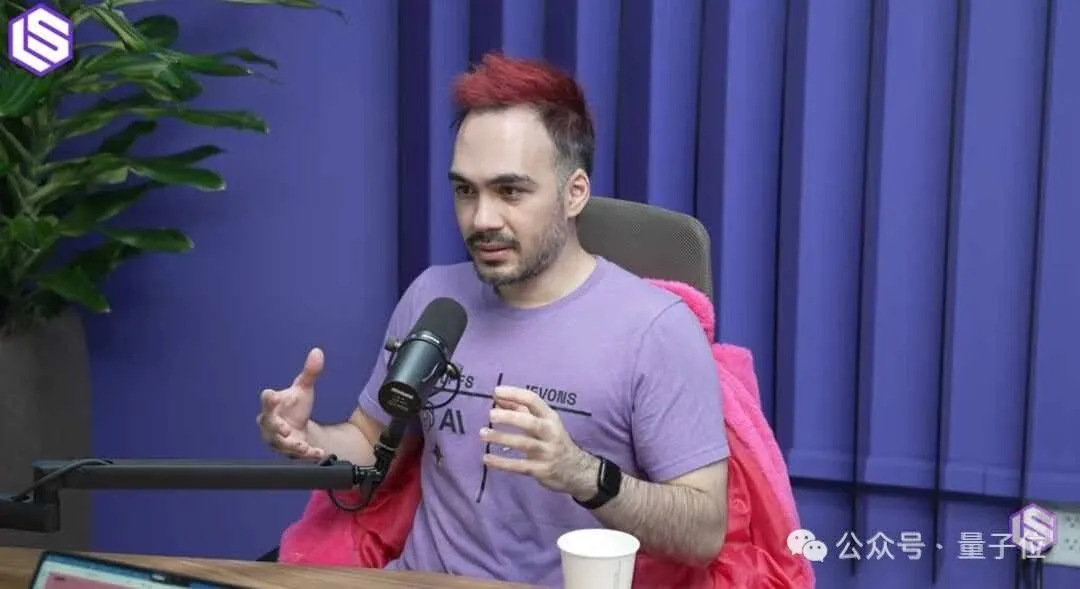
Diogo is equally dismissive of the industry’s obsession with benchmark leaderboards, candidly noting in an interview:
Public benchmarks are notoriously easy to overfit and game. Even if a team has no subjective intent to cheat, it’s all too easy to be led astray by the metrics.
In the past, our refusal to play the benchmark game did lead to misunderstandings and the cold shoulder from some investors, but I still stand firmly by this philosophy.
Therefore, when Jev officially debuted, Diogo didn’t showcase standard benchmark scoreboards claiming to “crush the competition.” Instead, he demonstrated Jev’s practical application scenarios and invited developers to integrate it into their production workflows to evaluate its real-world engineering efficacy.
TypeSafe AI was by no means thrown together hastily around a catchy slogan.
Its other two co-founders bring equally formidable backgrounds: COO Sasha Sheng hails from Meta/FAIR, where she led AI algorithms and product engineering for News Feed; CTO Erik Gafni is a seasoned serial entrepreneur who founded Ravel, a multimodal AI company in DNA sequencing, and served as an early core engineer at biotech unicorns Invitae and Freenome.
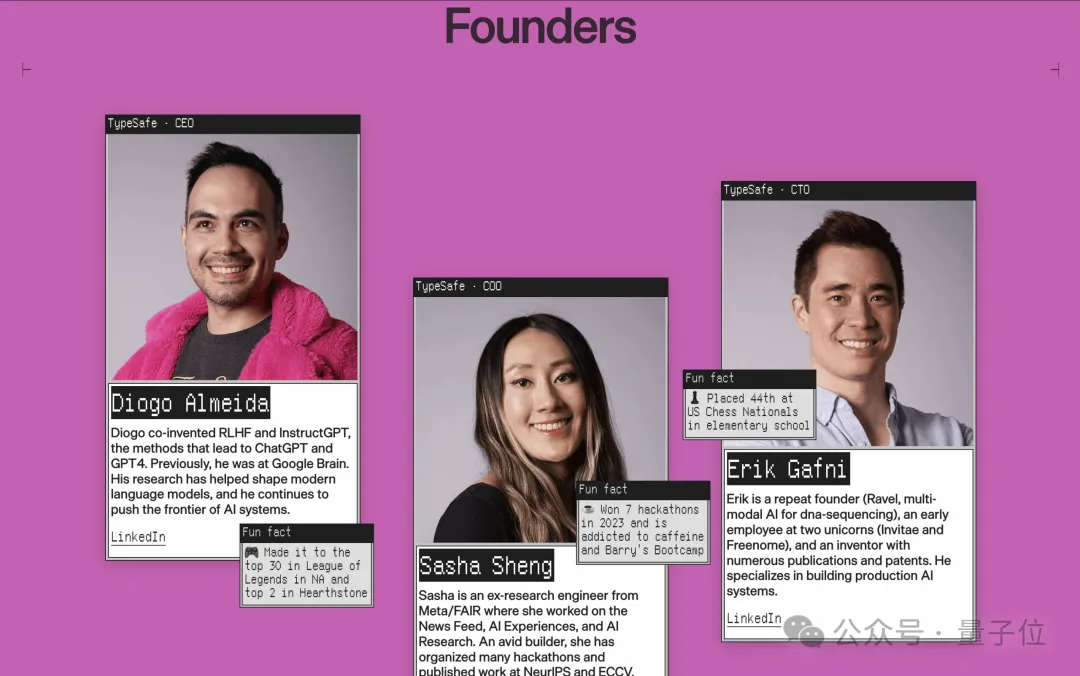
Other team members also bring technical firepower from leading tech labs such as OpenAI, Google Brain, and Meta/FAIR.
Their shared bet diverges sharply from the mainstream narrative of “relentlessly stacking larger parameter counts”: AI’s underlying comprehension capabilities may already be in surplus; what is genuinely missing is a system interface that engineering software can reliably integrate and interface with.
Jev’s breakout success has shown Diogo—and the wider AI industry—the massive appetite for this new paradigm of models.
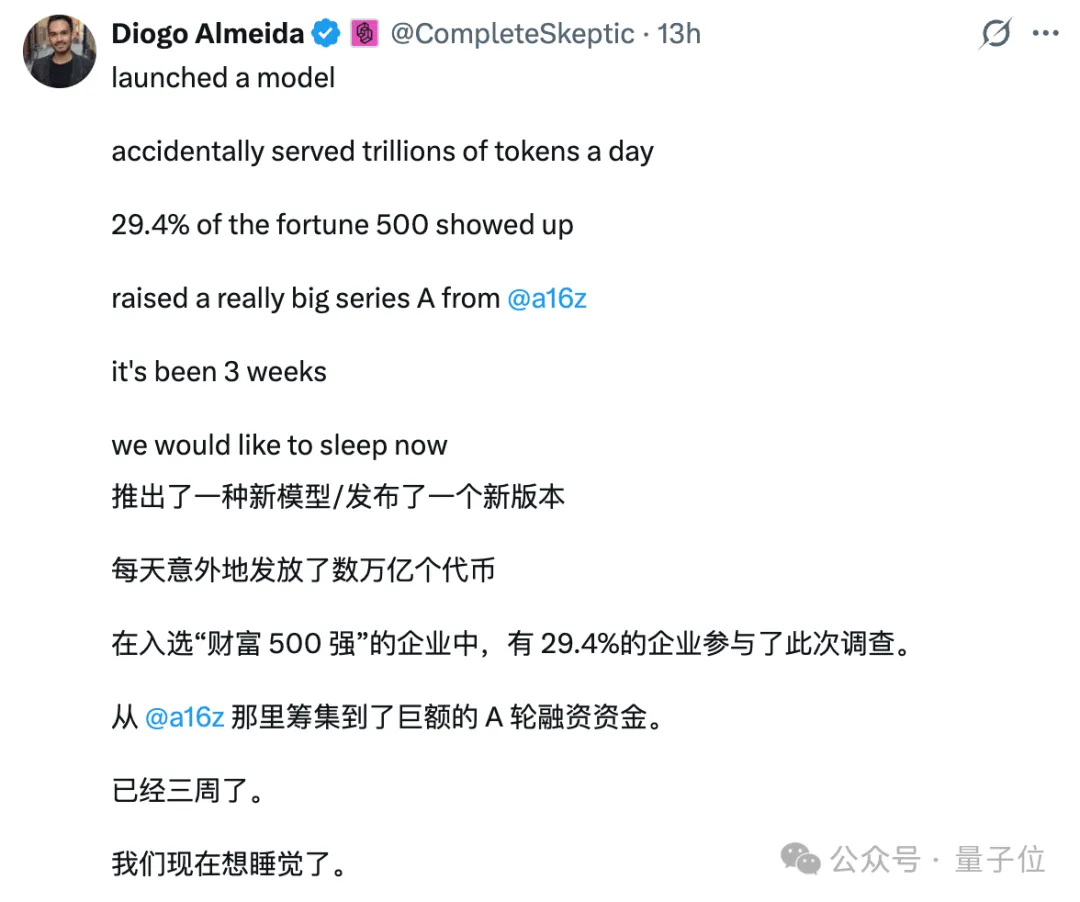
Following an intense launch cycle, Diogo posted late at night on X:
Burning through over a trillion tokens a day, haven’t slept for three straight weeks—we desperately need to catch up on sleep…
Yet industry competitors are clearly not going to give them much room to breathe.
One More Thing
Just two hours after Diogo announced the fundraise and joked about catching up on sleep, Microsoft Chairman and CEO Satya Nadella jumped into the fray with their own decision model, Microsoft-Decision-1.
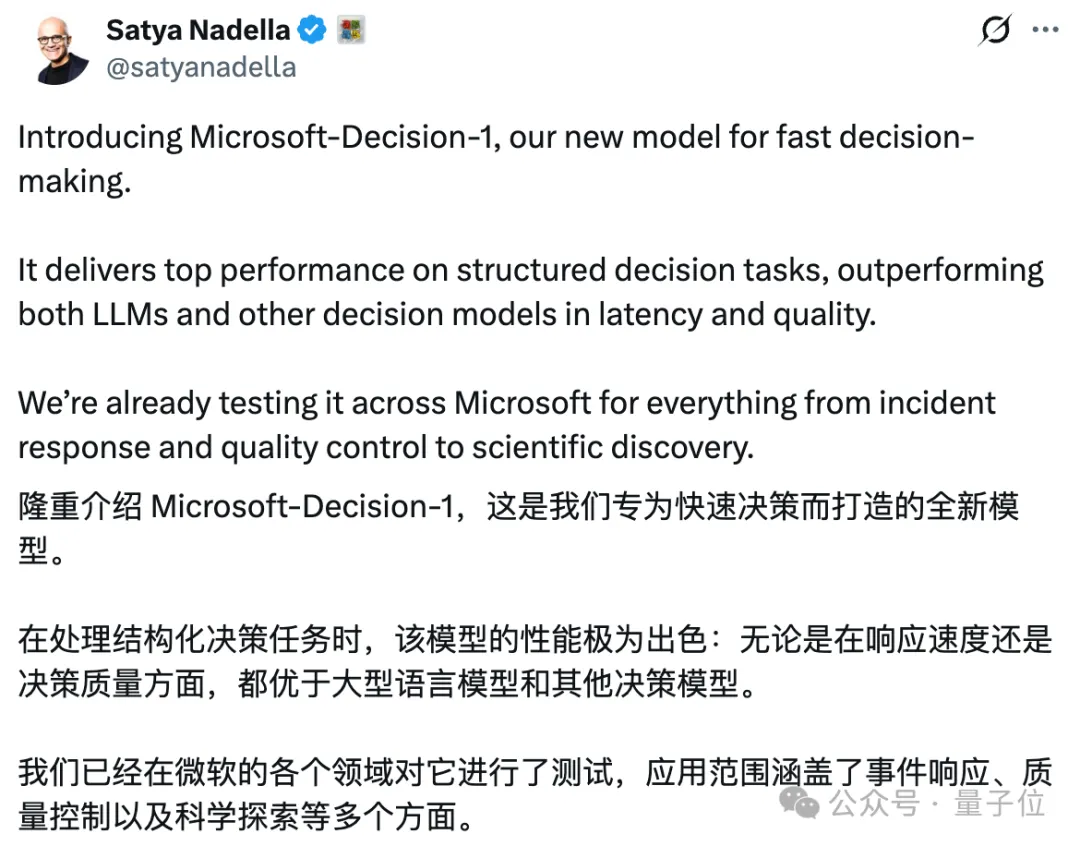
Post-trained on Qwen3.5-9B, the model specializes in request routing, data classification, prioritization, logic verification, and workflow orchestration;
When presented with preset options, it outputs confidence probabilities for each decision, offering full support for binary yes/no choices, multiple-choice determinations, numerical scoring, and automated QA for AI responses and agent behaviors.
Its product positioning and architectural philosophy mirror Jev almost identically.
OpenAI, naturally, wasn’t about to fall behind in this emerging race—its moves have been even faster.
On October 6, that is