
390,000! Lei Jun Unveils Xiaomi’s Most Expensive SUV
Former Tesla factory director Song Gang makes his first appearance after joining
Jessica reporting from Sidecar Temple
Smart Car Reference | Official Account AI4Auto
Xiaomi’s most aggressive SUV yet, the YU7 GT, which just broke the Nürburgring record, is now on sale for 390,000 yuan.
0–100 km/h acceleration in 2.92 seconds, top speed of 300 km/h, maximum output of 1,003 horsepower, and a Nürburgring lap time that demolished the previous leader by 14 seconds……
The kind of performance you’d normally only see in a sports car is now on a Xiaomi vehicle. Lei Jun calls it a “pure, authentic GT.”
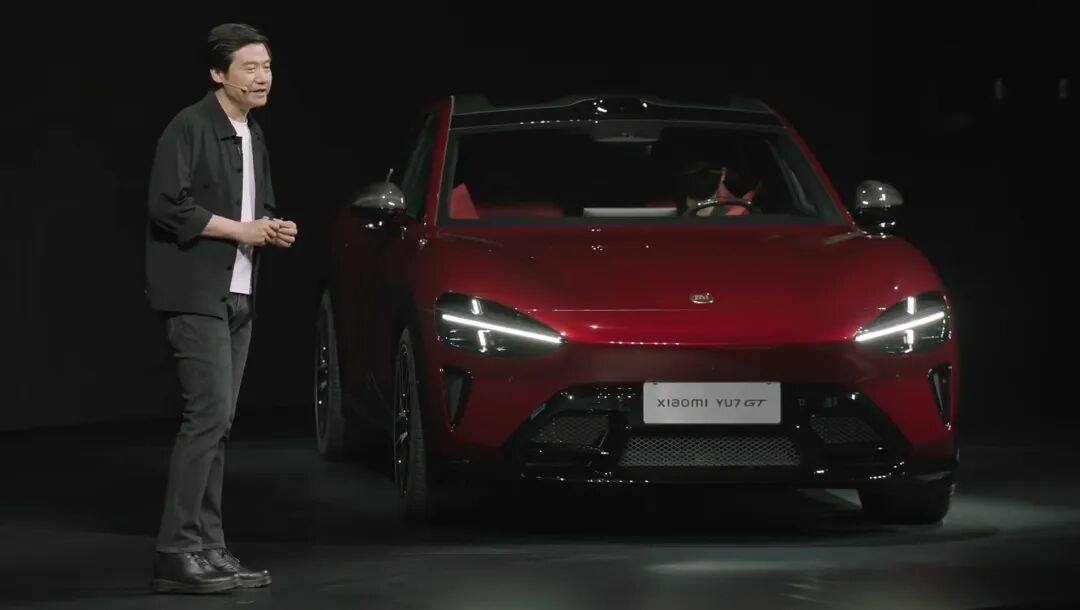
In addition to this sports car-level SUV, the YU7 also launched a YU7 Standard Edition this time—
That’s right: Lei Jun made it clear this is not a youth edition, not a stripped-down edition, not a cut-down edition, but the genuine standard version that had originally been removed.
As for the price, it’s 233,500 yuan, which is another 30,000 yuan lower than the Model Y starting price.
Alright then — Musk had barely left, and Xiaomi is already going on the offensive.

0–100 km/h in 2.92 Seconds, Nürburgring’s Fastest SUV Goes on Sale
The Xiaomi YU7 GT is officially defined as a “sports car-grade SUV for long-distance travel,” and it’s also what Lei Jun calls a “pure, authentic GT.”
The term GT itself comes from the Italian Gran Turismo, meaning “grand touring.”
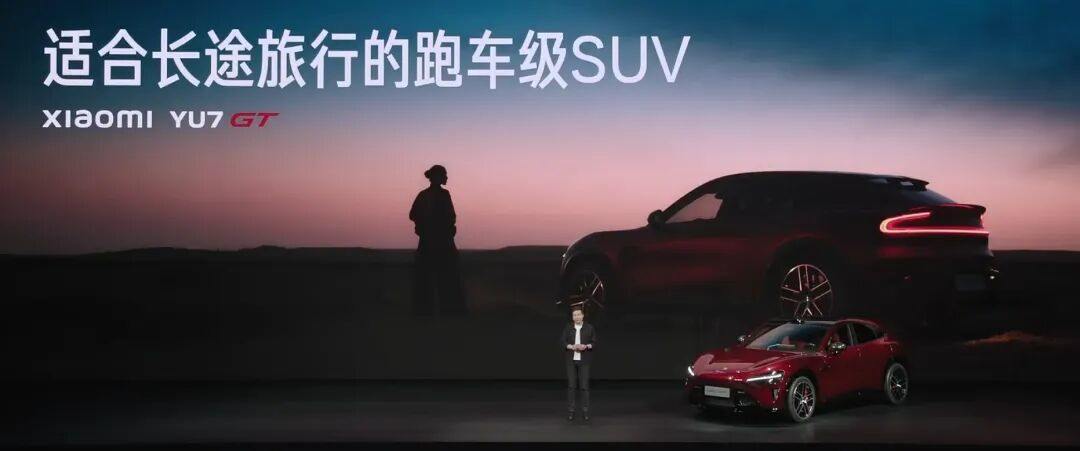
Given that Xiaomi is calling it a “sports car-grade SUV,” performance is clearly the YU7 GT’s biggest selling point.
On the powertrain side, the YU7 GT delivers a total system output of 738 kW, a maximum of 1,003 horsepower, and peak torque of 1,200 N·m.
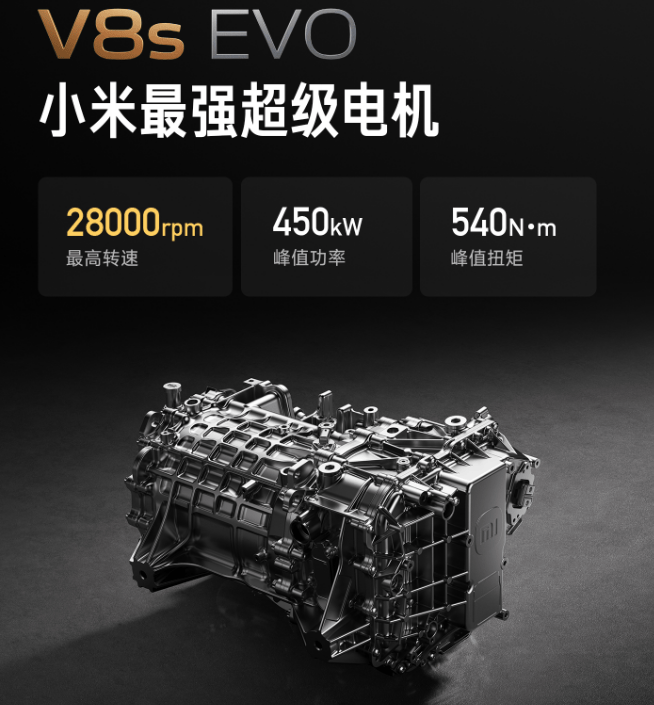
The new car comes with a dual-motor all-wheel-drive system, with a V6s Plus front-drive motor at the front and Xiaomi’s next-generation Super Motor V8s EVO making its debut at the rear.
The V8s EVO Super Motor is a fully upgraded evolution of the V8s, with maximum speed increased to 28,000 rpm, power up 5.9%, and overall efficiency up 0.5%. It is touted as one of the most powerful drive motors in the world in terms of overall performance.
The new car does 0–100 km/h in just 2.92 seconds and has a top speed of 300 km/h.
Its braking system is shared with the Xiaomi SU7 Ultra, using Akebono six-piston front calipers paired with the largest carbon-ceramic brake discs in its class.
The shortest 100 km/h braking distance is 32.9 meters, braking from 180–0 km/h shows no fade over 10 consecutive stops, and it can handle two consecutive extreme stops from 300–0 km/h.
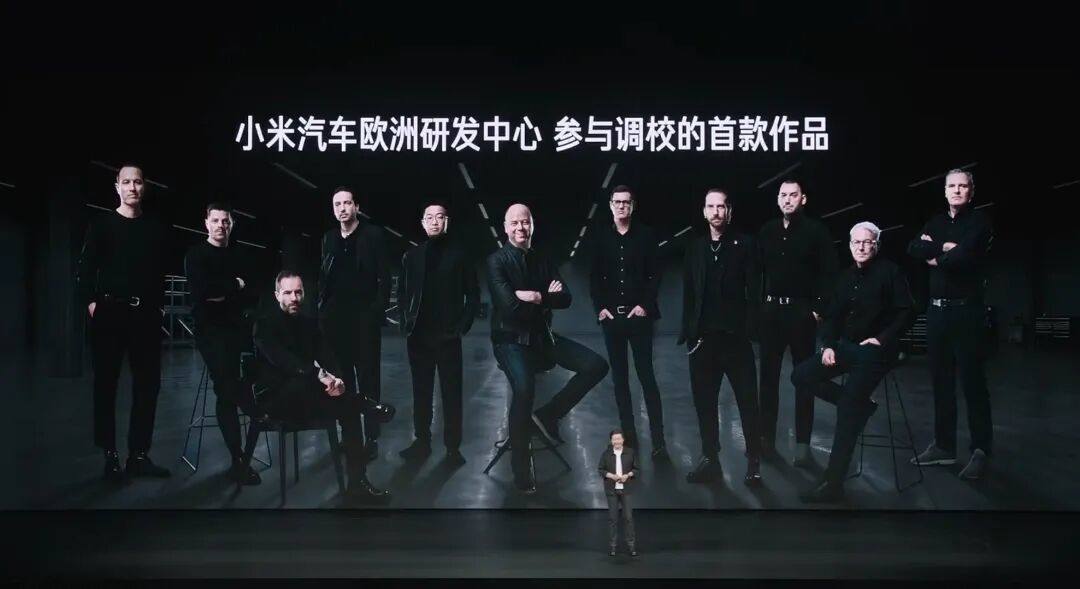
In terms of chassis and handling, the YU7 GT features Xiaomi’s Jiaolong Chassis Master Edition, and it is the first car deeply tuned with the involvement of technical experts from Xiaomi Automobile’s European R&D Center.
The hardware includes dual-valve CDC continuous damping control shock absorbers and a closed dual-chamber air suspension. Both stiffness and ride height can be adjusted quickly, allowing it to work with multiple drive modes and handle a wider range of road conditions.
The new car is also equipped with an eLSD electronic limited-slip differential—a racing-derived technology that can detect wheel slip in milliseconds and send power to the wheel with more grip, improving cornering speed and wet-road performance.
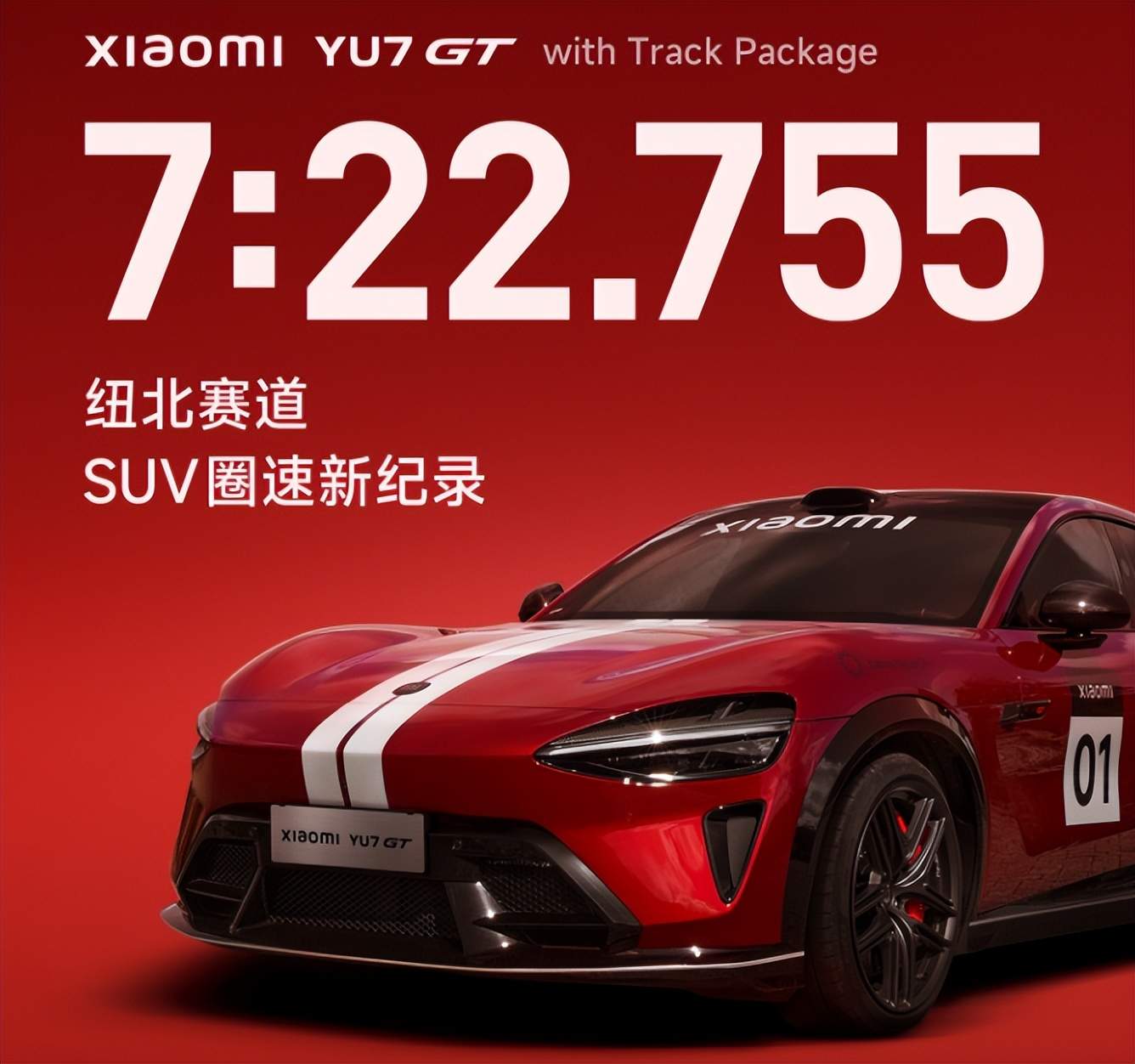
Before the official launch event, the YU7 GT had already broken the Nürburgring SUV lap record with a time of 7:34.931, but at the event itself, that result was beaten again—
The fastest time now stands at 7:22.755, making it not only the fastest SUV in Nürburgring history, but also 14 seconds ahead of the runner-up.
Of course, beyond handling and performance, the YU7 GT’s position as the most expensive model in the lineup clearly isn’t just about these specs.
YU7 GT + Standard Edition Launch Together
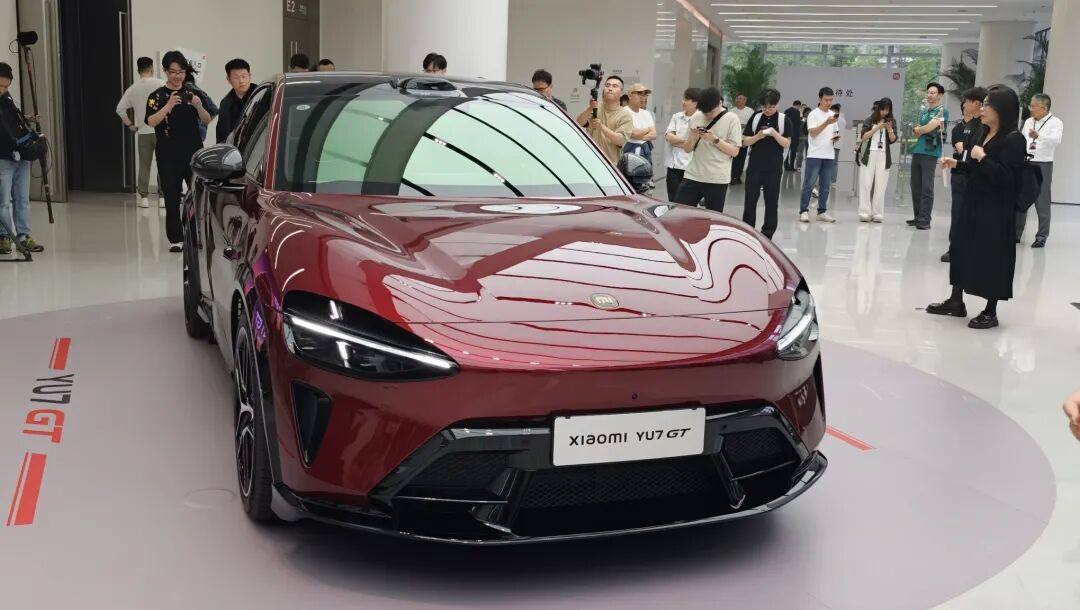
Starting with the exterior, the YU7 GT comes in five colors. Lei Jun’s top recommendation is Cherry Red, and there’s also an exclusive Obsidian Black paint option.
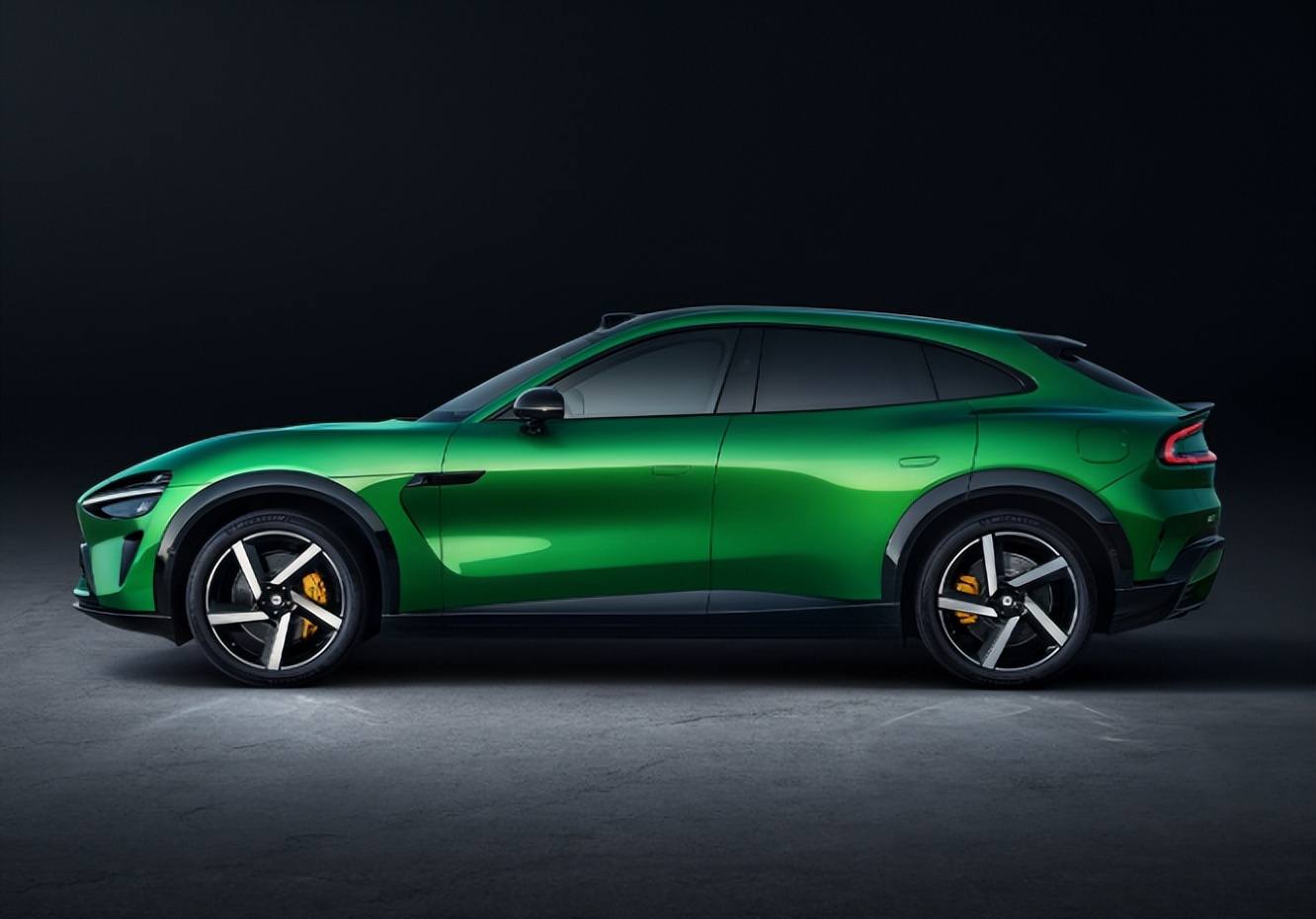
Its styling continues the YU7 family design, with a coupe-SUV fastback silhouette and a lower, more planted stance than the regular YU7.
The front bumper has been redesigned, with a new large front splitter and multiple large ventilation openings.
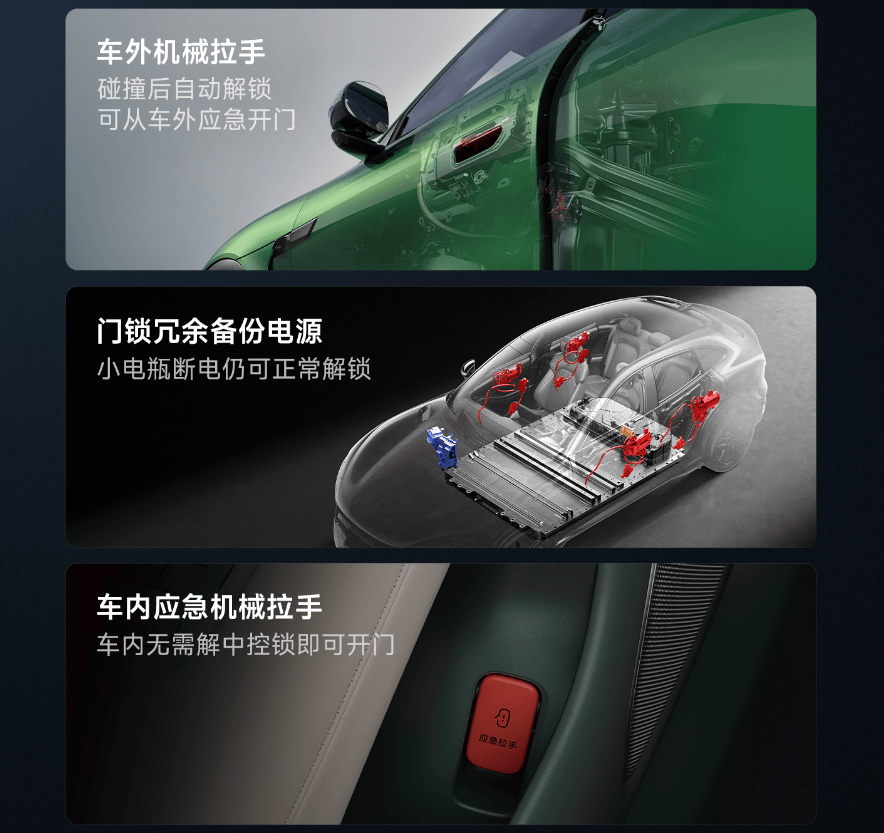
The door handles also feature a triple-redundant safety design: an exterior mechanical pull handle that unlocks automatically after a collision, allowing emergency opening from outside; a redundant backup power supply for the door locks, ensuring normal unlocking after a collision; and an interior emergency mechanical handle, allowing the door to be opened from inside without unlocking.
Inside, the front headroom is 100 mm, rear headroom is 77 mm, and rear knee room is 73 mm.
The driver’s seat has been upgraded to 18-way electric adjustment, with electric adjustment for lumbar support, leg rest, seat cushion length, side bolsters, and seat cushion side bolsters. The rear seats support infinitely variable 132-degree adjustment, plus ventilation, heating, and massage.
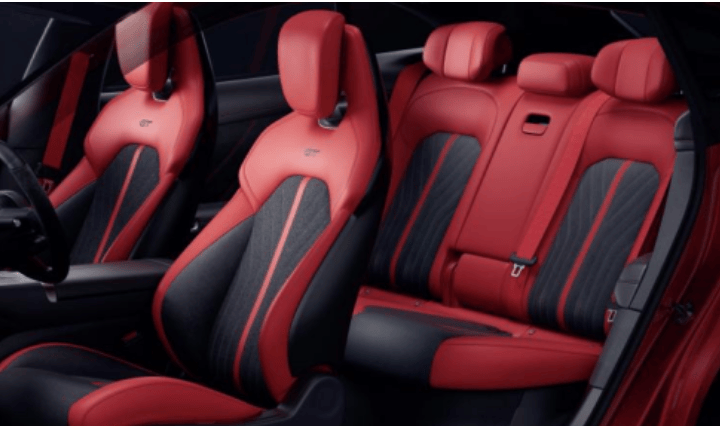
The trunk offers 660 L of space, expanding to 1,740 L with the rear seats folded down, and the front trunk has a capacity of 141 L.
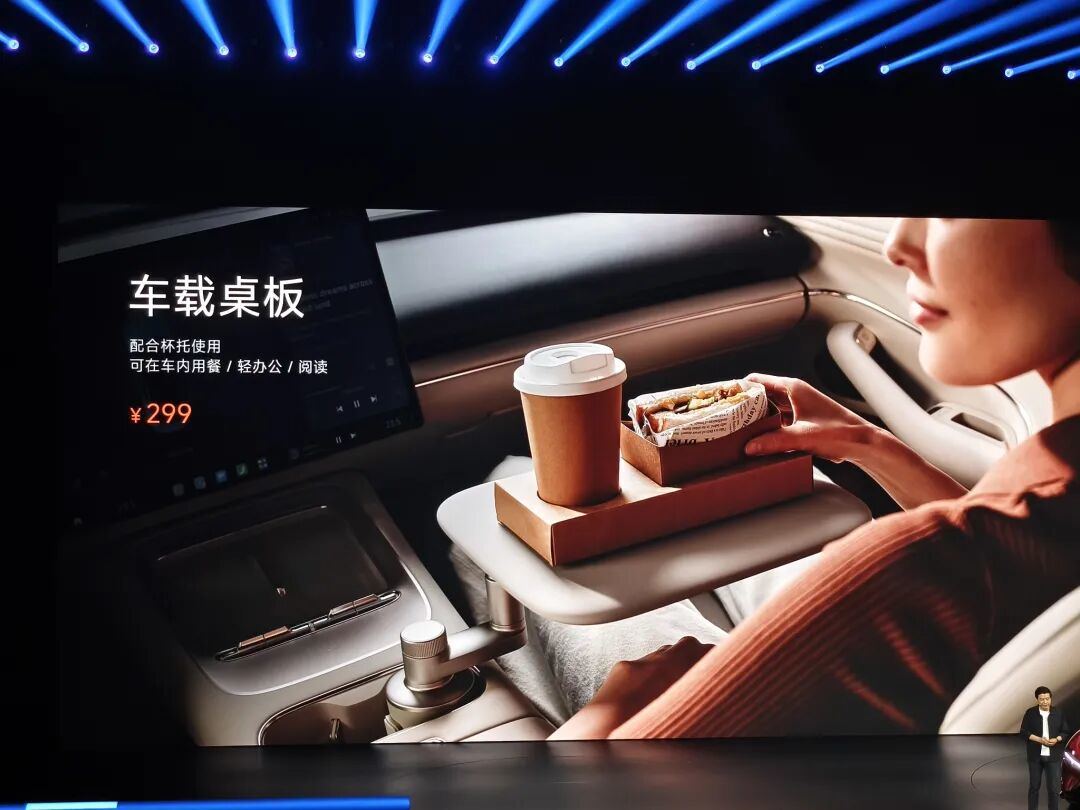
Also, Xiaomi cars now get a folding table.
As for range, the YU7 GT is built on an 897V silicon-carbide high-voltage platform and uses a ternary lithium battery. It comes with a 101.7 kWh battery pack and supports a maximum 5.2C charging rate, with a CLTC range of 705 km—a rare figure for a GT with over 1,000 horsepower.
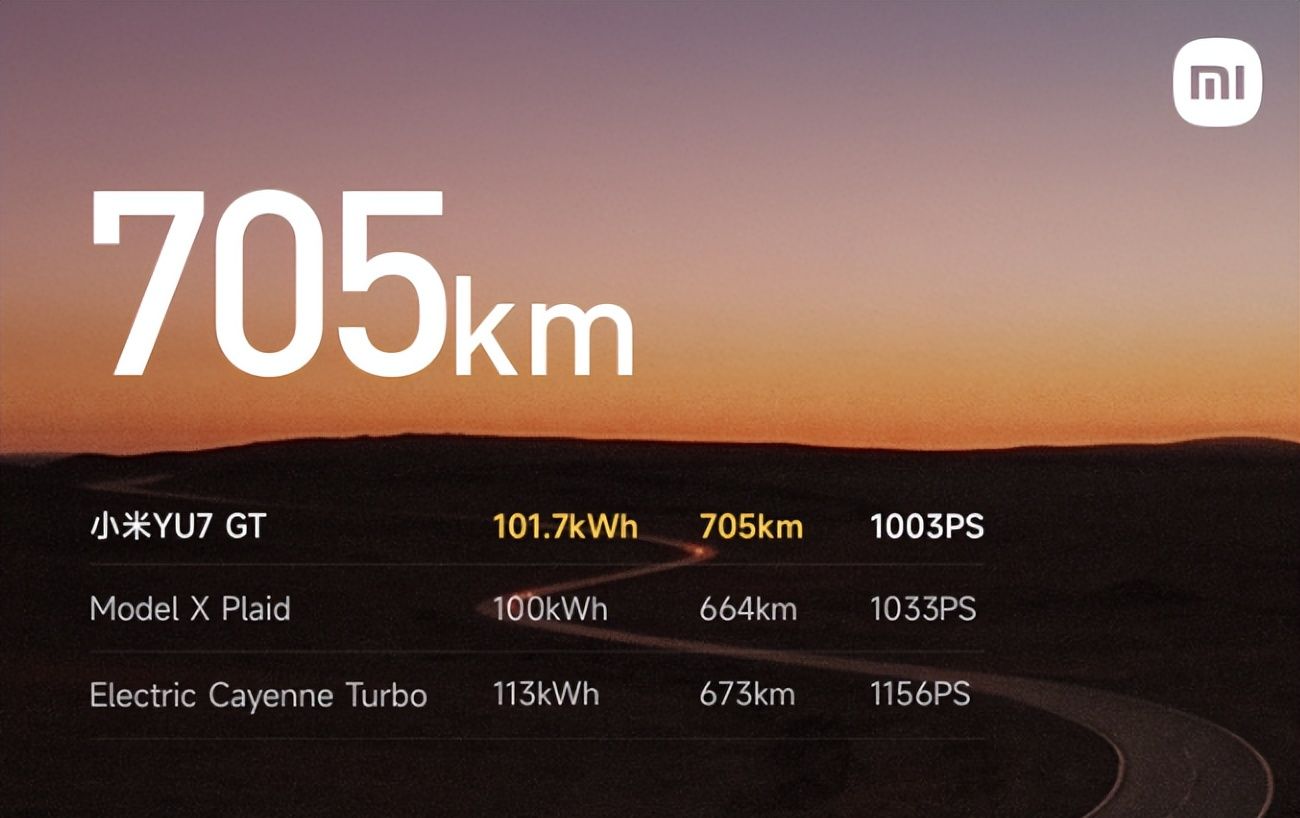
To achieve this, the YU7 GT has optimized energy consumption across the entire vehicle, with battery-to-wheel energy transfer efficiency reaching as high as 94%. In addition, the new model adds a front motor disconnect mechanism, significantly reducing energy consumption.
On the intelligent side, the YU7 GT comes fully loaded with assisted driving hardware, including the 700 TOPS NVIDIA Thor chip and lidar, plus the latest HAD system and Xiaomi’s XLA cognitive large model.
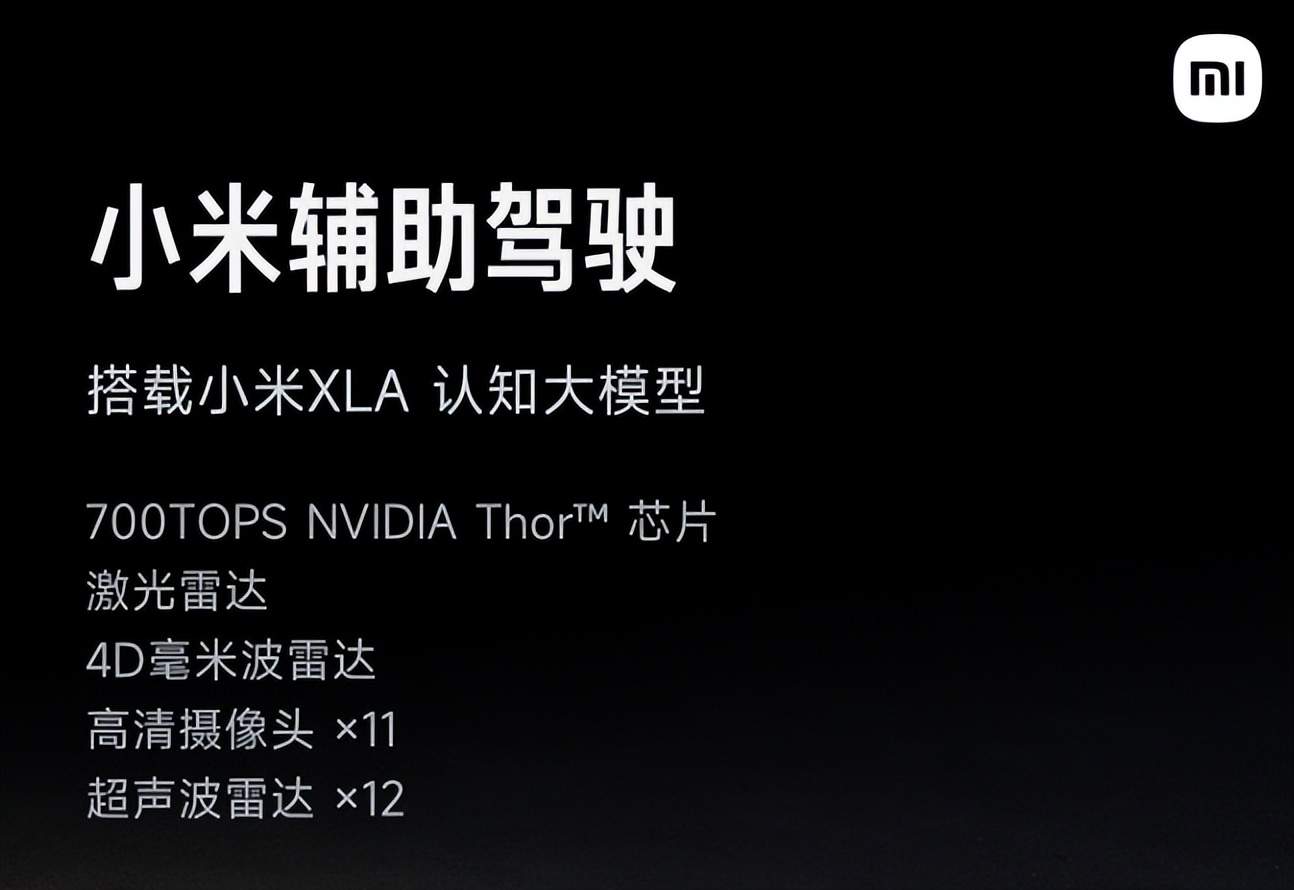
Specifically, it supports full-scenario assisted functions such as highway navigation, city navigation, and automatic parking. Recently, the entire YU7 lineup also gained an external voice parking-out function.
In the cabin, the GT features Xiaomi HyperOS Smart Cockpit, supporting five-screen interaction across the vehicle.
On safety, the YU7 GT comes standard with 25 safety-assist features. AEB supports forward speeds from 1–135 km/h and reverse speeds from 1–30 km/h, while AES supports up to two consecutive lane changes.
In addition, the new car is equipped with unintended acceleration suppression assist, ultra-high-speed dangerous driving alerts, driver fatigue monitoring, and more.
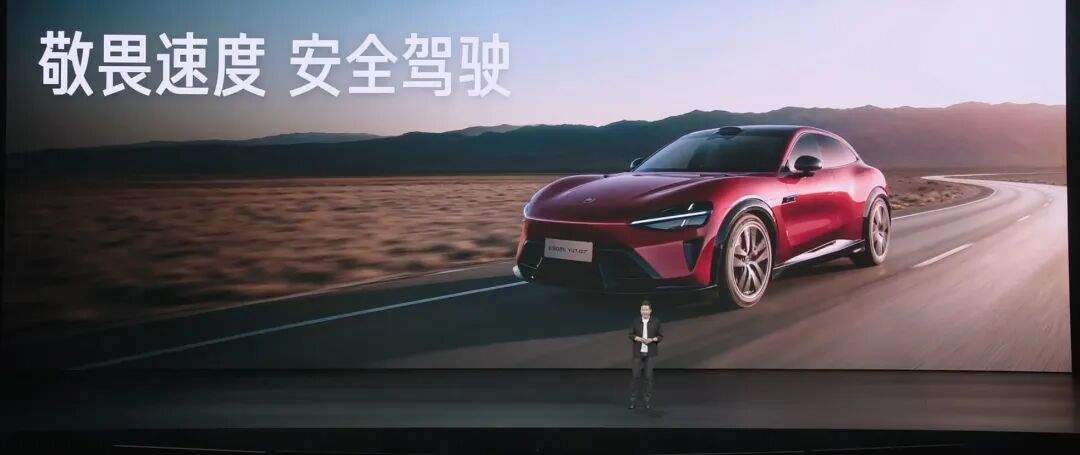
Finally, the price: as the top version in the YU7 lineup, it starts at 389,900 yuan.
If you check every available option, the fully loaded price comes to 429,900 yuan.
With that, the YU7 lineup now has five versions……that’s right, besides the YU7 GT, Xiaomi also introduced a new car today: the lowest-priced Standard Edition in the lineup.
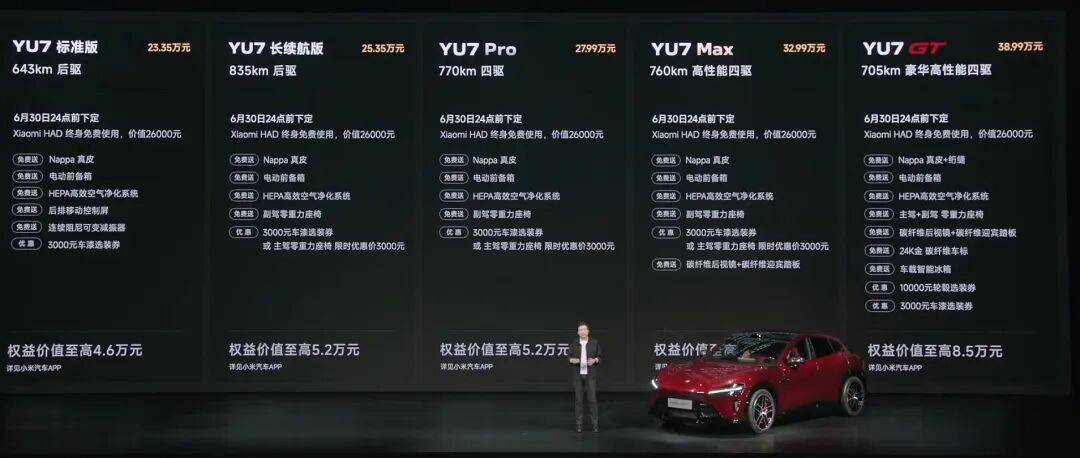
This “Standard Edition” is actually a newly opened product line; what used to be called the “Standard Edition” has now been renamed the “Long Range Edition.”
A quick look at the YU7 Standard Edition: 0–100 km/h in 5.9 seconds, maximum output of 320 PS, top speed of 220 km/h, and CLTC range of 643 km.
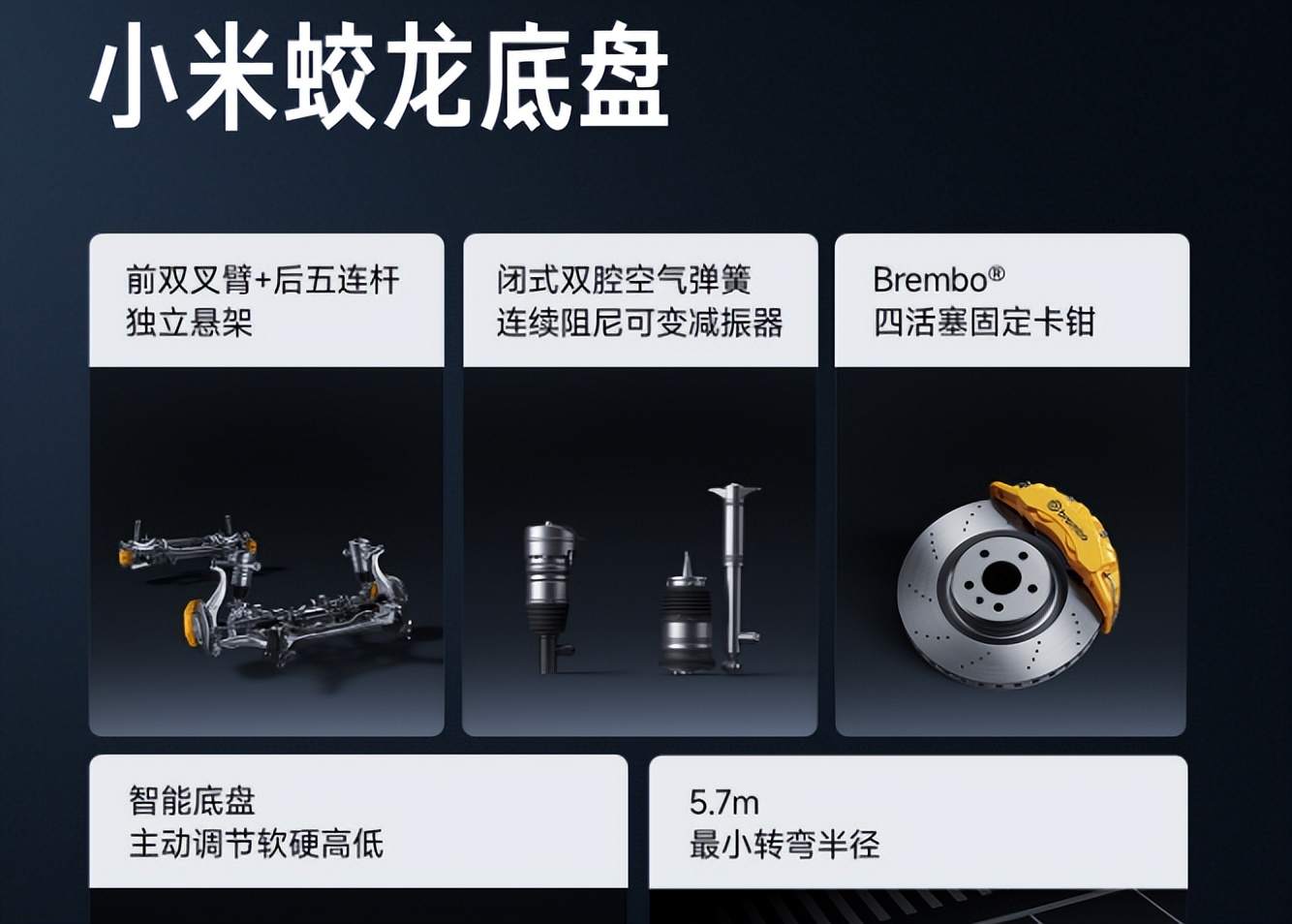
It comes standard across the lineup with Xiaomi’s Jiaolong Chassis, using a closed dual-chamber air suspension, continuously variable damping shock absorbers, a front double-wishbone and rear five-link suspension, and four-piston fixed calipers. The minimum turning radius is just 5.7 m.
The Standard Edition also comes with a 73 kWh lithium iron phosphate battery and a 752V silicon-carbide high-voltage platform. With a CLTC range of 643 km and 405 km of range added in 15 minutes of fast charging, it’s more than enough for daily city commuting.
As for why Xiaomi removed it and then brought it back, Lei Jun revealed that this version was actually cut at the very last minute before the previous launch event in order to simplify the product lineup.
But later, he heard a Tesla owner say that 500 to 600 km of city commuting range is actually enough. That made him realize something:
When users don’t need that many features or that much capability, we end up looking a bit expensive. It seems canceling the Standard Edition last year was the wrong decision. We took the high-cost Long Range Edition and went up against Tesla’s entry-level model, and we simply couldn’t win.

So Lei Jun said, “Today, Xiaomi is bringing back the real Standard Edition and challenging the Model Y once again.”
One More Thing
Former Tesla Gigafactory factory director Song Gang appeared on camera for the first time after joining Xiaomi.
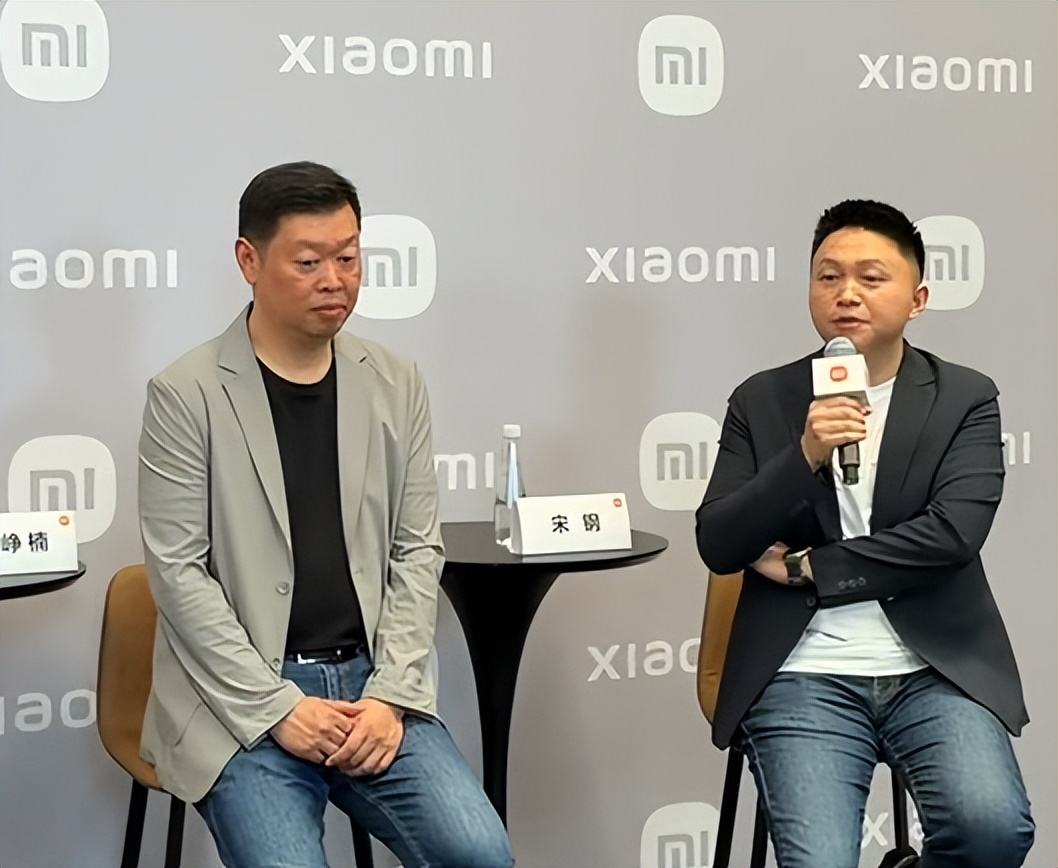
Lei Jun revealed that it took “a year and a half of convincing” to get Song Gang to join.
Song Gang also explained why he chose Xiaomi: “I think Xiaomi is very much like Tesla, whether in culture or in its pursuit of excellence and technology.”