
Participate in the 2026 AI Engineering Survey and you’ll receive over $2,000 worth of credits, plus an AIE WF ticket!
From the product side, everyone is building Computer—Perplexity, Manus, Cursor, and more. At the same time, on the research side, agent benchmarks like TerminalBench and GDPVal also assume a computer by default (Harbor). Across both fronts, the LLM OS tech stack now taking shape has become the standard toolset, and Daytona is one of the few AI infrastructure companies growing rapidly as a result.
“The end of localhost” is a direction Ivan Burazin has been relentlessly pursuing for more than a decade.
This is something everyone knows all too well...
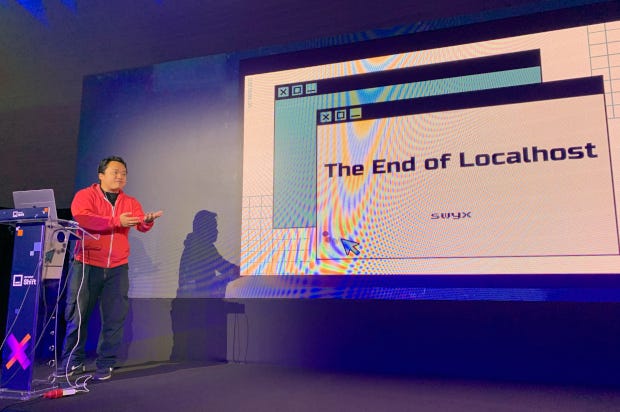
Long before agents became the default way people talk about software development, Ivan was already chasing this idea: development should not depend on a fragile local machine. CodeAnywhere was one of the earliest browser-based IDEs, and an early attempt at that future: moving development environments to the cloud, making setup reproducible, and freeing developers from the endless tax of “works on my machine.”
The bet was right, but the market wasn’t ready yet.
Agents changed everything. They don’t care about your laptop, your desktop setup, or your favorite editor. What they need is a computer they can access through an API: one with enough statefulness to keep working continuously; enough speed to start instantly; enough flexibility to adjust resources; enough isolation to stay secure; and enough composability to run the messy, complex workflows that real software engineering demands.
Daytona sells more than a narrowly defined “sandbox” for code execution. I