Integrating Biological Toolkits to Open New Paths in ALS Research
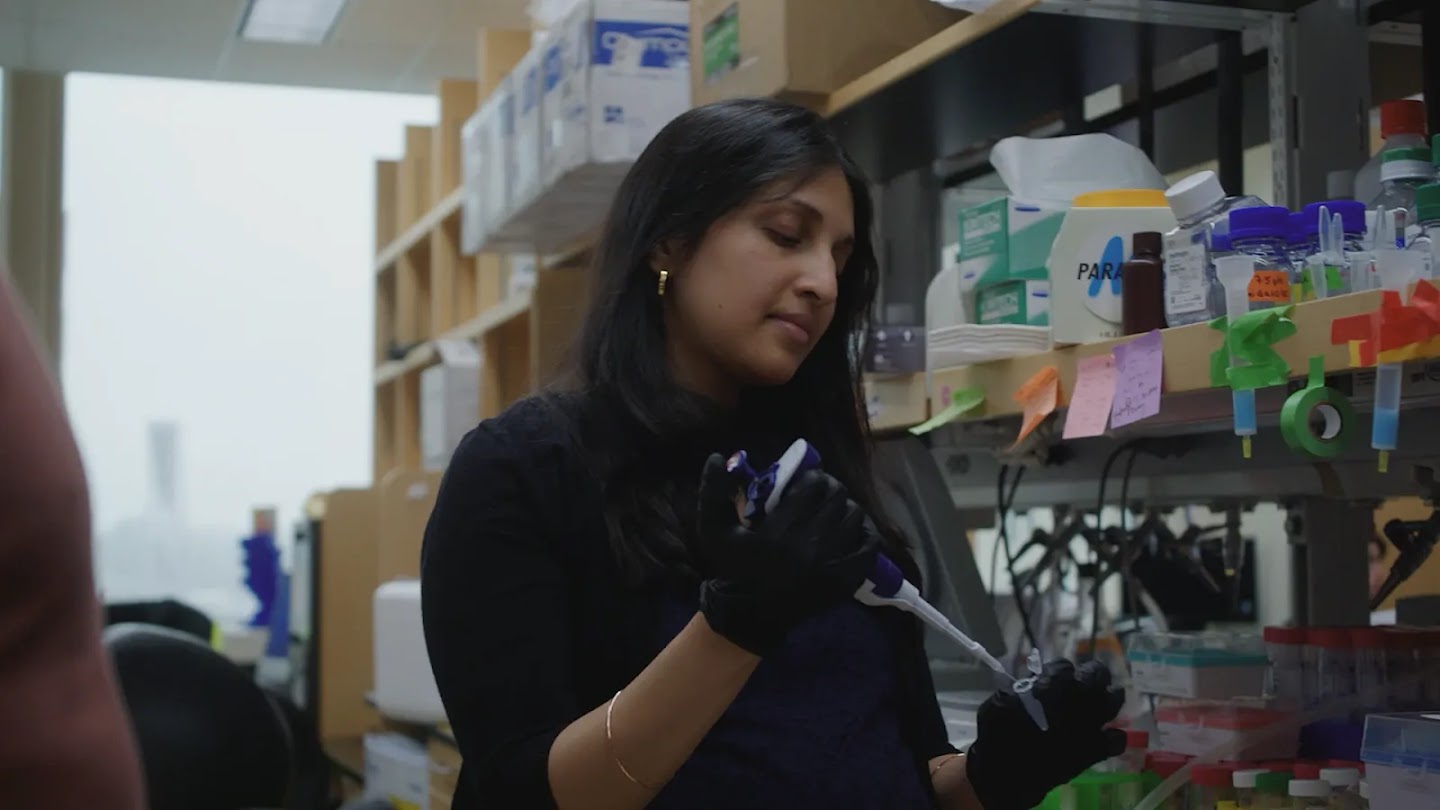
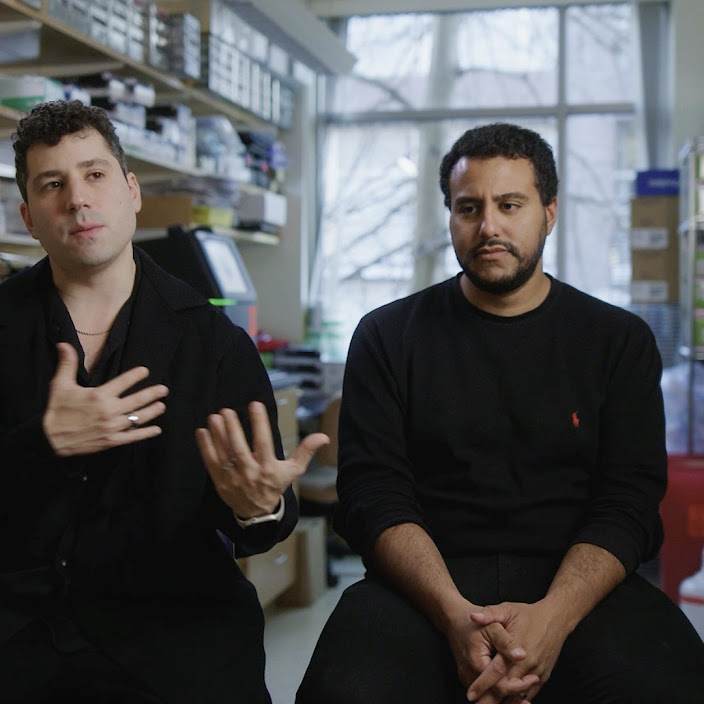
Ritu Raman at MIT and Ryan Flynn at Boston Children’s Hospital study human biology with very different toolkits, but Co-Scientist is bringing their labs together. Raman, a mechanical engineer, builds living nerve and muscle tissues to model diseases that affect voluntary movement. Her husband, Flynn, is a chemical biologist who maps RNA on the cell surface to study how RNA affects cell-to-cell communication and how pathogens invade cells.
When Raman decided to investigate ALS—a topic outside her usual area of study—she was confronted with a sprawling, often contradictory body of literature that would normally take months to make sense of. Co-Scientist compressed that work, quickly helping Raman connect the evidence to her tissue models, turn ideas into testable hypotheses, and rank possible directions based on the trade-offs her lab actually faces, such as feasibility and the potential risk-reward balance.
But Co-Scientist’s most valuable leads came with a caveat: they involved what happens at the cell surface, where much of the cell-to-cell communication is mediated. Raman can manipulate tissues and measure outcomes, but untangling the molecular interactions driving those signals is outside her expertise.
That gap became the catalyst for collaboration. Raman brought the new research directions to Flynn, and the two iterated with Co-Scientist, combining its best ideas into a more creative research path that united their different toolkits. To develop new therapies, they are now looking for new RNA-based mechanisms—and potentially RNA-based drugs—to target ALS.
Slide 1/2
Science is a team sport. Co-Scientist can’t do science on its own, and neither can I. It helps me organize my thoughts and figure out what questions to ask other experts and collaborators.
Associate Professor Ritu Raman
MIT
You take apart Co-Scientist’s top-ranked concepts and then synthesize them into something new. It can help you capture ideas that are sensible and logically sound, tweak them from a few different angles, and turn them into something more creative.
Associate Professor Ryan Flynn
Boston Children’s Hospital
Related Articles
Co-Scientist: A multi-agent AI partner accelerating scientific research
May 2026 Science
Discovering reusable drugs to fight liver fibrosis
May 2026 Science
Accelerating the discovery of liver disease mechanisms
May 2026 Science
Opening new paths in aging research
May 2026 Science
Finding the molecular switches behind emerging infectious diseases
May 2026 Science
Accelerating the reversal of cellular aging through genetic clues
May 2026 Science