Finding the molecular switch behind emerging infectious diseases
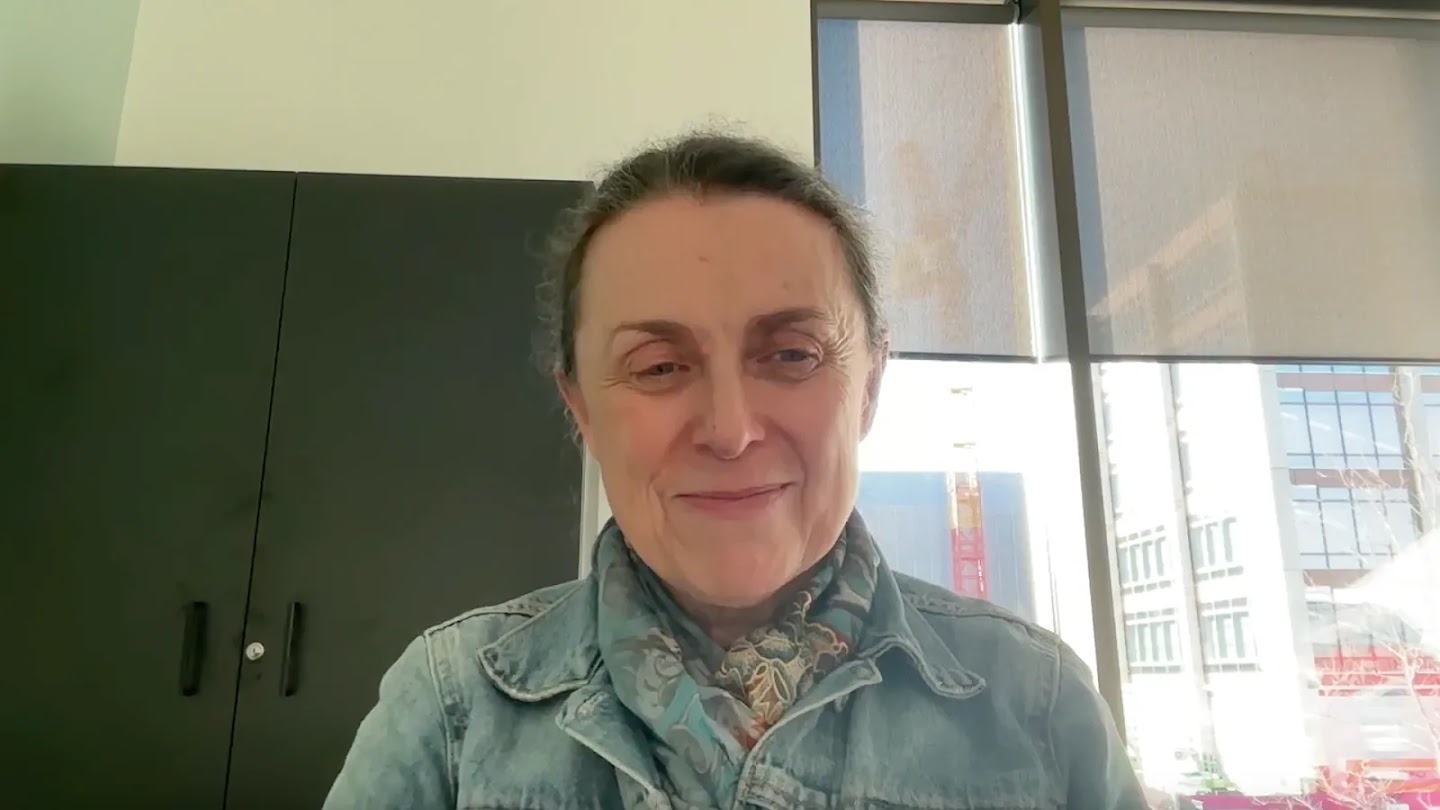
The vast majority of emerging infectious diseases are caused by pathogens jumping from animals to humans, such as Ebola, HIV, influenza, and Covid-19. Professor Clare Bryant of the University of Cambridge is using Co-Scientist to identify the molecular switches that trigger severe diseases such as sepsis in humans when pathogens cross species barriers, and to explore new ways to prevent that from happening.
When testing Co-Scientist, Bryant fed it an abstract from a grant application about her project studying influenza in birds and humans, along with an outline of the research questions her lab was pursuing. The tool generated and ranked a set of promising hypotheses—some she had already considered, and some she had not. The unfamiliar ideas were the most thought-provoking.
After the project was funded, Bryant entered the full detailed proposal. Later, while reviewing the output on a train to Brussels, she had an aha moment: “Aha!” Co-Scientist had prioritized a protein she had not previously noticed, and it was connected to several signaling pathways she was already interested in. She spent the rest of the week eager to gather more data on it.
Back in the lab, she added unpublished material, which remained confidential within Co-Scientist. With each back-and-forth iteration, the hypotheses were refined, narrowing from a candidate protein all the way down to specific amino acids her lab could focus on.
Bryant’s team is now building cell lines with mutations in those amino acids to validate these more precise hypotheses. She says it would normally take two to three years of experimental work to get to the point of identifying exact amino acids; but if the collaboration with Co-Scientist really has pointed them to the right target, her lab could now do it in six months.
Co-Scientist brings together all the published literature and online resources to help me ask better questions. It can capture things I might overlook in a data-rich field and help me prioritize, so my team can focus its energy on answering the right questions in the lab.
Professor Clare Bryant,
University of Cambridge
Related articles
Co-Scientist: A multi-agent AI partner accelerating research
May 2026 Science
Finding repurposable drugs to fight liver fibrosis
May 2026 Science
A unified biotoolkit opens new paths for ALS
May 2026 Science
Accelerating the discovery of liver disease mechanisms
May 2026 Science
Opening new paths for aging research
May 2026 Science
Rapidly advancing genetic clues to reverse cellular aging
May 2026 Science